Air Filter Selection for Harsh Environments: A Guide

In various industrial sectors, the need for effective air filtration in harsh environments is paramount. Selecting the right air filter can significantly impact operational efficiency, equipment life, and overall air quality. This article aims to provide insights into the selection process for air filters designed to withstand demanding conditions.
Understanding Harsh Environments
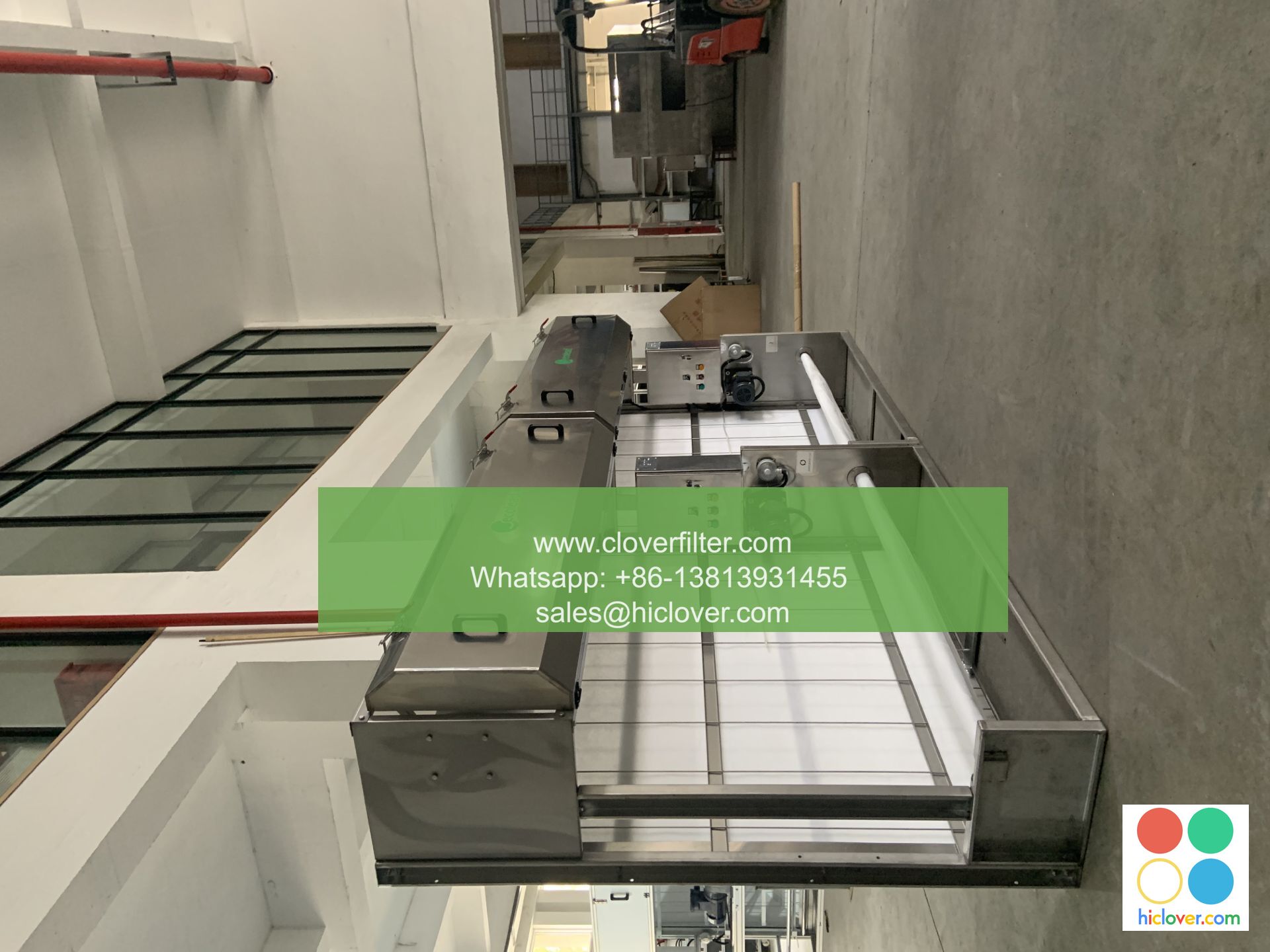
Harsh environments can be categorized by extreme temperatures, high humidity, excessive dust, corrosive chemicals, or high levels of particulate matter. Key industries that often face these challenges include:
- Manufacturing
- Agriculture
- Mining
- Power Generation
- Oil and Gas

Key Factors in Air Filter Selection
1. Environmental Conditions
Consider the specific conditions of your operational environment. Factors such as temperature extremes, humidity levels, and the presence of corrosive substances can dictate the appropriate filter material and design.
2. Type of Contaminants
Identify the types of contaminants present in the air. Common pollutants include:
- Dust and particulate matter
- Biological agents (e.g., mold spores, pollen)
- Chemicals (e.g., VOCs, acidic gases)
3. Filter Efficiency
Filter efficiency is essential to ensure quality air. Look for filters that meet or exceed industry standards such as MERV (Minimum Efficiency Reporting Value) ratings for particulates and HEPA (High-Efficiency Particulate Air) filters for fine particulates.
4. Filter Lifespan and Maintenance
Consider the lifespan of the filter in relation to maintenance schedules. Filters that require frequent replacement can lead to increased operational costs.
Types of Air Filters for Harsh Environments
1. Electrostatic Filters
These filters use electrical charges to attract particles. They are effective in environments with high levels of dust and can be cleaned and reused, making them cost-effective.
2. HEPA Filters
Efficient in removing 99.97% of particles 0.3 microns in size, HEPA filters are ideal for sensitive environments such as laboratories and hospitals.
3. Activated Carbon Filters
These filters excel at removing odors and chemical contaminants due to their large surface area. They are perfect for applications involving petrochemicals or industrial solvents.
4. Pleated Filters
With a larger surface area, pleated filters can capture more particles and extend the time between replacements. They suit environments with high particulate loads.
Applications of Air Filters in Harsh Environments
Air filters are utilized in various applications across different sectors:
- Industrial Plants: Airborne particles and VOCs are common, necessitating high-efficiency filtration.
- Construction Sites: High dust levels require robust filters to protect both workers and machinery.
- Food Processing: Maintaining air quality is crucial to meet health standards and prevent contamination.
- Data Centers: Protecting sensitive electronic equipment from dust and particulates is essential for optimal operation.
Conclusion
Choosing the right air filter for harsh environments requires careful consideration of environmental conditions, the type of contaminants, filter efficiency, and maintenance needs. By understanding these factors and selecting the appropriate filter type, industries can ensure optimal air quality, protect equipment, and enhance productivity. This guide serves as a starting point for making informed air filter selections tailored to specific applications in harsh environments.
It seems like you might want to provide a prompt for me to respond to. Please share the topic or question you’d like me to address!
