Assessing the Long-Term Performance of Automatic Roll Air Filters in Research Labs
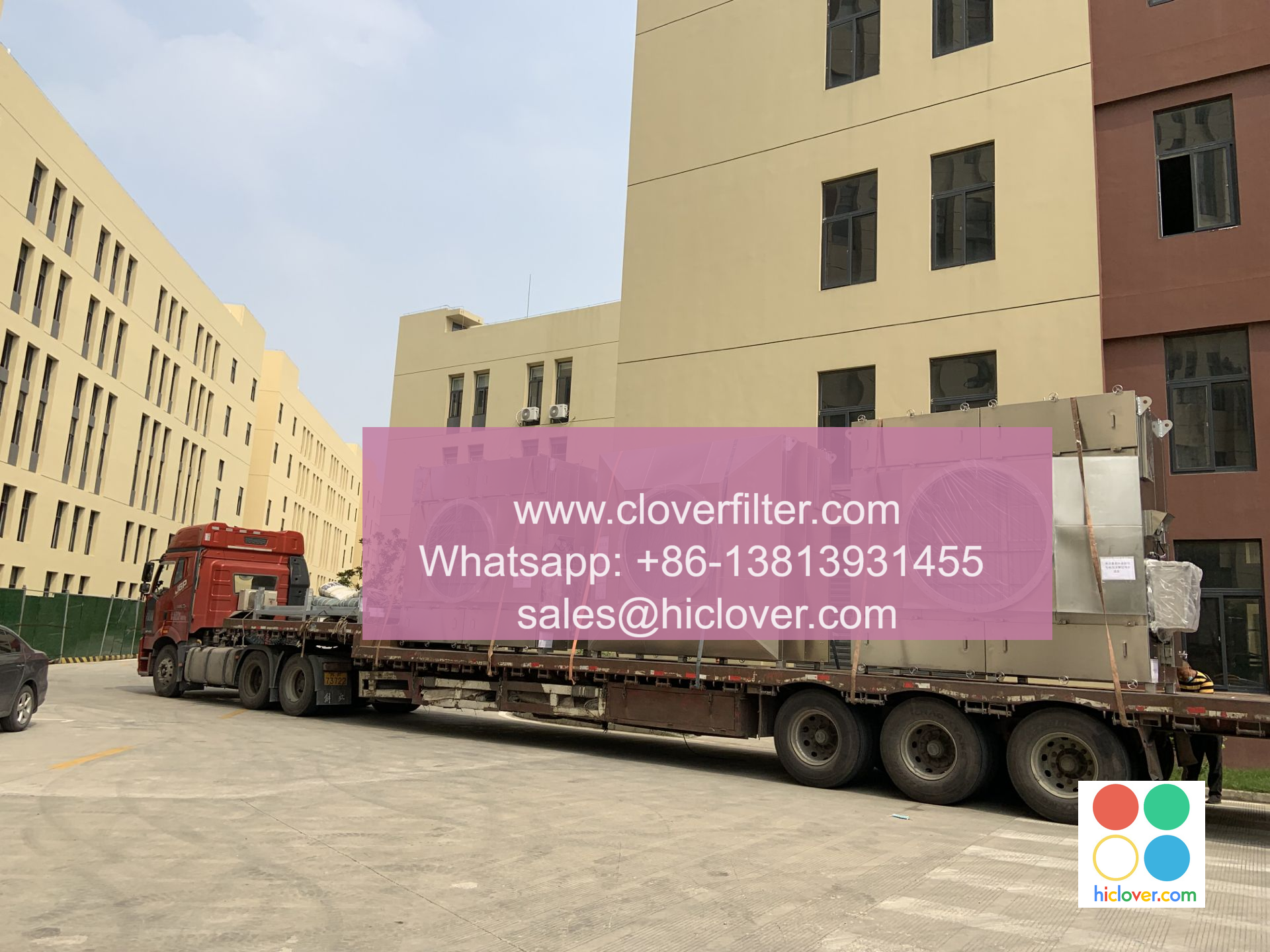
In the modern landscape of research laboratories, the demand for efficient air quality management is paramount. Automatic roll air filters have emerged as pivotal components in maintaining optimal work environments across various scientific fields. This article delves into the long-term performance of these systems, highlighting their benefits and applications within research labs.
Understanding Automatic Roll Air Filters

Automatic roll air filters are advanced filtration systems designed to regulate air quality by removing harmful particles, allergens, and pollutants. These filters continuously roll through a filtration mechanism, ensuring a constant supply of clean air while minimizing downtime for maintenance. The efficiency of these systems significantly impacts laboratory environments, playing a critical role in areas such as:
- Chemical Research
- Biological Studies
- Pharmaceutical Development
- Nanotechnology Applications
Key Performance Indicators for Assessment

Evaluating the long-term performance of automatic roll air filters involves several key performance indicators (KPIs), including:
1. Filtration Efficiency
One of the primary metrics is the filtration efficiency, which measures the ability of air filters to capture airborne particles. Research institutions require filters with a high Particle Filtration Efficiency (PFE) percentage, ideally above 99.9%, to ensure that contaminants do not influence experimental results.
2. Maintenance Frequency
Long-term performance is also determined by the maintenance frequency of the filtering system. Automatic roll air filters reduce the need for frequent manual changes by utilizing continuous filtration, which lowers maintenance costs and minimizes interruptions in research activities.
3. Airflow Dynamics
The airflow dynamics of automatic roll filters are crucial to maintaining ideal conditions in research labs. An optimal balance between airflow and filtration speed is essential to avoid creating dead zones or disrupting ongoing experiments.
4. Filter Lifespan
Assessing the operational lifespan of air filters is vital. Most manufacturers provide estimates based on typical usage, but real-world data analysis can provide insights into expected longevity, facilitating proactive replacement schedules to maintain optimal filtration performance.
Benefits of Automatic Roll Air Filters in Research Labs
The integration of automatic roll air filters in research labs offers several advantages:
Enhanced Air Quality
High-efficiency filters improve air quality within the lab, reducing the risk of contamination in sensitive experiments and protecting researchers from inhaling hazardous particles.
Reduced Operational Costs
By minimizing maintenance needs and prolonging the lifespan of the filters, research labs can significantly reduce operational costs associated with air quality management.
Sustainability
Many modern automatic roll air filters are designed with sustainability in mind, using recyclable materials and less energy than traditional filters, thereby supporting research institutions’ environmental initiatives.
Customization
With the varying needs of different research fields, automatic roll air filters can be customized to accommodate specific air quality requirements, featuring specialized filtration for volatile organic compounds (VOCs) or biological contaminants.
Challenges and Considerations
Despite their advantages, there are challenges associated with automatic roll air filters that require careful consideration:
Initial Investment Costs
While long-term savings are evident, the initial investment in automatic roll air filter systems may be higher compared to traditional filters. Budget constraints in research institutions can be a significant barrier to widespread adoption.
Technological Complexity
The technology involved in automatic roll filters may require staff training to ensure proper operation and maintenance. Institutions must factor in training costs and time when implementing these systems.
Monitoring and Compliance
Ongoing monitoring of filter performance is necessary to ensure compliance with safety and regulatory standards. Research labs must invest in monitoring technologies and maintenance protocols to keep operations in check.
Conclusion
The long-term performance of automatic roll air filters in research labs is a critical area of assessment that encompasses efficiency, maintenance, and cost-effectiveness. As research environments become increasingly complex, the utility of these systems across various fields—ranging from chemical research to nanotechnology—highlights their essential role in achieving and maintaining superior air quality. Research institutions must weigh the benefits against the challenges involved, paving the way for informed investment in air quality solutions that safeguard scientific integrity and research outcomes.
By continuing to assess and adapt filtration systems to meet the evolving demands of research labs, institutions can ensure a healthier and more productive working environment for scientists and researchers alike.
