Enhancing Tunnel Air Quality: The Role of Automatic Roll Filtration
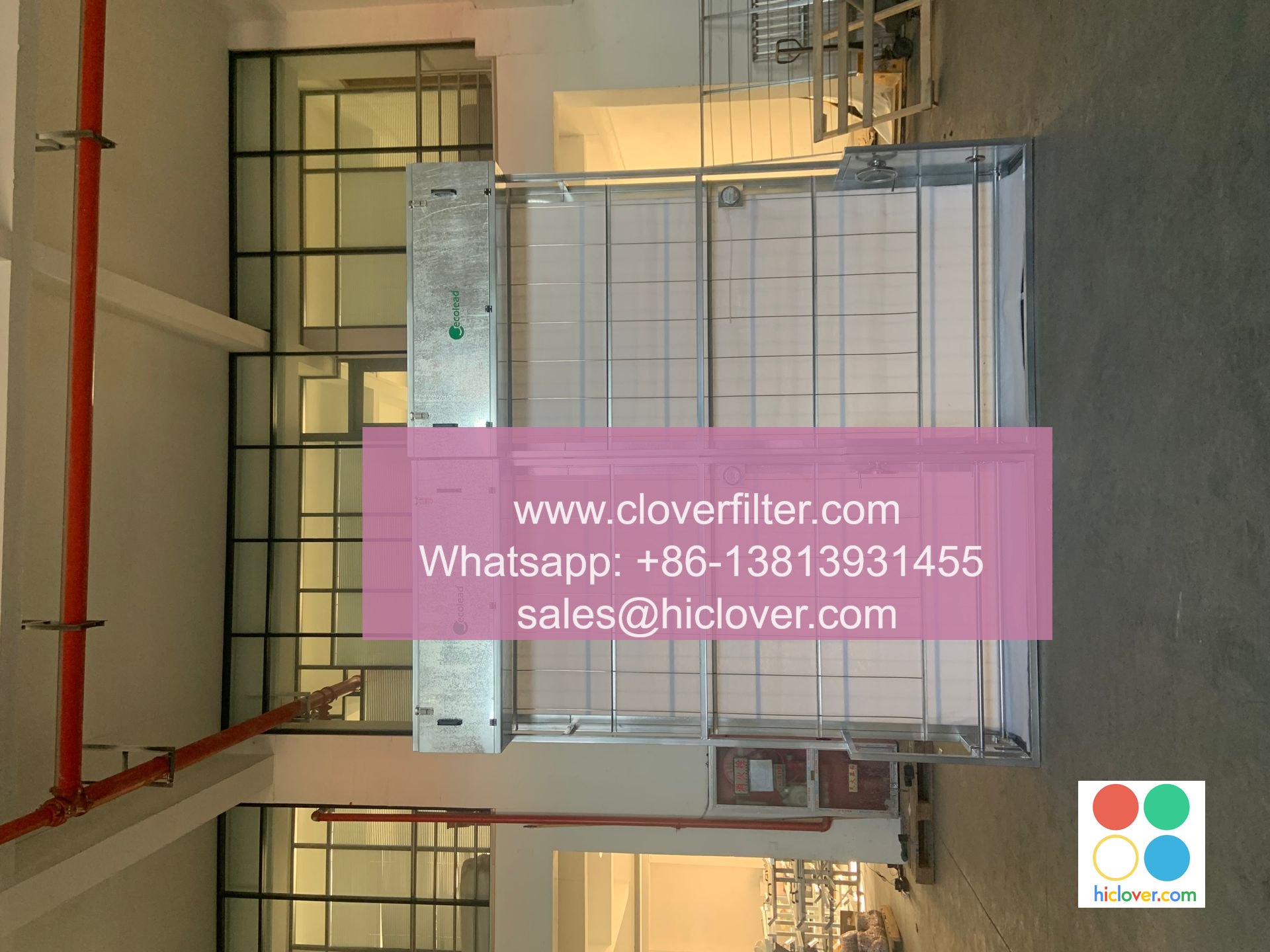
Tunnels are essential infrastructures that facilitate transportation, yet they often harbor significant air quality challenges. With the increase in vehicular traffic, pollutants can accumulate, leading to poor air quality that poses health risks to drivers and workers. To combat this issue, innovative technologies such as automatic roll filtration systems have emerged, playing a crucial role in enhancing tunnel air quality. This article explores the importance of these systems and their applications across various tunnel environments.
Understanding Automatic Roll Filtration

Automatic roll filtration systems are advanced air purification solutions designed to capture and filter particulate matter, gases, and other pollutants from the air within tunnels. These systems utilize a set of filter rolls that automatically replace or clean themselves, ensuring continuous operation without significant downtime. This innovation not only improves air quality but also reduces maintenance costs associated with manual filtration systems.
How It Works
The operation of automatic roll filtration systems typically involves:
- Air Intake: Polluted air from the tunnel is drawn into the filtration system through strategically positioned air intakes.
- Filtration Process: As air passes through the filter rolls, particulate matter and harmful gases are captured, resulting in cleaner air being discharged back into the tunnel.
- Automatic Maintenance: Advanced sensors monitor filter conditions, automatically replacing or cleaning filters as needed, ensuring optimal performance at all times.
Benefits of Automatic Roll Filtration
Enhanced Air Quality
The primary benefit of implementing automatic roll filtration systems in tunnels is the significant improvement in air quality. By continuously filtering out harmful pollutants, these systems ensure a safer environment for both drivers and maintenance personnel.
Health and Safety
With better air quality, the risk of respiratory issues and other health problems is greatly reduced. This is particularly critical in urban tunnels, where high traffic volumes can exacerbate pollution levels. Improved air quality contributes to safer travel and a healthier working environment.
Cost Efficiency
While the initial investment in automatic roll filtration systems might seem substantial, the long-term savings in maintenance and operational costs are considerable. The automatic feature reduces the need for manual intervention, thereby lowering labor costs and minimizing system downtime.
Application Areas of Automatic Roll Filtration
Urban Tunnels
In densely populated cities, urban tunnels are often the site of heavy traffic congestion. The use of automatic roll filtration in these tunnels significantly mitigates the buildup of harmful pollutants from vehicle emissions. Cities such as London and New York have integrated this technology to maintain cleaner air standards.
Highway Tunnels
Highway tunnels handle a large volume of long-distance traffic, leading to elevated levels of nitrogen oxides and particulate matter. Automatic roll filtration systems help in reducing these emissions, supporting environmental regulations and enhancing driver comfort.
Rail and Metro Tunnels
Rail and metro systems, often situated underground, can suffer from poor air quality due to train emissions and passenger activity. Implementing automatic roll filtration in these tunnels improves air circulation and ensures a pleasant travel experience for commuters.
Construction and Maintenance Tunnels
During construction and maintenance work, tunnels can become points of heightened pollution from dust and machinery emissions. Automatic roll filtration systems not only protect workers’ health but also maintain compliance with air quality regulations in construction zones.
Conclusion
The integration of automatic roll filtration systems in tunnels represents a significant advancement in managing air quality. Through continuous filtration, these systems not only enhance safety and comfort for drivers and passengers but also contribute to broader environmental goals. As urbanization continues to increase, adopting such technologies will be vital in creating healthier and more sustainable transportation infrastructures.
As we look to the future, it is essential for policymakers, engineers, and urban planners to consider automatic roll filtration systems as a standard component in tunnel design and operation. By prioritizing air quality, we can ensure safer journeys and improve public health across our cities.
It looks like you entered the word “Prompt.” Could you please provide more details or specify what you need help with? Whether it’s writing prompts, prompts for conversations, or something else entirely, I’m here to assist you!
