The Importance of Air Filter Platforms in Reducing Carbon Monoxide Poisoning
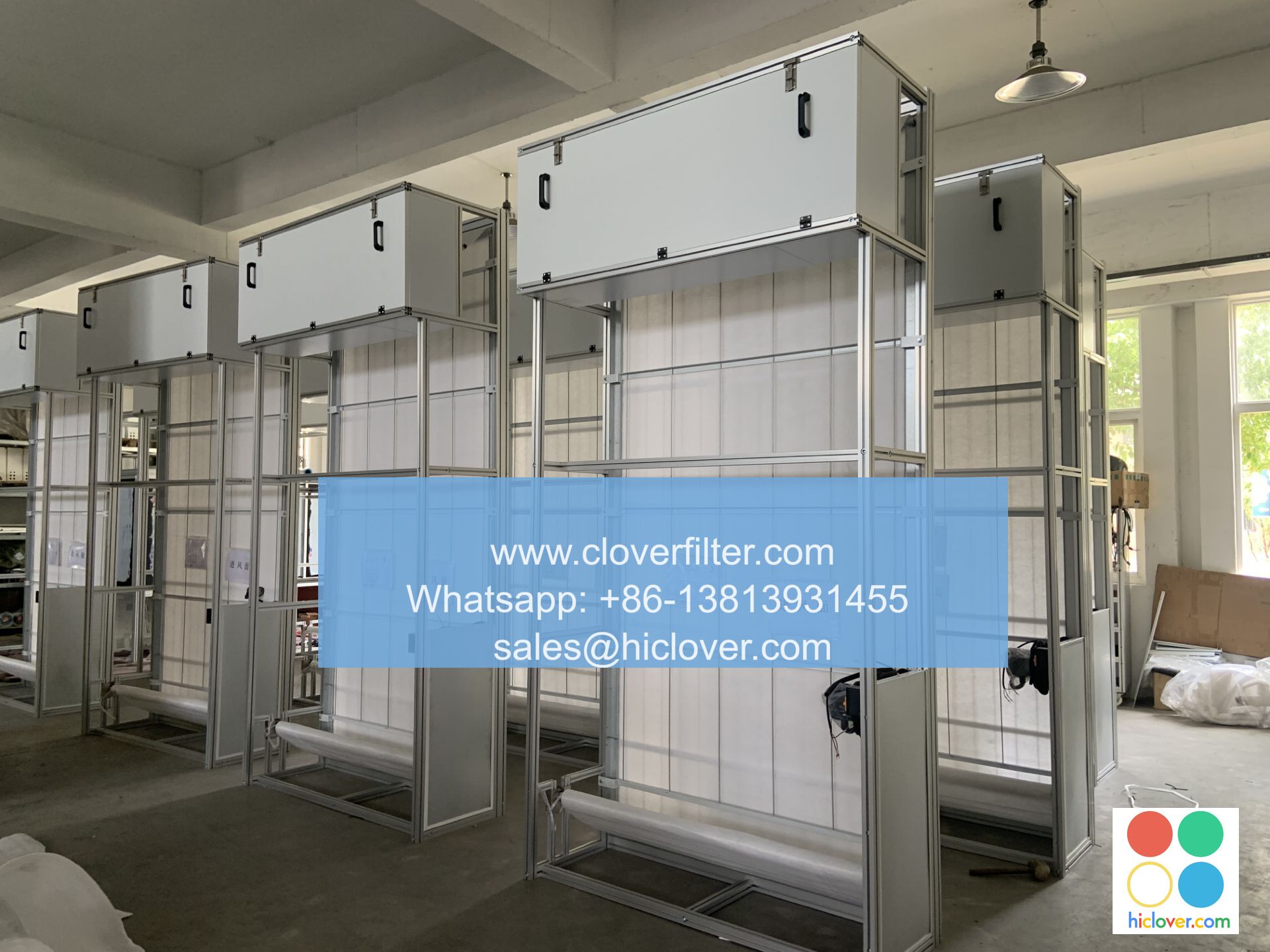
In recent years, the focus on air quality has gained significant attention, particularly concerning indoor environments where pollutants like carbon monoxide (CO) can pose serious health risks. Air filter platforms play a crucial role in mitigating the presence of carbon monoxide and enhancing overall air quality. This article explores how these systems function and their various applications in reducing carbon monoxide poisoning.
Understanding Carbon Monoxide Poisoning

Carbon monoxide is an odorless, colorless gas that can cause severe health issues, including headaches, dizziness, and even death in high concentrations. It is produced from the incomplete combustion of fuels such as gas, oil, coal, or wood. Common sources include poorly maintained heating systems, motor vehicles, and cooking appliances. The risks are particularly high in enclosed spaces, making the implementation of effective air filtration systems crucial.
How Air Filter Platforms Work
Air filter platforms are designed to trap and remove airborne pollutants, including particulate matter and gases such as carbon monoxide. By using activated carbon filters, these systems absorb CO molecules, significantly reducing their concentration in the air. HEPA (High-Efficiency Particulate Air) filters can also be employed to enhance filtration efficiency, capturing tiny particles that may contribute to air quality concerns.
Key Application Areas
Residential Settings
In homes, air filter platforms can be integrated with HVAC (heating, ventilation, and air conditioning) systems to continuously monitor and purify the air. This ensures a safe living environment, particularly for vulnerable populations including children, the elderly, and those with pre-existing health conditions.

Commercial and Industrial Spaces
In commercial buildings and industrial applications, air filter platforms are vital in maintaining a healthy workspace. They not only reduce risks associated with carbon monoxide exposure but also foster a productive environment for employees. Industries such as manufacturing, food processing, and transportation frequently use these systems to comply with occupational health and safety regulations.
Automotive Applications
Air filtration is also essential in the automotive sector, where carbon monoxide can infiltrate the cabin of vehicles, especially when idling in traffic or enclosed parking spaces. Advanced filtration systems in modern cars help to ensure the safety of passengers by reducing exposure to this harmful gas.
Healthcare Settings
The healthcare industry is another critical area where air filter platforms are indispensable. Hospitals and clinics deploy advanced air filtration systems to protect patients, especially those in recovery or suffering from respiratory issues. Maintaining high air quality standards is essential for promoting healing and preventing hospital-acquired infections.
Benefits of Implementing Air Filter Platforms
The benefits of incorporating air filter platforms extend beyond just reducing carbon monoxide levels. They contribute to overall health and well-being by:
- Improving indoor air quality
- Reducing allergens and asthma triggers
- Enhancing comfort and productivity in workplaces
- Promoting better sleep quality in residential environments
Conclusion
As the threats posed by carbon monoxide poisoning become increasingly recognized, the importance of air filter platforms cannot be overstated. By effectively trapping harmful gases and pollutants, these systems play a pivotal role in creating safer, healthier environments across various application areas. Investing in and maintaining high-quality air filtration systems is a proactive measure that can save lives and improve quality of life.
It looks like you entered “Prompt.” Could you please provide more details or clarify what you would like assistance with? Whether you need help with writing, brainstorming ideas, or answering a specific question, I’m here to help!
