The Impact of Air Filter Alliances on the Environment

In recent years, the growth of air filter alliances has gained significant attention as a crucial factor in improving air quality and reducing environmental impact. These alliances bring together manufacturers, researchers, and environmental organizations to collaborate on innovative solutions for air filtration. This article explores the various application areas of air filter technology and its positive effects on the environment.
What are Air Filter Alliances?
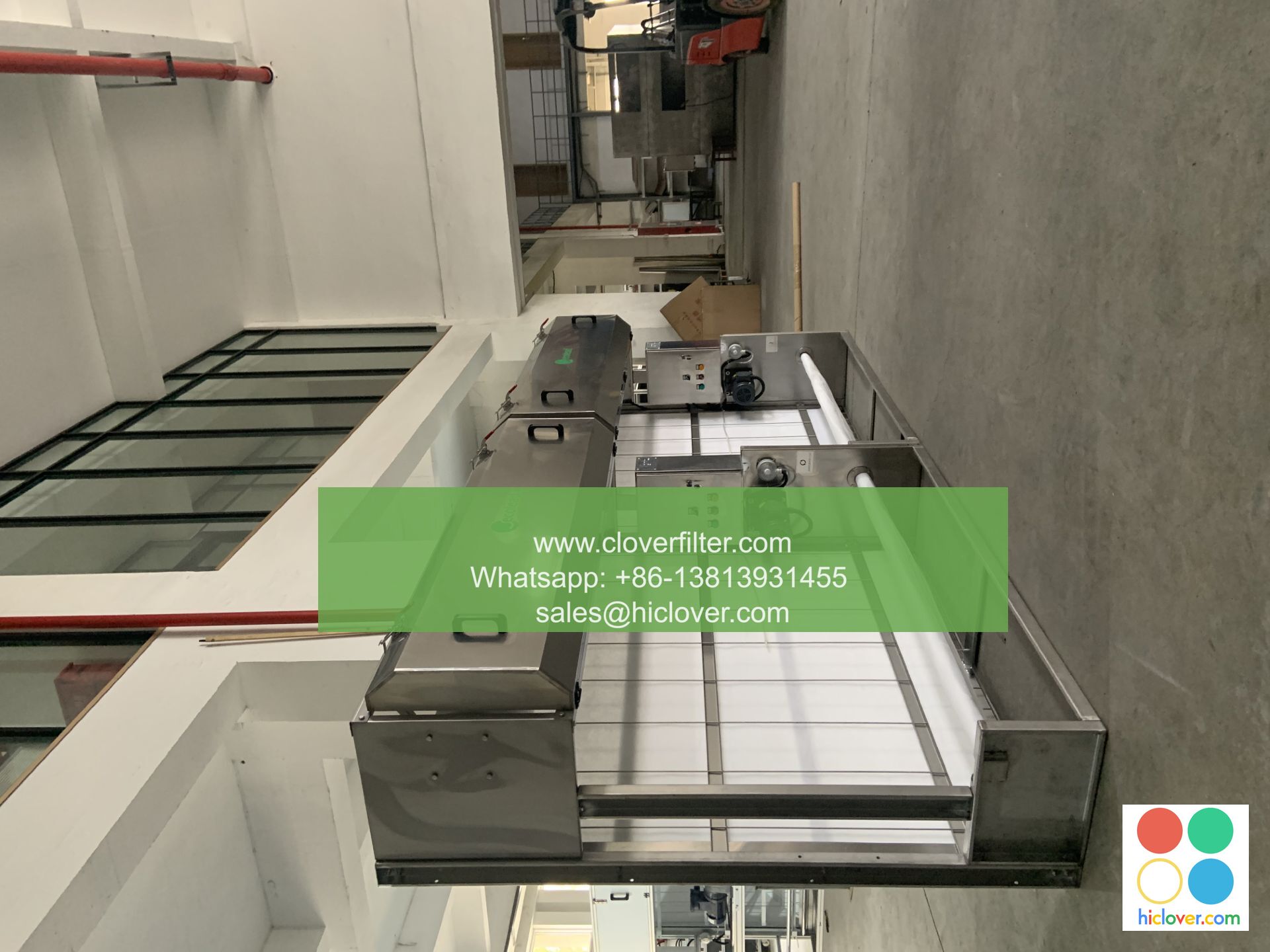
Air filter alliances are collaborative groups focused on developing advanced air filtration technologies. These partnerships combine expertise from different sectors, including industrial, residential, and automotive applications, to create efficient air purification systems. By sharing knowledge and resources, members of these alliances aim to enhance the effectiveness of air filters, reduce energy consumption, and minimize ecological footprints.
Environmental Benefits of Air Filter Alliances
The impact of air filter alliances on the environment is profound. Here are some of the key benefits:
1. Reduction of Airborne Pollutants
Air filter alliances contribute to the development of advanced filtration systems that are capable of capturing a wide range of airborne pollutants, including particulate matter, volatile organic compounds (VOCs), and allergens. By improving air quality in urban areas, these technologies help protect ecosystems and enhance public health.

2. Improved Energy Efficiency
Many air filter alliances focus on creating filters that require less energy to operate. This energy efficiency translates to lower carbon emissions and reduced reliance on fossil fuels. By optimizing the performance of air filtration systems, these alliances play a critical role in the fight against climate change.
3. Promotion of Sustainable Practices
Members of air filter alliances often promote sustainable materials and manufacturing processes. This shift towards environmentally-friendly production not only reduces waste but also encourages circular economy practices, where products are designed with their entire lifecycle in mind, from production to disposal.
Application Areas of Air Filter Technologies
Air filter technologies have a wide array of applications, making their development through alliances even more beneficial. Key application areas include:
1. Residential Filtration
Home air purifiers and HVAC systems greatly benefit from advanced filtration technologies that remove allergens and pollutants, leading to healthier indoor environments.
2. Industrial Filtration
Industries often face stringent regulations on air emissions. Collaborations within air filter alliances help optimize industrial filtration systems, ensuring compliance while minimizing environmental impact.
3. Automotive Applications
Air filters play a critical role in vehicle emissions control systems. By advancing automotive air filtration through alliances, manufacturers can significantly reduce harmful emissions from vehicles, contributing to cleaner air in cities.
4. Commercial Spaces
In commercial settings such as offices, schools, and hospitals, the quality of indoor air is paramount. Air filter alliances work on improving air filtration solutions that enhance the health and productivity of occupants.
Conclusion
As the world grapples with increasing air pollution and its effects on health and the environment, the role of air filter alliances becomes ever more vital. Through collaboration and innovation, these alliances are leading the charge towards cleaner air and sustainable practices. By investing in air filtration technology, we can create healthier environments for future generations.
It seems like your message is incomplete. Could you please provide more details or clarify what you would like assistance with? Whether it’s a question, a topic for discussion, or something else, I’m here to help!
