The Role of Automatic Roll Air Filters in Preventing Overheating in Electronics Packaging
Introduction
As electronic devices become more compact and powerful, heat dissipation has become a growing concern for manufacturers and designers. Overheating can lead to reduced efficiency, shortened lifespan, and even catastrophic failures. To counteract these issues, effective cooling solutions are essential. One emerging technology making significant strides in this field is the Automatic Roll Air Filter, which plays a pivotal role in maintaining optimal operating temperatures in electronics packaging.

Understanding Overheating in Electronics
Overheating in electronic devices occurs when the heat generated by components, such as processors and power supplies, exceeds the device’s ability to dissipate this heat. Factors contributing to overheating include insufficient airflow, inadequate thermal management systems, and increased power loads. Over time, excess heat can degrade materials and lead to malfunctions and failures.
What are Automatic Roll Air Filters?
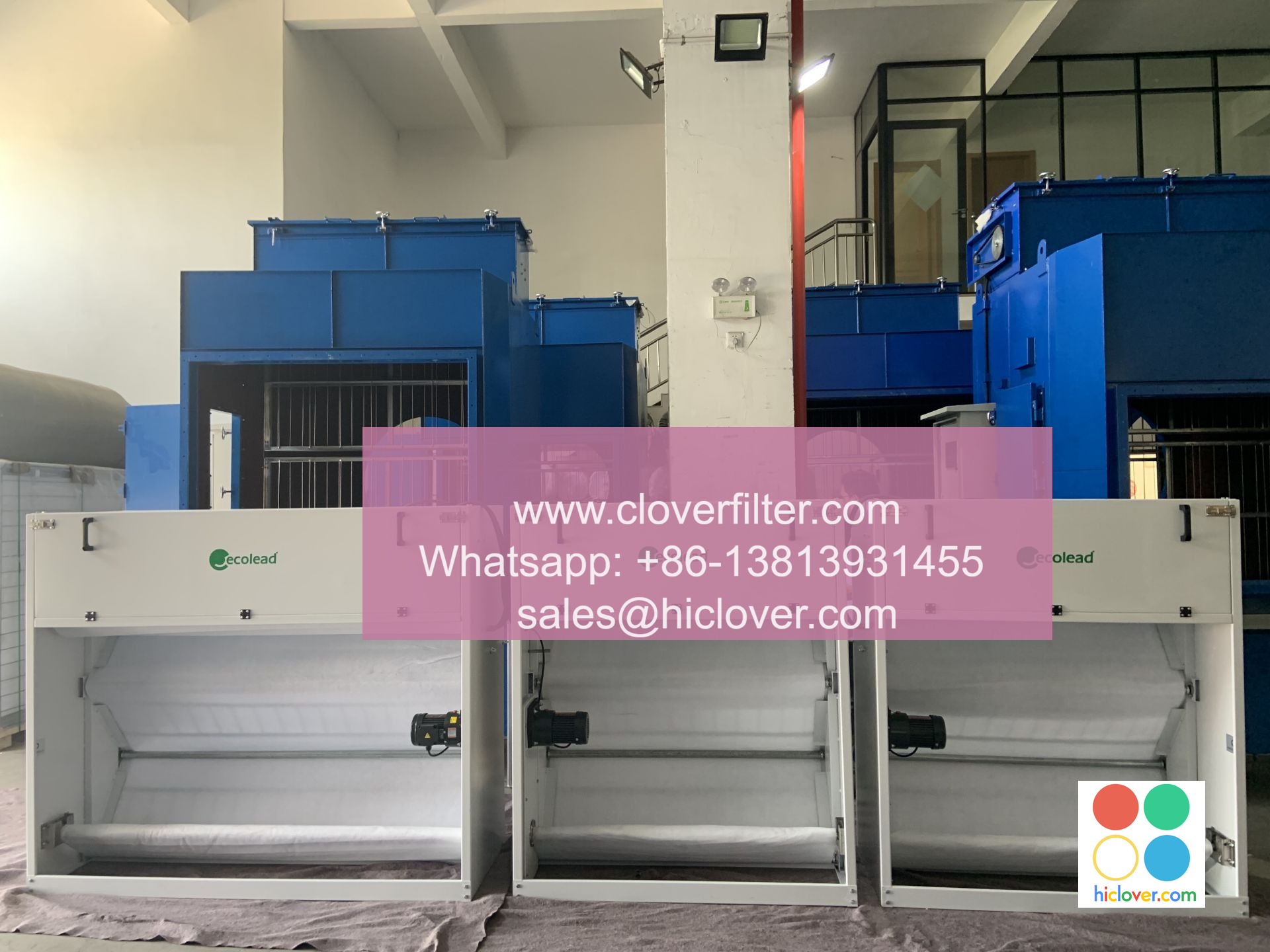
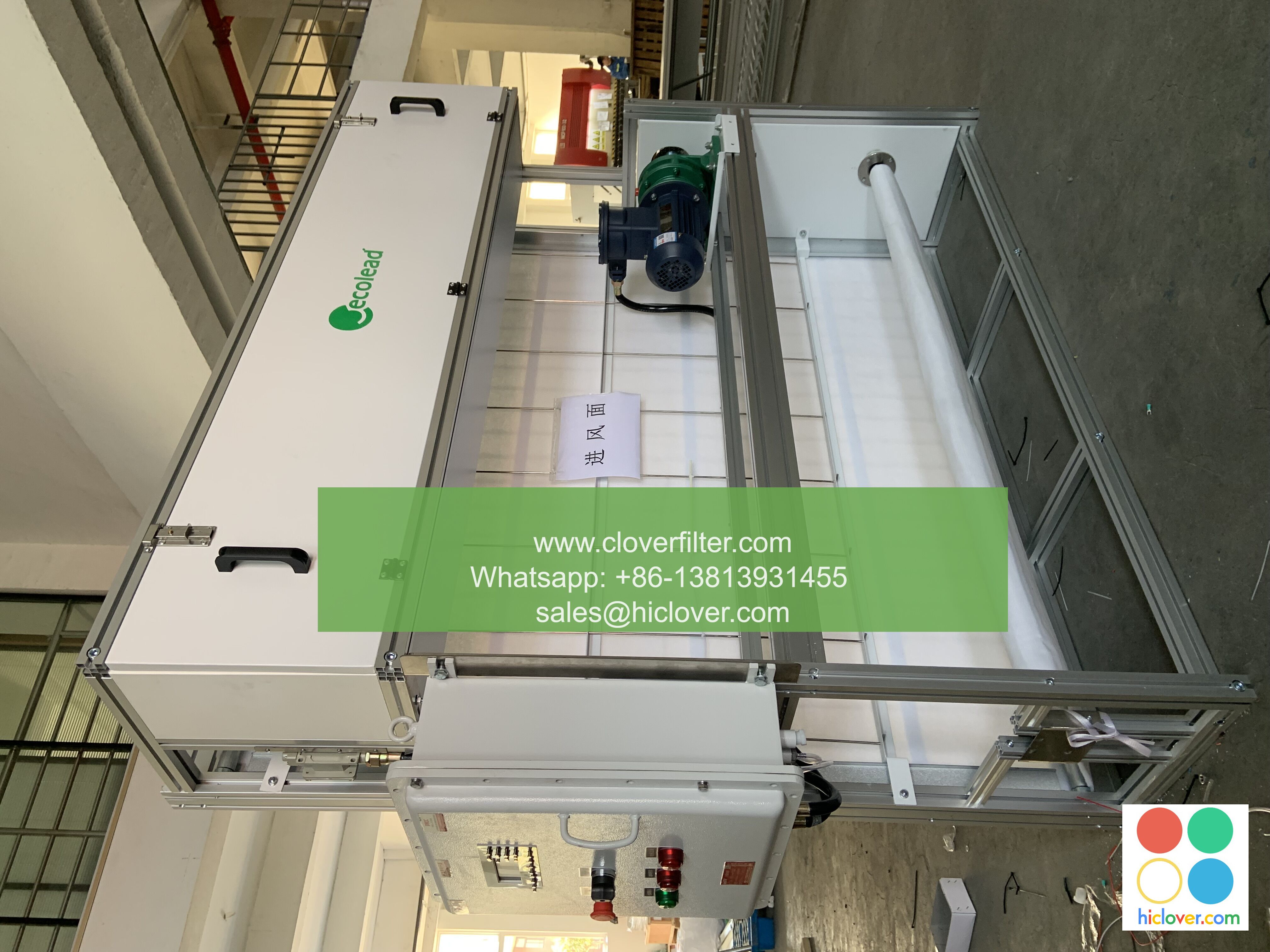
Automatic Roll Air Filters are innovative filtration systems designed to maintain cleanliness in the air surrounding electronic devices. These filters are typically made of high-efficiency particulate air (HEPA) material that captures dust, dirt, and other contaminants from the air before it enters the equipment. The “automatic” feature refers to the filter’s capability to self-clean or roll out a new section of filtration material as the existing section becomes clogged, ensuring sustained air flow and filter effectiveness over time.
How Automatic Roll Air Filters Prevent Overheating
Efficient airflow is critical for cooling electronic components. Automatic Roll Air Filters facilitate this airflow by ensuring that the intake air is clean and unobstructed. When air filters become clogged, airflow is restricted, leading to elevated temperatures within the electronics package. The role of these filters is twofold:
- Improving Airflow: By removing particulates, these filters prevent any blockage, allowing uninterrupted airflow across critical components, which helps maintain optimal thermal levels.
- Enhancing Cooling Efficiency: Clean air contributes to the efficacy of cooling systems—including fans and heat sinks—thereby improving overall heat dissipation.
Benefits of Using Automatic Roll Air Filters
There are several advantages associated with the implementation of Automatic Roll Air Filters in electronics packaging:
- Extended Equipment Lifespan: By preventing overheating, these filters contribute to longer component lifespans and reduced maintenance costs.
- Consistency of Performance: Regular airflow ensures that devices operate at peak efficiency, reducing the risk of thermal throttling that can hinder performance.
- Lower Risk of Failures: Maintaining proper temperatures significantly decreases the likelihood of sudden failures, which can be costly and detrimental to businesses.
Conclusion
In conclusion, Automatic Roll Air Filters are an essential component in the effective thermal management of electronics packaging. By ensuring clean and adequate airflow, these filters play a pivotal role in preventing overheating, thereby enhancing the reliability and longevity of electronic devices. As the demand for smaller and more powerful electronics continues to grow, the adoption of such advanced cooling technologies will be crucial in addressing the associated thermal challenges.
FAQs
1. How often do Automatic Roll Air Filters need to be replaced?
Typically, these filters require replacement depending on usage and environmental conditions. The self-cleaning feature extends their lifespan, but routine checks are advisable.
2. Can Automatic Roll Air Filters be used in all types of electronics?
Yes, they can be integrated into a wide range of electronic devices, especially those sensitive to temperature fluctuations such as computers, servers, and industrial machinery.
3. Are there any maintenance requirements for these filters?
While they reduce the need for frequent manual cleaning, periodic inspections are necessary to ensure the filter system is working efficiently and to replace any worn components.
