Air Filter Design for Use in Industrial Vacuum Cleaners
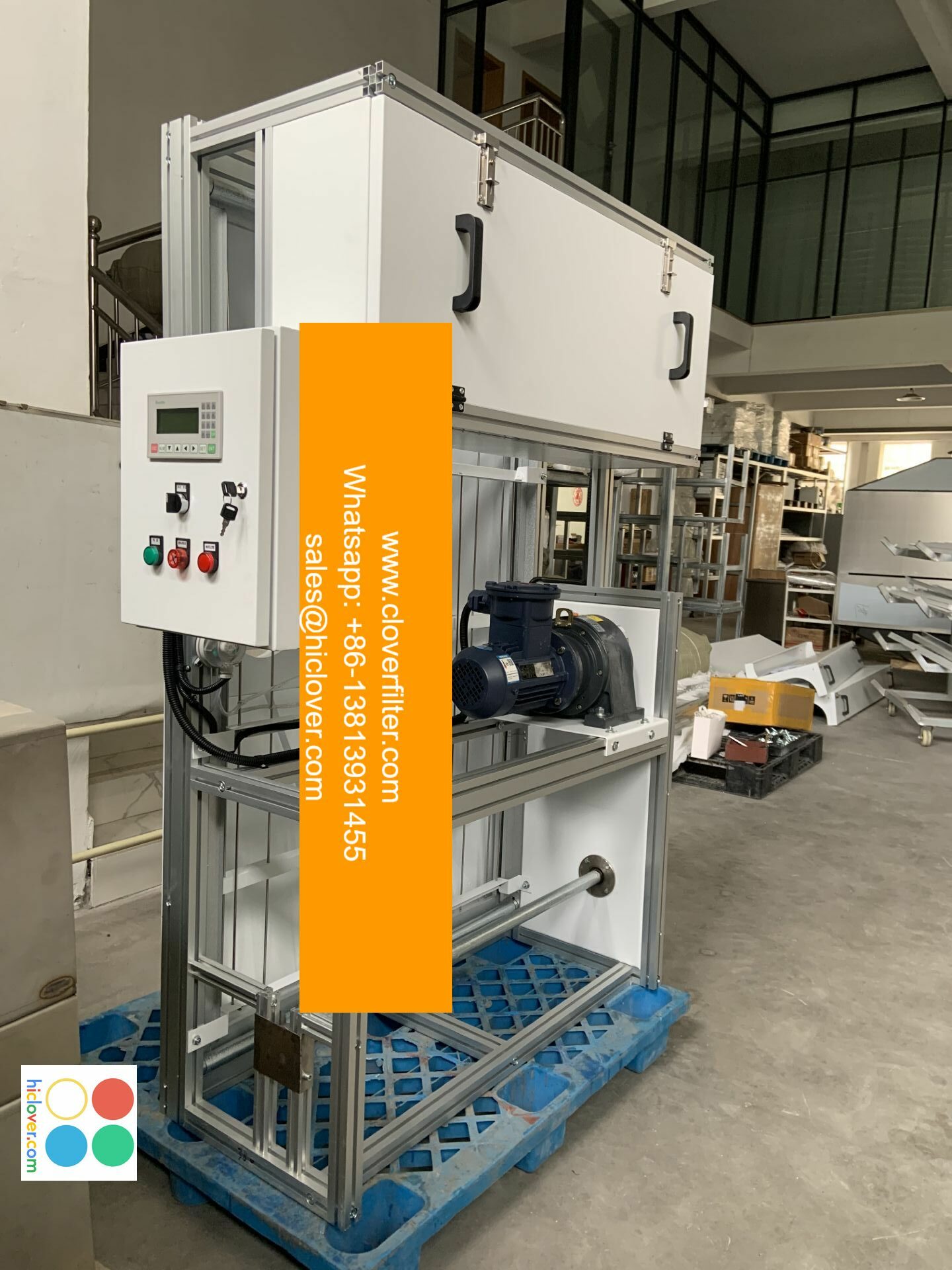
In today’s industry, maintaining a clean and safe environment is critical for operational efficiency and worker safety. One of the essential components in achieving this goal is the air filter design used in industrial vacuum cleaners. An effective filter not only captures dust and debris but also ensures the longevity of vacuum systems while safeguarding the health of employees.
Understanding Industrial Vacuum Cleaner Filters

Types of Air Filters
The design of air filters in industrial vacuum cleaners can vary widely based on specific application needs. Here are some common types:
-
HEPA Filters: These filters capture up to 99.97% of particles as small as 0.3 microns, making them ideal for environments dealing with fine dust or allergens. They’re often used in medical and pharmaceutical manufacturing.
-
Cartridge Filters: Common in various industrial applications, these filters offer high dirt-holding capacity and can be cleaned and reused, thereby reducing waste.
-
Bag Filters: Often employed for larger particulates, these filters are cost-effective and easy to replace, making them popular in construction sites and woodworking facilities.
Filter Media Materials
The choice of filter media material significantly impacts the filter’s performance, durability, and maintenance. Here are some widely used materials:
-
Polyester: Known for its excellent balance of filtration efficiency and airflow, polyester filters are commonly used in paint booths or metalworking shops.
-
Fiberglass: Often used in heavy-duty applications due to its robustness and ability to capture larger particles, fiberglass filters are suitable for industries such as automotive repair.
-
Activated Carbon: Mostly applied in areas where odors and fumes are a concern, activated carbon filters are essential in chemical processing plants.
Key Considerations in Air Filter Design
Filtration Efficiency
The primary purpose of any air filter is to effectively capture contaminants. Therefore, the design must prioritize filtration efficiency. For applications in food production or healthcare, higher efficiency standards, such as those outlined by ASHRAE or HEPA specifications, may be required.
Airflow Resistance
Another critical aspect of air filter design is minimizing airflow resistance. While high-efficiency filters tend to have greater resistance, designers must balance filtration efficiency with airflow performance to ensure the vacuum cleaner operates efficiently without unnecessary strain on the motor.
Durability and Longevity
Industrial environments often present harsh conditions that can shorten filter lifespan. Therefore, the durability of materials must be accounted for in the design process. Choosing robust materials that can withstand exposure to moisture, temperature fluctuations and abrasive particles will reduce replacement frequency.
Applications of Industrial Vacuum Cleaner Filters
Manufacturing
In manufacturing plants, especially those producing fine powders or particles, having the right filtration system is crucial. Whether it’s metal shavings, plastic dust, or powder coatings, robust air filter designs hold the key to maintaining a safe work environment.
Construction
Construction sites generate vast amounts of dust and debris. Industrial vacuum cleaners equipped with efficient air filters play a vital role in managing dust levels, improving visibility, and safeguarding worker health.
Food and Beverage
Ensuring cleanliness in food production environments is essential to meet health regulations. HEPA and activated carbon filters are commonly used in this sector to mitigate potential contaminants, ensuring product safety and quality.
Electronics
In electronics manufacturing, static and particulate matter can jeopardize product quality. Air filters designed specifically for cleanrooms are imperative for maintaining the required purity standards in circuit board production and semiconductor manufacturing.
Conclusion
The air filter design for use in industrial vacuum cleaners is not merely an accessory; it is a critical component that influences operational efficiency, employee safety, and environmental compliance. Considering the specific needs of varied applications—from manufacturing to food processing—engineers must focus on filtration efficiency, airflow resistance, and durability to create effective solutions. A well-designed air filter not only captures harmful particles but also enhances the overall performance and longevity of industrial vacuum systems. Investing in quality filter design leads to cleaner workspaces and healthier working environments.
It looks like you entered “Prompt” without additional context. How can I assist you? Are you looking for a writing prompt, creative ideas, or something else? Let me know!
