St. John’s Hospital’s Infection Control Measures: The Role of Automatic Roll Air Filters
Infection Control Measures at St. John’s Hospital

Infection control is an essential aspect of healthcare that aims to prevent and eliminate infections in patients, visitors, and healthcare workers. St. John’s Hospital prioritizes maintaining a clean and safe environment for everyone who steps through its doors. Part of this effort includes implementing advanced technology and processes, notably the use of automatic roll air filters.
The Importance of Air Quality in Healthcare Settings
Airborne pathogens can be a significant threat in healthcare settings, as they can lead to hospital-acquired infections (HAIs). With patients often vulnerable due to weakened immune systems, ensuring that the air quality within hospital premises is optimal is crucial. Poor air quality can negatively impact patient outcomes and increase the length of hospital stays.
Recognizing this, St. John’s Hospital has taken proactive steps to improve air quality by utilizing automatic roll air filters, which are designed to maintain clean, filtered air throughout the hospital.

How Automatic Roll Air Filters Work
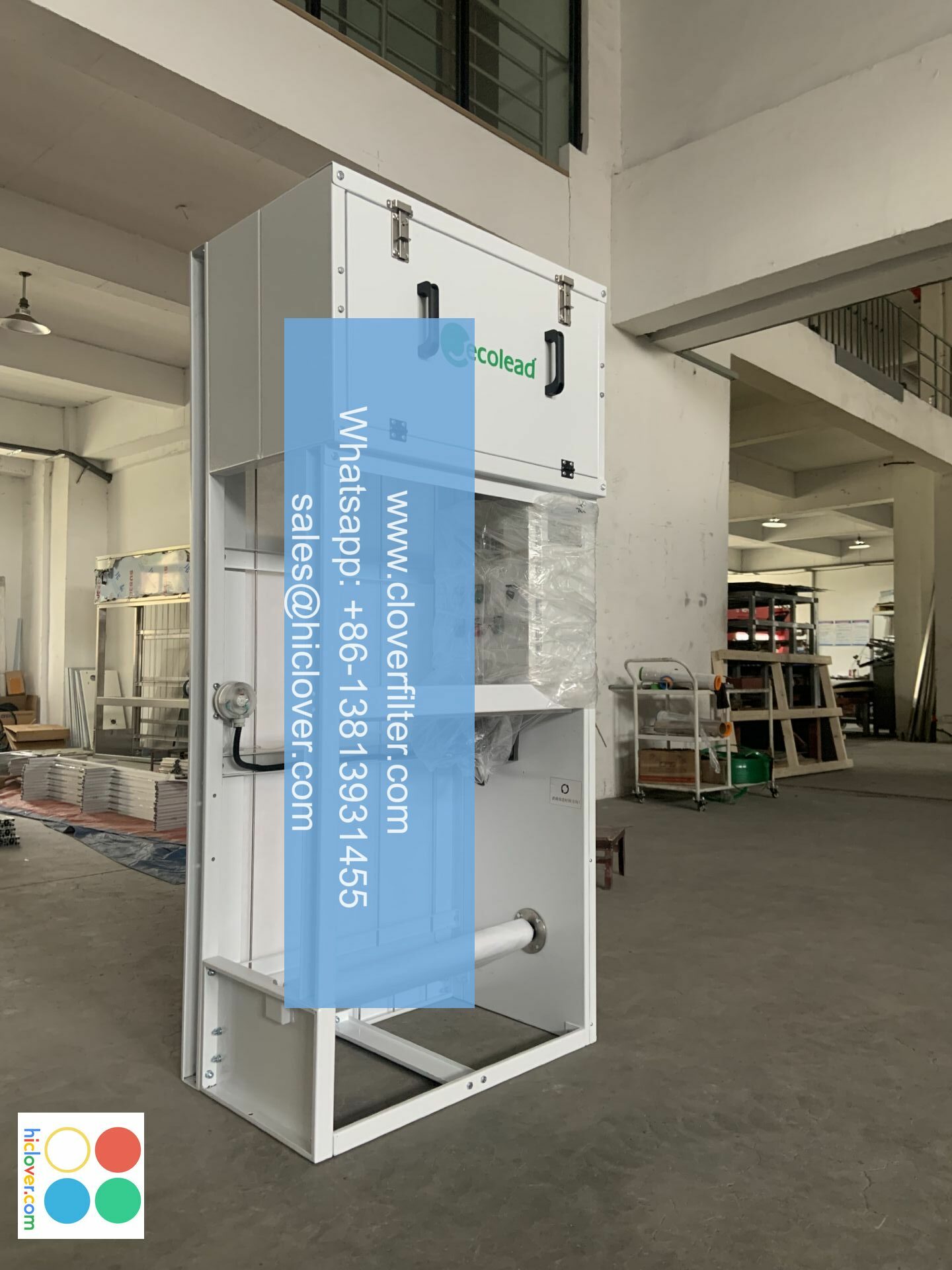
Automatic roll air filters function by continuously circulating the air within a room. These filters are strategically placed throughout the hospital, particularly in high-traffic areas and patient rooms. The system operates by drawing in air, filtering it through high-efficiency particulate air (HEPA) filters, and then disbursing clean air back into the environment.
The automation aspect ensures that filters are routinely checked and replaced when necessary without requiring constant human intervention. This not only enhances efficiency but also ensures that the air within the hospital is consistently maintained at a high standard of purity.
Benefits of Using Automatic Roll Air Filters
1. Reduction of Airborne Pathogens: The primary benefit of air filtering is the significant reduction of airborne bacteria, viruses, and allergens, thereby decreasing the risk of infections.
2. Enhanced Patient Comfort: Clean air contributes to a more comfortable environment for patients, making their stay more pleasant, and can even promote quicker healing.
3. Efficiency in Maintenance: With automatic monitoring, the hospital can focus its resources on patient care rather than manual filter checks and replacements.
4. Regulatory Compliance: Hospitals must adhere to strict health regulations, and using advanced air filtration systems helps meet these standards.
Conclusion
In summary, St. John’s Hospital recognizes the critical importance of air quality in infection control. By integrating automatic roll air filters into its infrastructure, the hospital not only enhances its infection control measures but also provides a safer and more comfortable environment for patients and staff. As healthcare technology continues to evolve, St. John’s Hospital remains committed to implementing the most effective solutions for infection prevention.
Frequently Asked Questions (FAQs)
1. What are hospital-acquired infections (HAIs)?
Hospital-acquired infections are infections that patients can get while receiving medical treatment in a healthcare facility, which were not present at the time of admission.
2. How often are the air filters replaced?
Automatic roll air filters are monitored continuously, and replacement schedules are set based on usage and filtration performance to ensure optimal air quality.
3. Do automatic roll air filters really make a difference?
Yes, studies show that using high-efficiency filtration systems significantly lowers the levels of airborne pathogens, enhancing patient safety and comfort.
4. Are there any other infection control measures in place at St. John’s Hospital?
Yes, the hospital employs various infection control strategies, including regular sanitation, training staff in hygiene practices, and utilizing advanced sterilization techniques.
