Enhancing Maritime Defense: The Role of Automatic Roll Ventilation Filters
Introduction
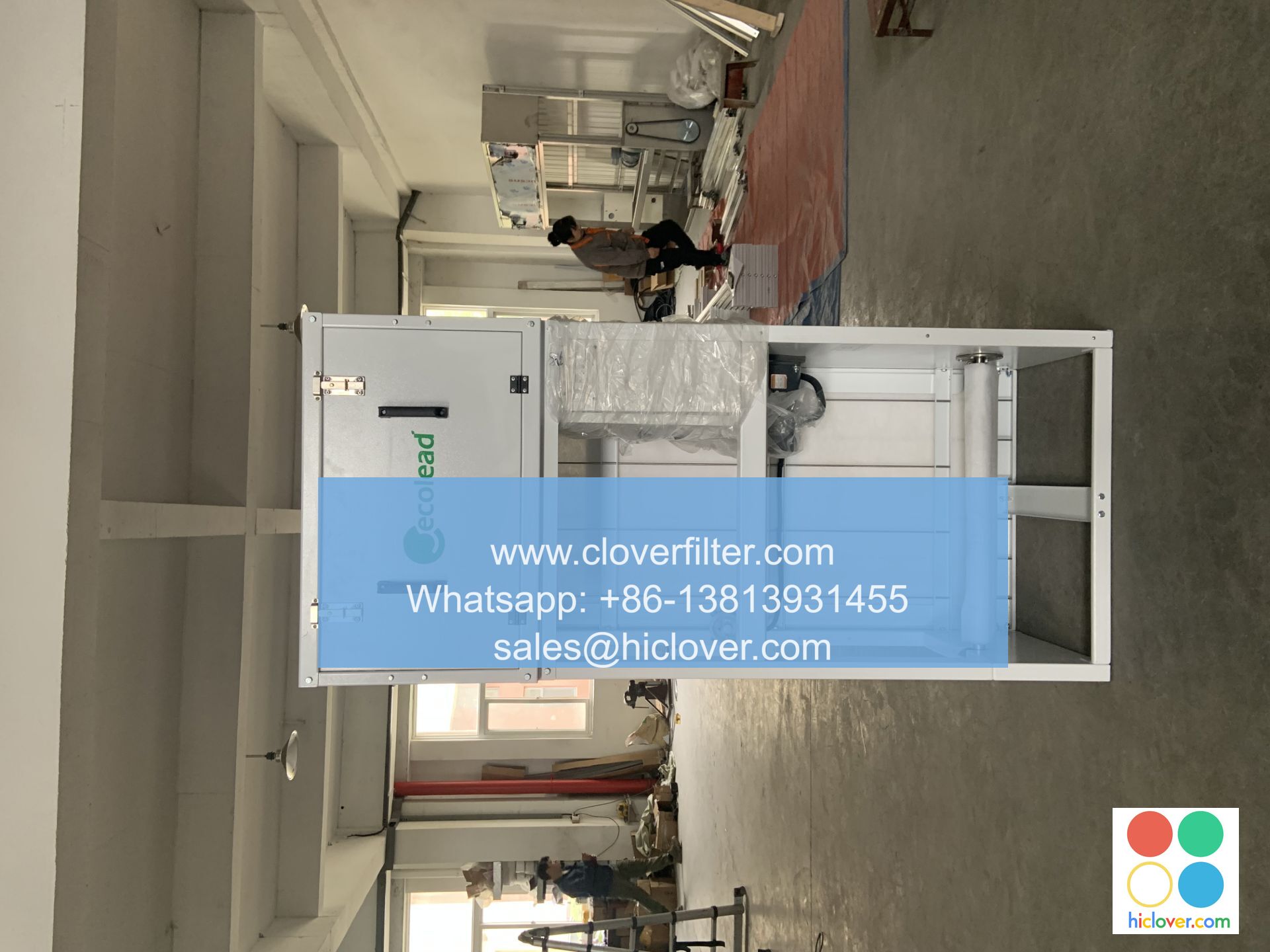
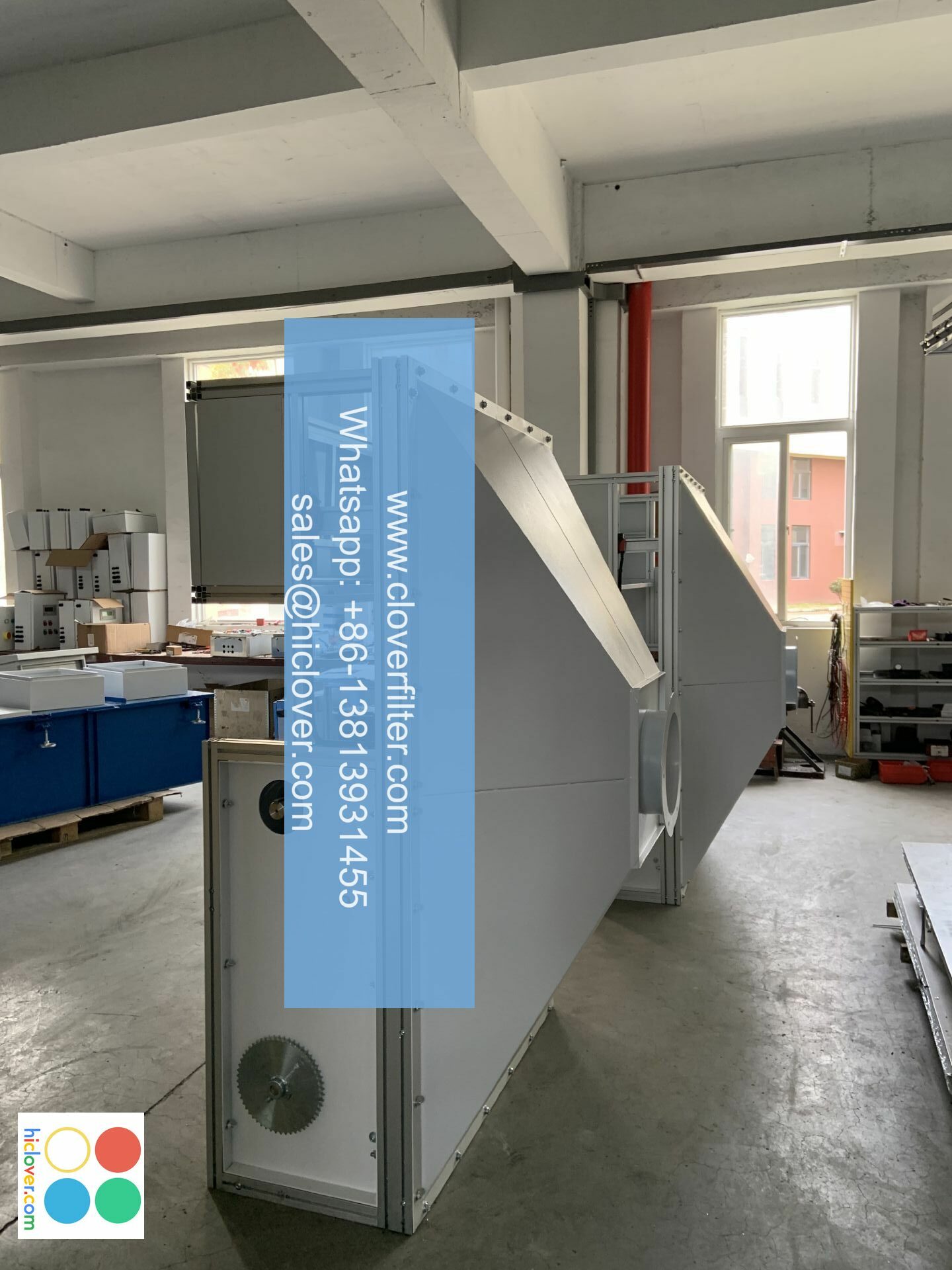
Maritime defense has evolved significantly in response to emerging threats, technologic advancements, and environmental challenges. One of the critical components in this evolution is the implementation of advanced climate control technologies, particularly Automatic Roll Ventilation Filters (ARVF). These innovative systems play an essential role in enhancing air quality and ensuring the safety of personnel aboard naval vessels and other maritime operations.
The Importance of Automatic Roll Ventilation Filters
ARVF systems provide a comprehensive solution for air circulation and filtration, addressing various risks including chemical, biological, and particulate contaminants. Their automatic operation ensures optimal performance in dynamic maritime environments, making them invaluable in defense operations. The technology is particularly significant in:
- Protecting Crew Health: ARVF systems filter out harmful airborne particles, ensuring cleaner air for personnel onboard, which is critical during extended missions.
- Enhancing Equipment Longevity: By maintaining a controlled environment free from corrosive elements, shipboard equipment benefits from reduced wear and tear.
- Adaptability to Varying Conditions: These filters automatically adjust based on environmental conditions, optimizing ventilation according to specific mission requirements.

Key Application Areas of ARVF in Maritime Defense
The implementation of Automatic Roll Ventilation Filters extends across various applications within maritime defense:
1. Warships and Naval Vessels
In today’s naval operations, warships are vulnerable to a myriad of threats. ARVF systems are installed to ensure that air quality is maintained even in hostile environments, facilitating mission readiness and crew effectiveness.
2. Submarines
In submarines where space and air quality are critical, ARVF technology plays an even more crucial role. The automatic adjustment feature responds to the confined nature of submarines, providing a protective barrier against airborne pollutants.
3. Coast Guard Vessels
Coast guard vessels often operate in environments with varying air quality conditions. The ability of ARVF systems to adapt ensures the safety and operational efficiency of personnel engaged in search and rescue missions.
4. Offshore Platforms
On offshore drilling and research platforms, managing air quality is essential for both safety and productivity. ARVF systems help mitigate the risks associated with volatile organic compounds and other hazardous materials.
5. Merchant Ships
Even in non-military operations, enhancing air quality through ARVF technology in merchant ships contributes to crew health and operational efficiency, thus supporting global trade networks.
The Future of ARVF in Maritime Defense
The continuous development of ARVF technology is expected to incorporate advanced sensors and smart systems, allowing for further improvements in responsive air management. As maritime missions evolve, the demand for effective ventilation solutions that enhance crew safety and operational capabilities will only increase.
It seems like you might want me to help with a specific prompt. Could you provide more details or clarify what you’re looking for? Whether it’s writing, brainstorming ideas, or something else, I’d be happy to assist!
