Air Filter Testing and Inspection Procedures for HVAC Systems: A Documentation Protocol

In the field of HVAC (Heating, Ventilation, and Air Conditioning), the significance of air filter testing and inspection cannot be overstated. The quality of air filters directly impacts air quality, energy efficiency, and overall system performance. This article presents a comprehensive documentation protocol that establishes testing and inspection procedures for air filters in HVAC systems, highlighting various application areas.
Understanding the Importance of Air Filters
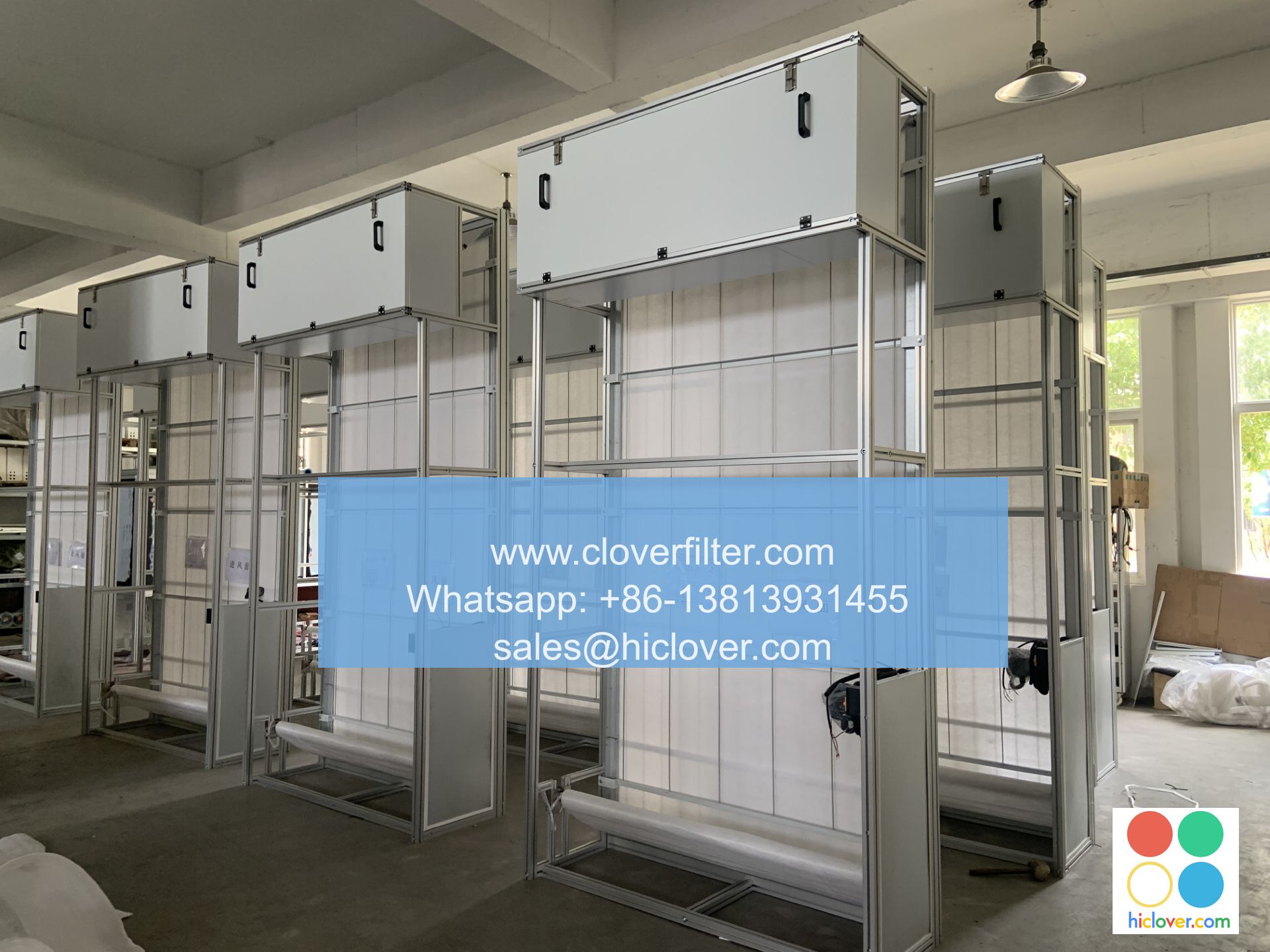
Importance of Air Filters in HVAC Systems
Air filters are the first line of defense against airborne pollutants and particulate matter, effectively improving indoor air quality (IAQ). By capturing dust, allergens, and other contaminants, these filters enhance the lifespan and operational efficiency of HVAC systems. The following areas illustrate their application:
- Residential Homes: Maintaining healthy indoor environments.
- Commercial Buildings: Ensuring workplace safety and comfort.
- Industrial Facilities: Protecting machinery and product integrity.
Documentation Protocol for Air Filter Testing

1. Pre-Inspection Preparation
Before testing and inspecting HVAC air filters, it’s essential to prepare a documentation checklist, including:
- Identification of Air Filter Types: HEPA, fiberglass, pleated, or electrostatic.
- Location Mapping: Documenting all systems and their corresponding filters.
- Previous Maintenance Records: Reviewing history for informed decisions.
2. Inspection Procedures
Physical Examination
Inspect filters visually for signs of wear, damage, and saturation. Areas to check include:
- Surface Condition: Verify the filter is intact, free from rips, tears, or excessive bending.
- Debris Accumulation: Check whether dust, dirt, or biological growth is visible.
Efficiency Testing
Perform tests to assess the efficiency of filters. Methods include:
- MERV Rating Assessment: Understand the Minimum Efficiency Reporting Value applicable to the specific filter.
- Airflow Measurement: Use an anemometer to measure airflow before and after filtration.
3. Cleaning and Replacement Procedures
- Cleaning Protocols: Define when and how to clean reusable filters.
- Replacement Schedule: A systematic approach for regular replacement based on usage, typically every 3-6 months.
Documentation Best Practices
1. Record Keeping
Maintain accurate records of all inspections and tests conducted. Documentation should include:
- Inspection Dates: Date when inspections took place.
- Findings and Actions Taken: Results of inspections, cleaning, or replacements performed.
- Compliance Checklists: Verify that all procedures adhere to local regulations and industry standards.
2. Digital Tracking Systems
Utilizing management software enables efficient tracking of filter performance and historical data, enhancing analytical capabilities for maintenance schedules.
Application Areas of Effective Air Filter Testing
Residential HVAC Systems
In homes, regular inspection and testing guarantee that indoor air quality remains high, also addressing allergens that affect respiratory health.
Commercial Spaces
Businesses can ensure compliance with workplace safety regulations and enhance employee productivity through diligent air filter inspection protocols.
Industrial Applications
For industries such as pharmaceuticals or food processing, strict air purity standards necessitate meticulous filter testing procedures to avoid contamination.
Training and Continuous Improvement
1. Staff Training
Providing staff with training on inspection and testing protocols is crucial. Training ensures proper understanding of procedures while fostering a culture of safety.
2. Feedback Mechanisms
Implement feedback loops to continuously improve testing and inspection procedures, including employee and customer feedback on indoor air quality perceptions.
Conclusion
Air filter testing and inspection procedures for HVAC systems are central to maintaining optimum air quality, energy efficiency, and system longevity. Following a structured documentation protocol enhances the effectiveness of these procedures, ensuring a healthier and cleaner environment across various application areas. Regular testing not only promotes better system performance but also contributes to the well-being of occupants, thus underlining the essential role of air filters in HVAC systems.
This structured approach bridges theoretical knowledge and practical application, leading to a more efficient and effective HVAC operational framework.
It looks like you might be looking for assistance with a prompt! Could you please provide more details or specify the type of prompt you need? Whether it’s for writing, brainstorming, or something else, I’m here to help!
