Best Practices for Installing and Maintaining Automatic Roll Air Filters at ConAgra Facilities
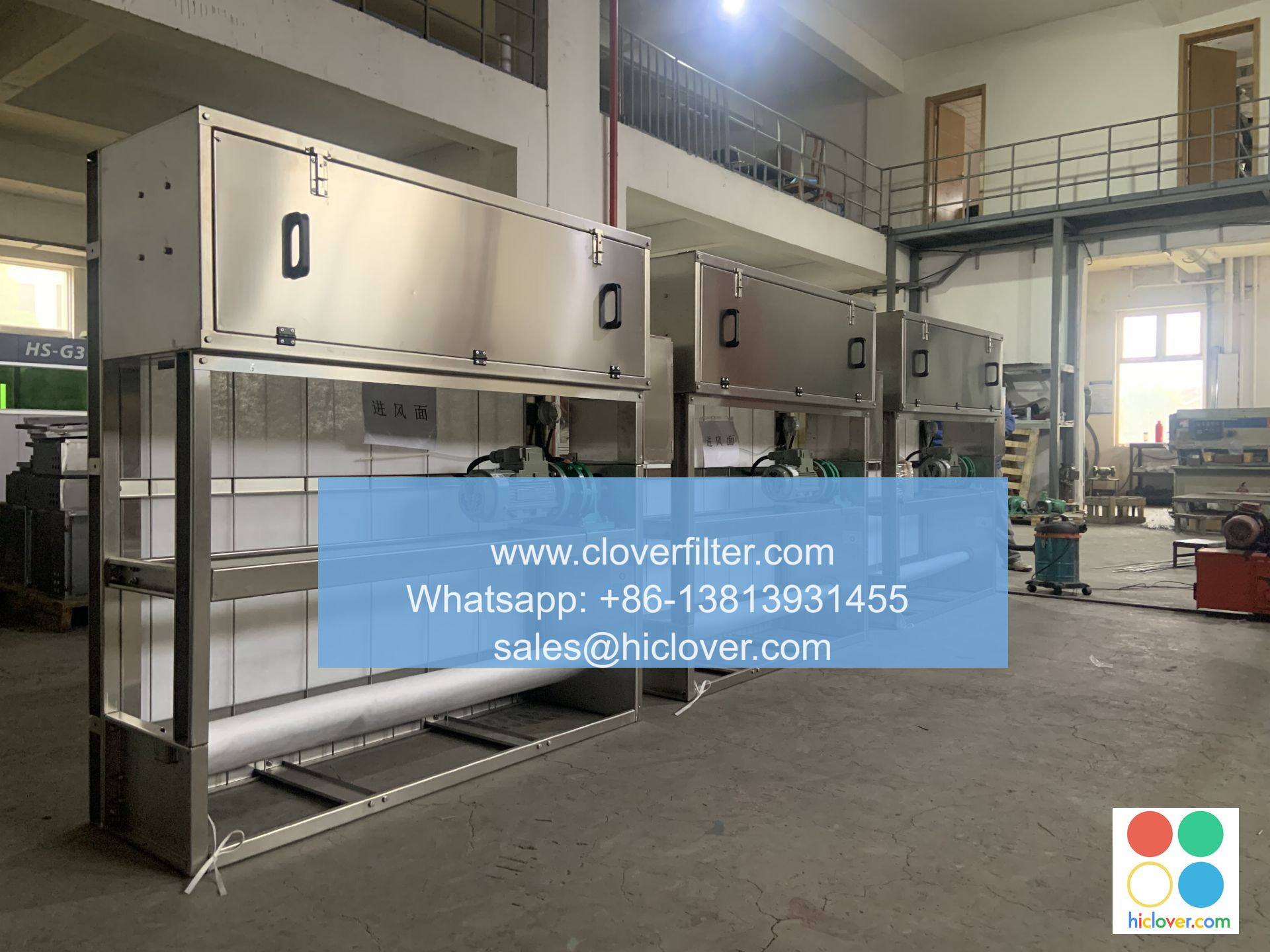
Automatic roll air filters play a crucial role in ensuring air quality and operational efficiency in food production facilities like those operated by ConAgra. Implementing best practices for installation and maintenance of these systems can help maximize their performance, enhance durability, and reduce costs. Below, we delve into effective strategies tailored specifically for ConAgra facilities.
1. Understanding the Importance of Automatic Roll Air Filters

Automatic roll air filters are essential for controlling airborne contaminants in manufacturing plants. These filters are particularly beneficial in food processing, packaging, and storage areas, where air quality directly affects product safety and quality. Understanding their role will aid in smarter installation and maintenance.
2. Installation Best Practices
Site Assessment
Before installation, conduct a thorough site assessment. This should include evaluating air quality, identifying potential pollutants, and analyzing the required airflow requirements for different areas, such as production lines and warehouse areas.
Choosing the Right Filter Type
Select filters that are appropriate for your specific application. Consider factors such as particle size, moisture levels, and heat requirements. For example, high-efficiency particulate air (HEPA) filters are ideal for areas requiring stringent air quality standards.
Proper Placement
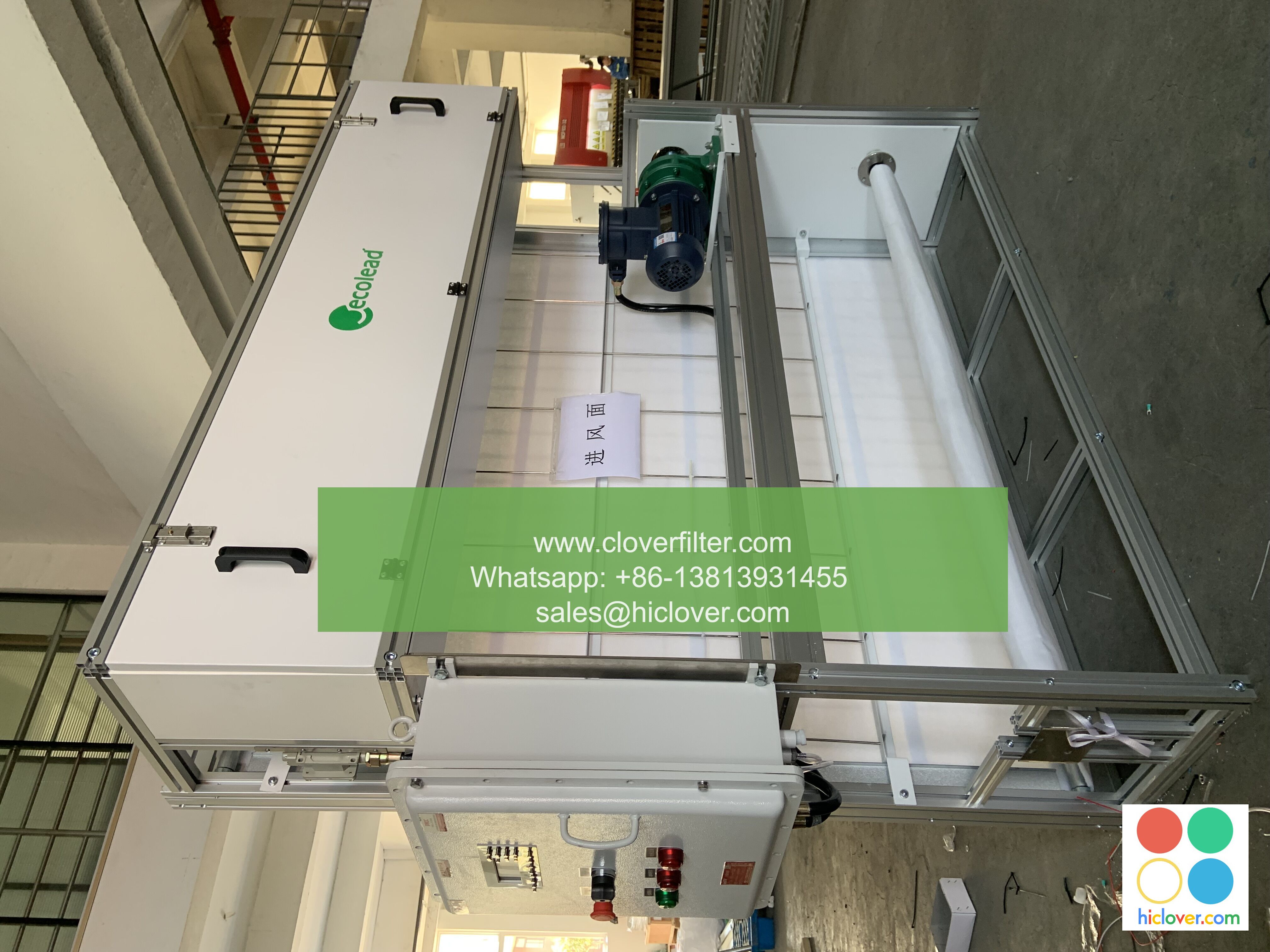
Successful installation involves strategic placement of air filters. Position them where they will be most effective in capturing contaminants without obstructing workflow. Ensure that they are easily accessible for maintenance purposes.
3. Effective Maintenance Strategies
Regular Inspections
Conduct regular inspections of the air filter systems to ensure they are functioning optimally. Check for signs of wear, filter saturation, and air leakage. This proactive approach reduces the risk of system failure and ensures continued air quality compliance.
Routine Cleaning and Replacement
Establish a routine for cleaning and replacing air filters. Depending on the operational environment, filters may need to be cleaned or replaced every few weeks or months. Always follow manufacturer recommendations for maintenance schedules.
Utilizing Monitoring Systems
Implement air quality monitoring systems to track filter performance in real-time. Using smart technology can help predict when filters need to be changed, minimizing downtime and maintaining air quality.
4. Training Staff
Ensure that all personnel responsible for the installation and maintenance of automatic roll air filters are adequately trained. Providing training ensures they understand both the functionality of the filters and the best practices for maintaining them effectively.
5. Documentation and Record Keeping
Maintain detailed records of installation dates, maintenance schedules, and inspections. Documentation not only aids in compliance but also allows for informed decision-making when it comes to upgrades or filter replacements.
6. Common Challenges and Solutions
Recognize potential challenges such as filter clogging, improper installation, or environmental factors that could hinder filter performance. Engage with filter manufacturers to explore advanced solutions and keep abreast of new technologies that can improve efficiency.
Conclusion
By adhering to these best practices for installing and maintaining automatic roll air filters, ConAgra facilities can ensure higher air quality, enhance operational efficiency, and promote a safer working environment. Regular attention to these systems will yield long-term benefits, safeguarding both product integrity and employee health.
