The Impact of Air Filters on HVAC System Energy Consumption
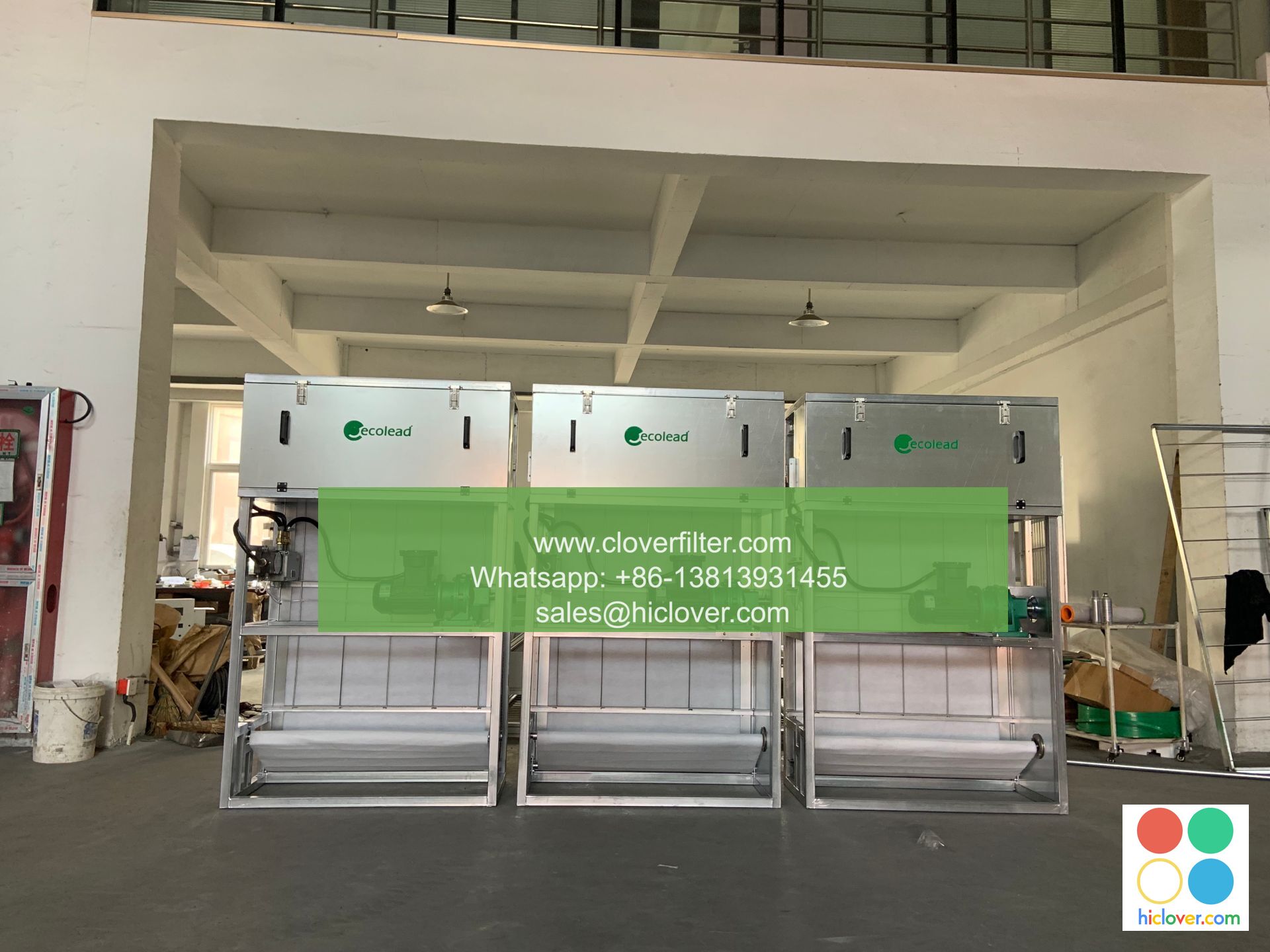
Efficient heating, ventilation, and air conditioning (HVAC) systems are crucial for maintaining indoor air quality and comfort. However, one vital component that often goes overlooked is the air filter. In this article, we will explore how air filters impact HVAC system energy consumption, their importance in various application areas, and the benefits of selecting the right type of filter.
Understanding HVAC System Efficiency
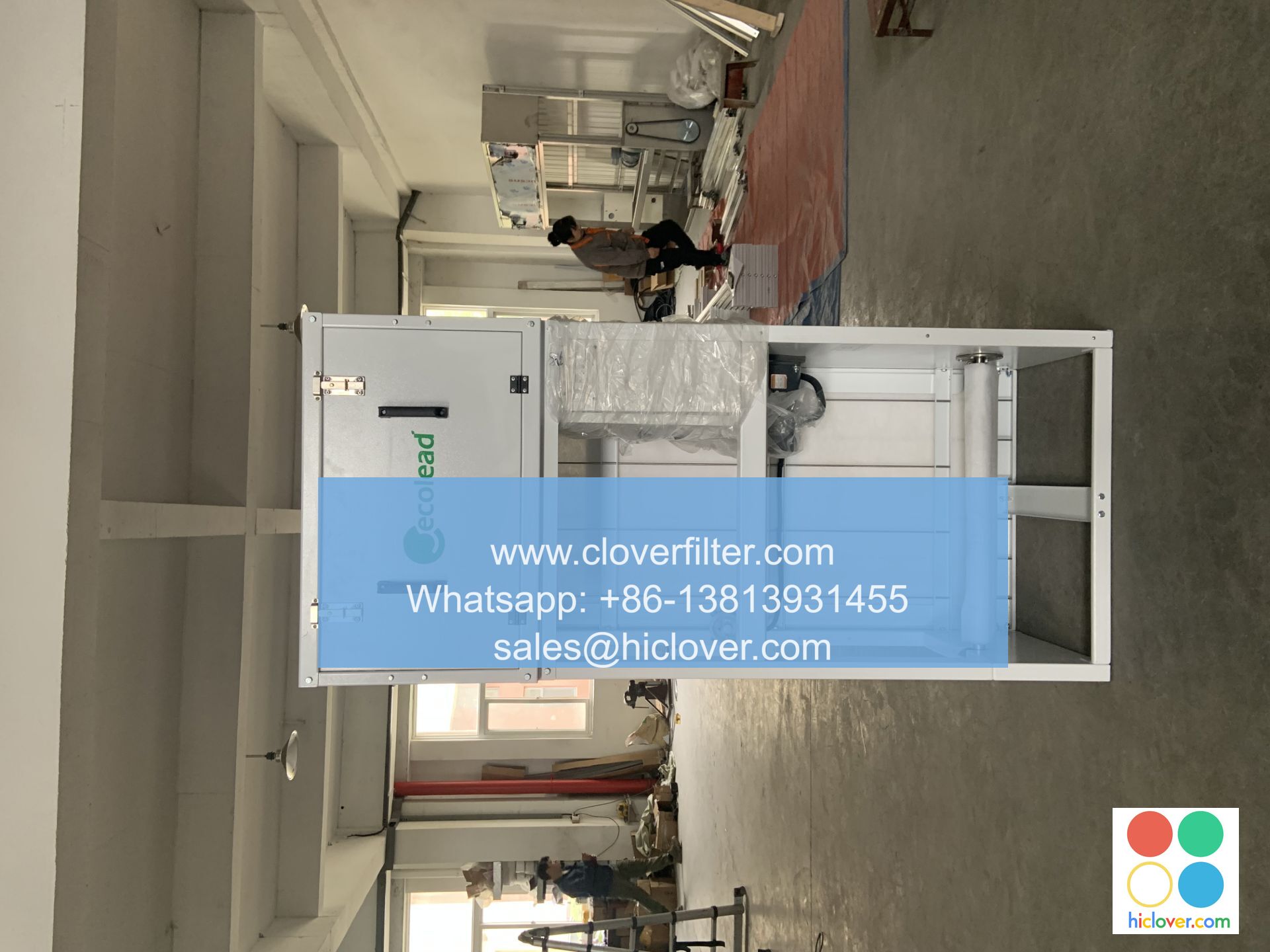
An HVAC system is designed to regulate indoor temperature, humidity, and air quality. The efficiency of these systems can significantly affect energy consumption, which leads to higher utility bills and a larger carbon footprint. One of the key components that influence the performance and efficiency of an HVAC system is the air filter.
The Role of Air Filters
Air filters trap dust, allergens, and other particles to ensure clean air circulation. Dirty or clogged filters can create several issues, including:
- Reduced airflow
- Increased energy consumption
- Higher wear and tear on HVAC components
- Poor indoor air quality
- HEPA Filters: Excellent at trapping small particles, but may require more frequent changes and can impact airflow.
- Electrostatic Filters: Washable and reusable, these filters can save money over time but require consistent upkeep to maintain efficiency.
- Disposable Fiberglass Filters: Typically the least efficient but easier to maintain, they are a cost-effective option for many homeowners.
- Regularly monitor and replace air filters based on usage and filter type.
- Opt for filters with appropriate MERV ratings to balance airflow and filtration efficiency.
- Consider investing in smart HVAC systems that monitor filter conditions and optimize air quality.

Ensuring that filters are clean and appropriate for the specific HVAC system is critical in maintaining energy efficiency.
Energy Consumption and Air Filters
The Mechanism of Energy Use
When air filters become dirty or clogged, the HVAC system works harder to pull air through them, leading to increased energy consumption. According to the U.S. Department of Energy, replacing a dirty air filter can improve HVAC efficiency by 5% to 15%. Regular maintenance, including filter replacement, can greatly extend the life of the system and enhance energy savings.
Filtration Types and Their Energy Impact
Different types of filters — such as HEPA, electrostatic, and disposable fiberglass filters — have varying impacts on energy consumption based on their MERV (Minimum Efficiency Reporting Value) ratings. Higher MERV ratings typically mean finer filtration but can also mean increased resistance to airflow. Choosing the right filter involves balancing air quality needs with energy efficiency.
Application Areas for HVAC Air Filters
The impact of air filters extends beyond residential systems. Knowing where and how to apply the right filter can lead to energy savings across various sectors.
Residential Buildings
In homes, maintaining clean air filters can reduce overall electricity consumption, particularly in regions with extreme climates. Homeowners should adhere to a change schedule, ideally every 1 to 3 months, depending on usage and filter type.
Commercial Spaces
For commercial buildings, air quality and energy consumption are critical. Poor air quality can lead to employee discomfort and productivity loss. Implementing high-efficiency air filters can improve energy savings and promote a healthier work environment.
Industrial Applications
In industrial settings, where airborne particulates may be more pronounced, specialized filters are essential. These systems benefit immensely from high-efficiency particulate air (HEPA) filters to maintain compliance with regulatory standards while simultaneously enhancing energy efficiency.
Healthcare Facilities
Healthcare facilities face stringent air quality requirements. Utilizing quality filters in HVAC systems can reduce energy costs while ensuring the safety of patients and staff. Proper filtration is essential for infection control and maintaining a sterile environment.
Conclusion
Air filters play an essential role in the overall efficiency of HVAC systems. By understanding and implementing the right air filter, homeowners and businesses alike can significantly reduce energy consumption and enhance air quality. As we become increasingly aware of the impact of energy use on the environment, optimizing HVAC systems through quality air filtration becomes not just an operational necessity but a crucial step towards sustainability.
Recommended Practices
By remaining vigilant about air filtration, we can not only enhance energy efficiency but also contribute to healthier indoor environments across various applications.
It looks like your message got cut off. Could you please provide more details about what you’re looking for? Whether it’s a writing prompt, a question, or something else, I’d be happy to help!
