The Importance of Automatic Roll Air Filters in Waterloo Cleanroom Design and Construction
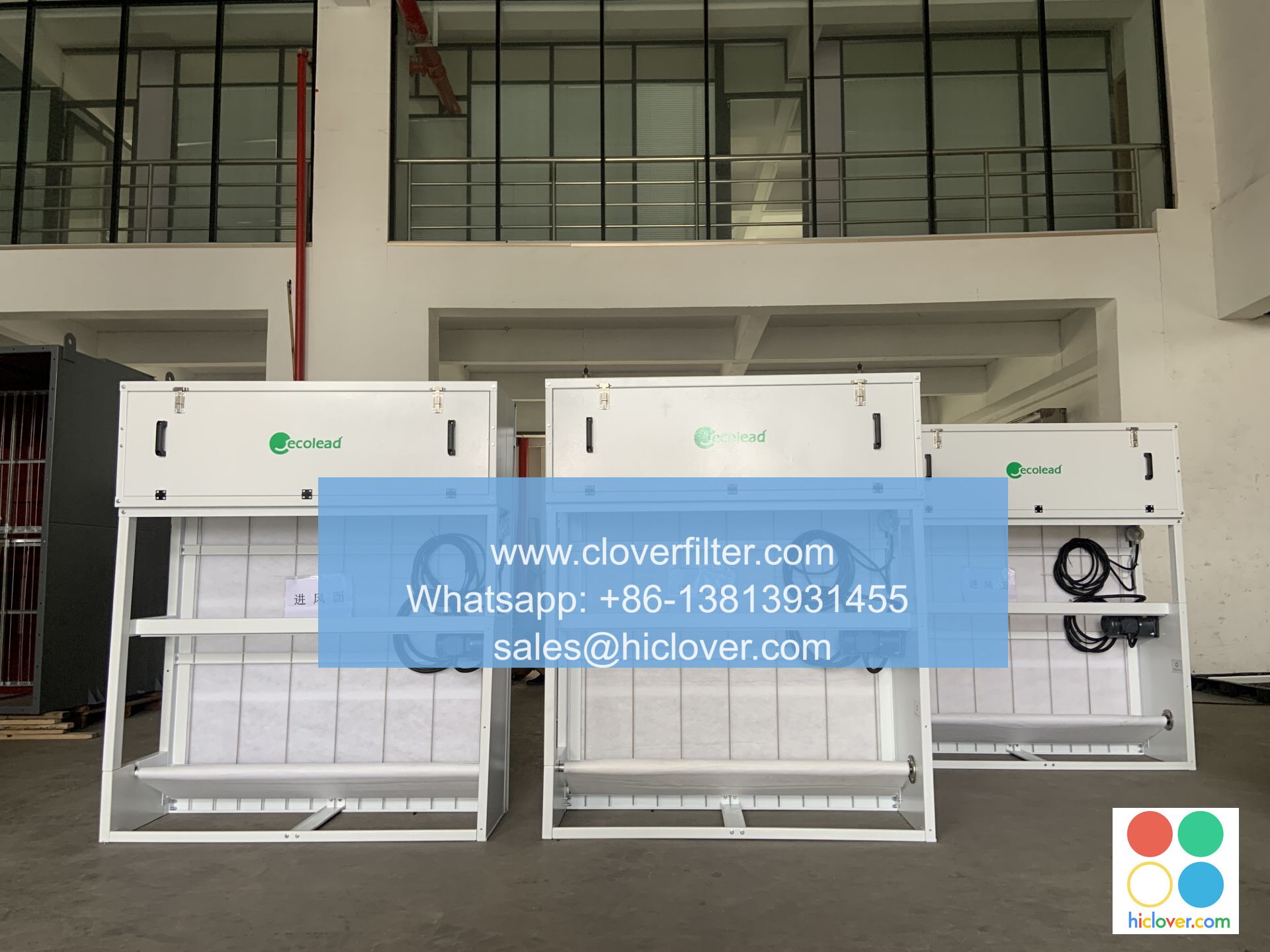
In the realm of cleanroom design and construction, particularly in environments such as those found in Waterloo, the role of air filtration cannot be overstated. Automatic roll air filters serve as a critical component in maintaining the integrity and cleanliness of controlled environments. These advanced filtration systems streamline air quality management, ensuring optimal conditions for sensitive processes and research while adhering to stringent industry standards.
What are Automatic Roll Air Filters?

Automatic roll air filters are innovative filtration systems that utilize rolling mechanisms to efficiently trap contaminants and particulates from the air. Unlike traditional filters that require frequent replacements, these systems can significantly reduce maintenance needs while enhancing air quality control. They consist of a long length of filter material that is wound onto a roll, allowing for continuous filtration without the need for manual replacements until the entire roll has been utilized.
Key Benefits in Cleanroom Applications
The importance of automatic roll air filters in cleanroom settings is multifaceted. Here are some of the key benefits:
- Enhanced Air Quality: Cleanrooms are characterized by their strict air quality requirements. Automatic roll air filters ensure that airborne contaminants such as dust, mold, and microbes are efficiently captured, contributing to a sterile environment.
- Cost-Effective: Although the initial investment may be higher than traditional filters, the reduced frequency of replacements and maintenance leads to cost savings over time. Users of these systems often find that their long-term operational costs are lower.
- Energy Efficiency: These filters can help maintain low energy consumption levels. By ensuring that air passage isn’t obstructed, the HVAC systems in the cleanroom don’t have to work as hard, leading to energy savings.
- Improved Airflow: With their rolling design, these filters allow for a consistent and unobstructed airflow, eliminating the risk of pressure drops that can occur with traditional filter systems.

Regulatory Compliance
In environments such as pharmaceuticals, biotech, and manufacturing, regulatory standards for air quality must be rigorously adhered to. Automatic roll air filters are designed to meet or exceed these regulations, helping organizations maintain compliance and avoid costly penalties.
Conclusion
The integration of automatic roll air filters in Waterloo’s cleanroom design and construction is pivotal for organizations aiming to achieve excellence in operational efficiency, safety, and compliance. By ensuring exceptional air quality and minimizing operating costs, these systems not only strengthen the reliability of cleanroom conditions but also support the overall viability of scientific research and manufacturing processes. As cleanroom technology continues to evolve, the role of efficient air filtration will remain paramount, highlighting the importance of investing in advanced solutions like automatic roll air filters.
FAQs
1. How often do automatic roll air filters need to be replaced?
Automatic roll air filters are designed for extended use. Typically, their replacement is dictated by the length of the roll used rather than a set time frame. Organizations can monitor air quality to determine when replacement is needed.
2. Are automatic roll air filters suitable for all cleanroom classifications?
Yes, automatic roll air filters can be designed to meet the specific cleanliness requirements of various classifications, including ISO 5, ISO 7, and beyond, depending on the application.
3. Can these filters be integrated into existing cleanroom systems?
Yes, many automatic roll air filters are designed to easily fit into existing cleanroom infrastructure, allowing for integration without significant retrofitting.
4. What is the maintenance required for automatic roll air filters?
Maintenance is minimal but involves monitoring the air quality and replacing the filter roll periodically. Regular inspections will help ensure optimal performance.
