Air Filter Programs for Office Buildings: A Review of Best Practices
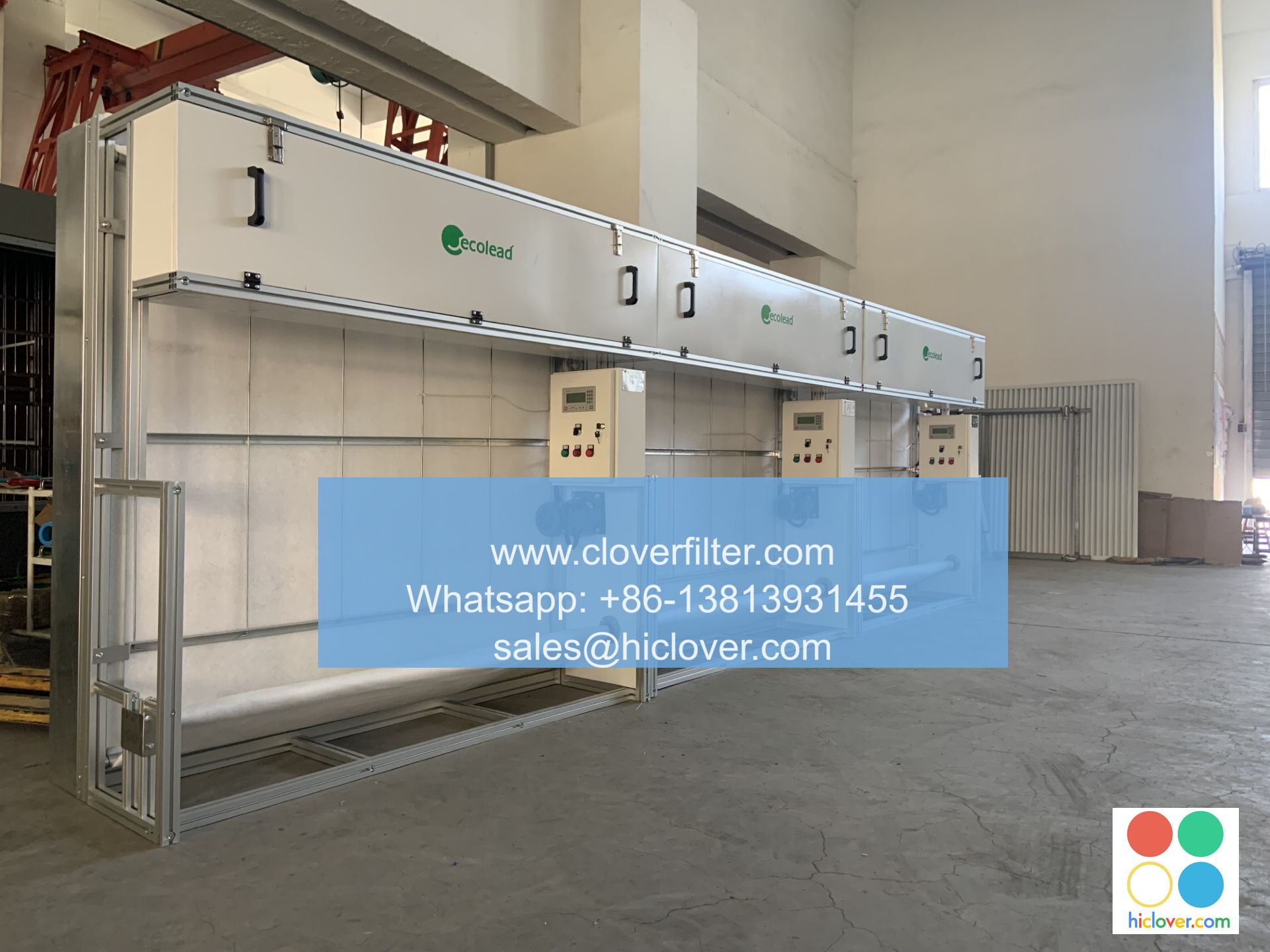
As workplaces prioritize health and safety, air quality has emerged as a crucial aspect of office building management. Air filter programs play a vital role in ensuring clean and breathable air within office environments. This article reviews the best practices for implementing effective air filter programs in office buildings, highlighting various application areas.
Understanding Air Quality and Its Impact

Indoor air quality significantly impacts employee health, productivity, and overall well-being. Poor air quality can lead to issues such as respiratory problems, headaches, and decreased concentration. Implementing a robust air filter program can mitigate these risks by improving air circulation and filtering out pollutants.
Key Components of an Effective Air Filter Program
1. Regular Testing and Assessment
Establishing a baseline for indoor air quality is essential. Regular air quality assessments, including measuring particulate matter, volatile organic compounds (VOCs), and other contaminants, enable building managers to identify specific needs and adjust air filter programs accordingly.
2. Choosing the Right Air Filters
The selection of air filters is crucial for maximizing efficiency. Filters are rated by their Minimum Efficiency Reporting Value (MERV). Higher MERV ratings indicate better filtration capabilities. For office buildings, using HEPA (High-Efficiency Particulate Air) filters is recommended, as they can capture up to 99.97% of airborne particles.

3. Establishing a Maintenance Schedule
A proactive maintenance schedule is vital to ensuring air filters operate at peak performance. Regularly changing filters based on manufacturer guidelines and building occupancy rates can provide maximum filtration efficiency.
4. Education and Awareness
Educating employees about the importance of air quality and the role of air filters can foster a culture of health and wellness within the office. Informational workshops or newsletters can help keep everyone informed about the measures being taken for their well-being.
Specific Application Areas
1. HVAC Systems
Integrating advanced air filters into HVAC systems is one of the primary methods for enhancing air quality in office buildings. Regularly maintaining these systems and ensuring that they complement the air filters can lead to improved overall performance.
2. Open-Plan Offices
Open-plan offices can pose unique challenges for air quality management. The design often allows pollutants to spread quickly. Implementing localized air purification systems alongside main filtration helps contain and reduce airborne contaminants.
3. High Occupancy Areas
Spaces such as conference rooms, break areas, and reception areas often have higher occupancy levels and, consequently, increased levels of contaminants. Enhanced air filtration systems in these zones can help maintain clean air and create a comfortable environment for employees and visitors alike.
Conclusion
Air filter programs for office buildings are essential for fostering a healthy and productive working environment. By focusing on regular assessment, proper filter selection, maintenance, and employee awareness, building managers can achieve optimal air quality. Through these best practices, office buildings can not only meet health standards but also enhance employee satisfaction and productivity.
Call to Action
Are you ready to improve the air quality in your office? Consider implementing a comprehensive air filter program today and take the first step toward a healthier workplace.
It looks like you might want a writing prompt or idea! Here are a few options for you to choose from:
-
Time-Worn Messages: A young woman finds a series of letters hidden in the walls of her new home, written by its previous inhabitants during significant historical events. As she reads them, she begins to uncover long-buried secrets of the house and its former residents.
-
The Memory Thief: In a future where memories can be extracted and sold, a memory thief is hired to steal the most precious memory of a reclusive artist. However, as he delves into her past, he discovers a hidden truth that could change everything he knows about art—and himself.
-
An Unexpected Journey: A group of friends discovers an ancient map while cleaning out a relative’s attic. With a mix of excitement and apprehension, they set out on an adventure that tests their friendship, courage, and ultimately, their loyalty to one another.
-
The Last Tree: In a dystopian world where trees are extinct, a young boy stumbles upon a single surviving tree. As whispers of its existence spread, he must protect it from those who seek to profit from its rare existence.
-
Parallel Lives: Two individuals living in parallel universes discover a way to communicate through dreams. As they share their lives and experiences, they realize that a cataclysmic event in one universe is threatening to spill over into the other, forcing them to work together to find a solution.
Feel free to choose one of these prompts or let me know if you’re looking for something different!
