Automatic Roll Air Filters in Ontario Cleanrooms: A Guide to Installation and Commissioning
Introduction
Automatic roll air filters are essential components in cleanrooms, especially in Ontario where stringent environmental standards are in place. Cleanrooms are designed to control airborne particulates, temperature, humidity, and pressure, depending on the specific industry requirements. This article serves as a comprehensive guide for the installation and commissioning of automatic roll air filters in Ontario cleanrooms.
What are Automatic Roll Air Filters?
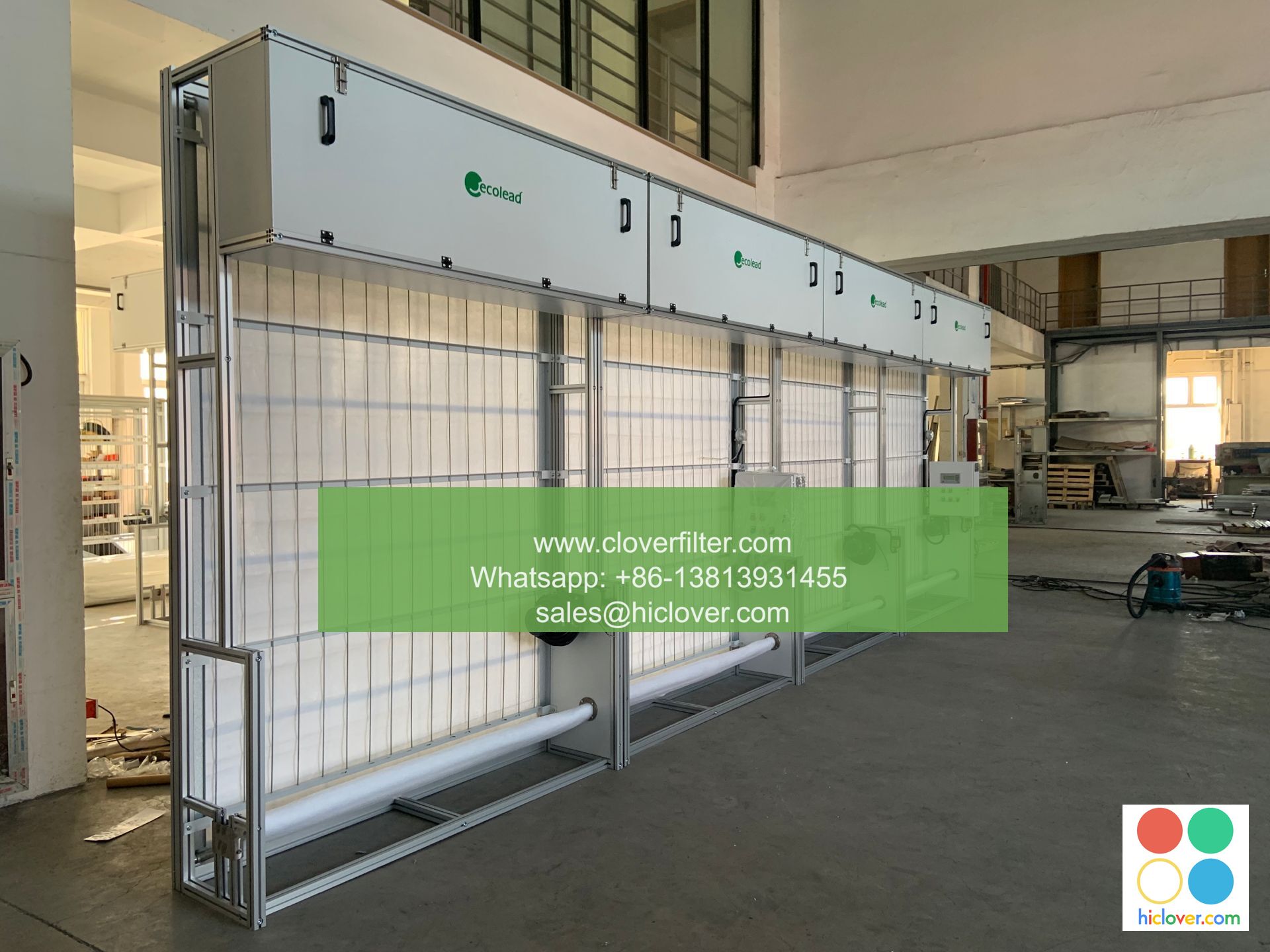
Automatic roll air filters consist of a continuous roll of filter media that is automatically fed into the filter housing as the existing media becomes contaminated. This constant renewal of filter material ensures optimal filtration efficiency and reduces maintenance efforts. They are particularly well-suited for industries such as pharmaceuticals, biotechnology, and semiconductor manufacturing, where even minute particles can compromise product quality.
Installation Steps
1. Site Assessment
Before installation, a thorough site assessment is crucial. Factors such as the cleanroom’s size, airflow requirements, and existing HVAC systems should be evaluated. This ensures that the automatic roll air filters will adequately meet the cleanroom’s specific needs.
2. Selecting the Right Filters

Choosing the appropriate filters depends on the cleanroom classification. Higher-class cleanrooms will require filters with lower particle retention ratings. Ensure that the selected roll filters comply with ISO standards and provide the necessary filtration efficiency.
3. Installation of Filter Housing
Begin by installing the filter housing securely. The housing should be airtight to prevent any unintended airflow around the filters. Ensure all connections are sealed and aligned to maintain even airflow through the filter media.
4. Connecting to HVAC System
Integrate the automatic roll filters with the existing HVAC system. It is essential to ensure that the system’s fan motor is compatible with the new filters, considering both airflow and static pressure. Proper commissioning is necessary to achieve optimal performance.
5. Control System Integration
The final installation step is to integrate the control system. Automated monitoring of filter status, pressure drops, and airflow rates can be achieved with advanced control systems. Ensure all sensors and controls are properly calibrated for reliable operation.
Commissioning Process
The commissioning process is critical for ensuring that all components function correctly. This involves the following:
- Verification: Check all connections and the integrity of the system.
- Testing: Measure airflow rates and pressure drops to ensure they meet specifications.
- Documentation: Record all readings and settings for maintenance and operational standards.
Conclusion
Implementing automatic roll air filters in Ontario cleanrooms is a vital step towards maintaining the necessary environmental conditions for various industries. By understanding the installation and commissioning processes, cleanroom managers can ensure the efficiency and reliability of their air filtration systems. Regular maintenance and monitoring will further enhance the benefits of these advanced filtration technologies.
FAQs
1. How often should automatic roll air filters be replaced?
Replacement frequency depends on usage and particulate load but should typically be assessed every 6 to 12 months.
2. Can I install automatic roll air filters myself?
While some aspects can be DIY, professional installation is highly recommended to ensure proper setup and compliance with regulations.
3. What are the benefits of using automatic roll air filters?
They provide consistent air quality, reduce maintenance time, and automatically adjust to the clogging condition of the filters.
