Air Filter Design for Optimal Performance in Low-Temperature Environments
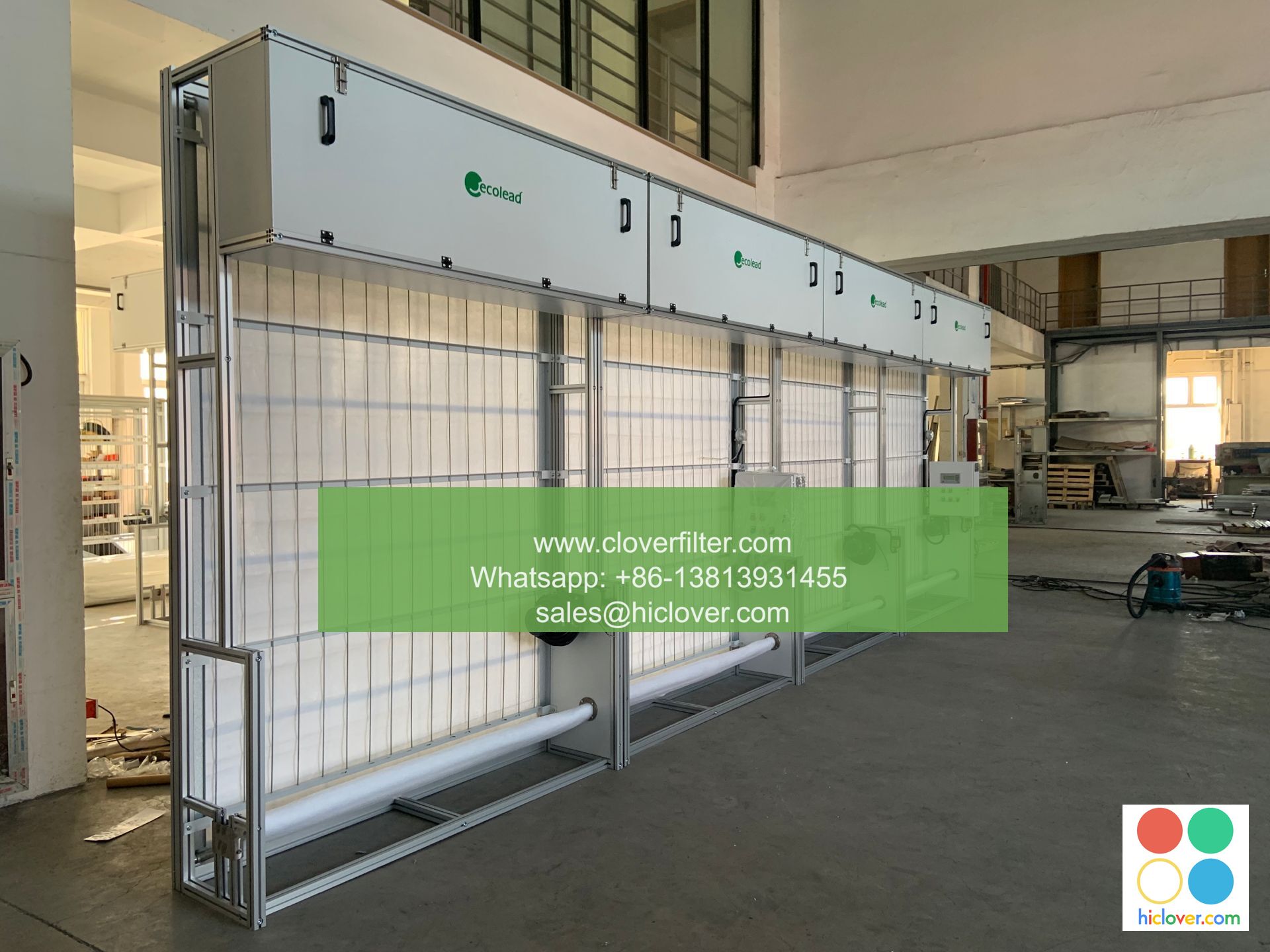
In today’s rapidly changing climate, the demand for efficient air filtration systems has become critical, especially in low-temperature environments. Proper air filter design ensures optimal performance, enhancing air quality in various applications, from industrial processes to residential heating systems.
Key Factors Influencing Air Filter Performance

Designing air filters for low-temperature applications involves considering several key factors that impact their performance:
- Material Selection: The choice of materials plays a pivotal role in air filter efficiency. For low temperatures, materials that remain flexible and effective at trapping particulates are essential.
- Filter Configuration: The design and structure of an air filter can affect airflow resistance and efficiency. Pleated designs often offer higher surface area, which is vital for maximizing performance.
- Humidity Control: Low temperatures often coincide with high humidity, which can affect air filter efficiency. Filters must be designed to resist moisture accumulation to maintain their filtering capabilities.
Applications of Air Filters in Low-Temperature Environments
Air filters specifically designed for low-temperature environments have various applications across multiple industries:

1. Automotive Sector
In cold climates, automotive air filters need to effectively filter out contaminants to ensure optimal engine performance while preventing ice formation in air intake systems.
2. HVAC Systems
Heating, Ventilation, and Air Conditioning (HVAC) systems are crucial in homes and commercial buildings. Filters designed for low temperatures ensure efficient air circulation and heating, improving energy efficiency and indoor air quality.
3. Food and Beverage Industry
Preserving air quality in food processing plants is vital, especially under refrigeration. Specialized air filters prevent contaminants from compromising food safety while maintaining ambient temperature controls.
4. Aerospace Applications
In aviation, air filters used in aircraft must perform effectively in extremely low temperatures. Their design must accommodate altitude changes and ensure clean air circulation in cabin environments.
Challenges in Air Filter Design for Low-Temperature Applications
Designing air filters for colder climates poses unique challenges:
- Freezing and Thawing: Filters may experience damage from freezing temperatures and subsequent thawing, leading to structural integrity issues.
- Particulate Load: Increased snowfall or pollution in colder climates can lead to higher particulate loads, requiring filters to have higher contaminant holding capacity.
- Energy Efficiency: In HVAC units, energy efficiency is paramount. Filters must be optimized to reduce pressure drop and maintain system performance while ensuring high filtration standards.
Strategies for Enhancing Performance
To optimize air filter design for low-temperature environments, manufacturers can implement the following strategies:
- Advanced Materials: Research into high-performance materials that maintain functionality at low temperatures will improve filter performance.
- Aerodynamic Shapes: Utilizing aerodynamically efficient shapes can enhance airflow and reduce resistance.
- Regular Maintenance: Encouraging regular filter changes and maintenance can help sustain performance and prevent decreased efficiency due to accumulated contaminants.
Conclusion
Air filter design for optimal performance in low-temperature environments is essential to various industries, enhancing air quality and system efficiency. By addressing key factors, understanding application areas, and overcoming design challenges, manufacturers can develop air filters that meet the rigorous demands of low-temperature settings. Continuous innovation and consideration for environmental factors will ultimately lead to advanced solutions that improve air filtration across numerous applications.
It seems like you entered “Prompt” but didn’t provide any additional details. Could you please clarify what kind of prompt you’re looking for? Are you interested in writing prompts, discussion topics, or something else? Let me know how I can assist you!
