The Technical Specifications of Automatic Roll Air Filters for Chemical Production in Regina
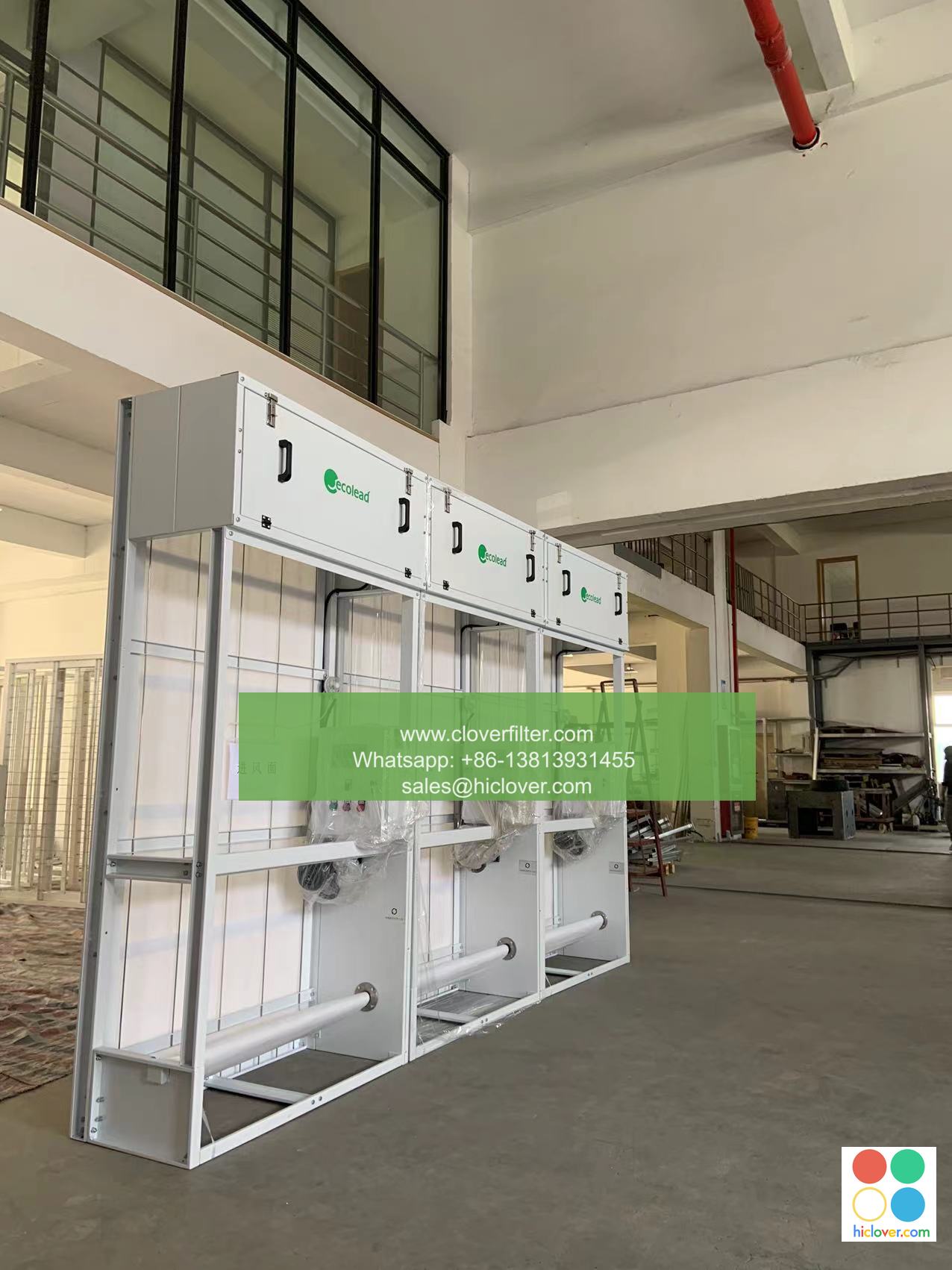
Automatic roll air filters play a crucial role in maintaining air quality and safety standards within the chemical production industry in Regina. These filters are essential for ensuring that harmful particulates and contaminants are effectively removed from the air, thereby protecting both workers and the environment. The technical specifications of these filters can significantly impact their performance and efficiency. This article explores the important features of automatic roll air filters used in chemical production settings.
1. Filtration Efficiency

The filtration efficiency of automatic roll air filters is typically measured by the Minimum Efficiency Reporting Value (MERV). A higher MERV rating indicates better filtration capability. In chemical production, filters with a MERV rating of 13 to 16 are commonly used to capture fine particles such as dust, pollen, smoke, and even some bacteria and viruses. These filters can remove up to 95% of airborne particles, making them ideal for maintaining air quality in sensitive environments.
2. Material Composition
Automatic roll air filters are often constructed from various materials based on the specific needs of the chemical production process. Generally, synthetic fibers, fiberglass, or a combination of both are used to enhance durability and filtration efficiency. Additionally, filters with a carbon-infused layer may be employed to capture odors and volatile organic compounds (VOCs) commonly associated with chemical production.
3. Size and Dimensions
These filters come in various sizes and dimensions to suit different HVAC systems utilized in chemical plants. Standard roll sizes typically range from 24 inches to 96 inches in width and can be cut to fit specific applications. The thickness of the filters can also vary, typically falling between 1 and 4 inches, depending on the airflow requirements and space constraints.

4. Airflow Capacity
Airflow capacity, measured in cubic feet per minute (CFM), is a significant factor in determining the efficiency of the air filters. Automatic roll air filters are designed to handle varying airflow rates while maintaining their filtration efficiency. Engineers must match the filter’s airflow capacity with that required by the HVAC system to prevent system strain and ensure optimal performance.
5. Automated Roll Mechanism
The automatic roll mechanism is one of the distinguishing features of these air filters. This system allows for easy filter replacement and maintenance, reducing downtime during operations. Filters can be automatically unwound and installed without manual intervention, thereby enhancing operational efficiency. This is particularly critical in hazardous chemical environments where time and safety are paramount.
6. Maintenance and Monitoring
Routine maintenance of automatic roll air filters is essential to ensure their longevity and effectiveness. Many modern systems offer integrated monitoring capabilities to assess filter saturation and performance. These systems alert operators when filters need to be replaced or cleaned, ensuring consistent air quality and compliance with safety regulations.
Conclusion
Automatic roll air filters are vital components in the chemical production industry in Regina. Their technical specifications play an essential role in ensuring air quality and safety within facilities. With features such as high filtration efficiency, appropriate material composition, tailored dimensions, adequate airflow capacity, and automated mechanisms, these filters adapt to the demanding needs of chemical processes. By understanding these technical specifications, industry professionals can select the appropriate filters that meet their operational requirements and enhance workplace safety.
Frequently Asked Questions (FAQs)
1. What is the average lifespan of an automatic roll air filter?
The lifespan varies based on usage and air quality, generally ranging from 6 months to 2 years.
2. How often should I replace the air filters?
Filters should be regularly checked and replaced based on the manufacturer’s recommendations and operational conditions.
3. Can automatic roll air filters be used in other industries?
Yes, while optimized for chemical production, these filters can be effective in other industries requiring high air quality standards.
4. Are there cost benefits to using automatic roll air filters?
Yes, their automated features can reduce labor costs and downtime, leading to long-term savings.
