The Future of Markham Data Center Cleanrooms: Advances in Automatic Roll Air Filter Technology and Design

Advances in Automatic Roll Air Filter Technology and Design
The digital age has ushered in a new era of data management, with Markham emerging as a significant hub for data centers. These facilities rely heavily on cleanrooms, which ensure that electronics are maintained in optimal conditions. With technological advances, particularly in the realm of air filtration, data center cleanrooms are evolving to meet stringent environmental standards.
Understanding Cleanroom Standards
Cleanrooms in data centers are critical for maintaining air quality and controlling contaminants. The International Organization for Standardization (ISO) sets specific standards that classify cleanrooms based on particulate cleanliness. Markham data centers increasingly adhere to these standards, ensuring the integrity of data processing is not compromised.
The Role of Air Filtration
Air filtration systems are vital in cleanrooms, serving to eliminate airborne particles, microorganisms, and volatile organic compounds. The introduction of automatic roll air filter technology represents a significant leap forward in cleanroom design. These filters offer improved efficiency and are easier to maintain, ensuring that data centers remain compliant with regulatory standards.
Automatic Roll Air Filters Explained
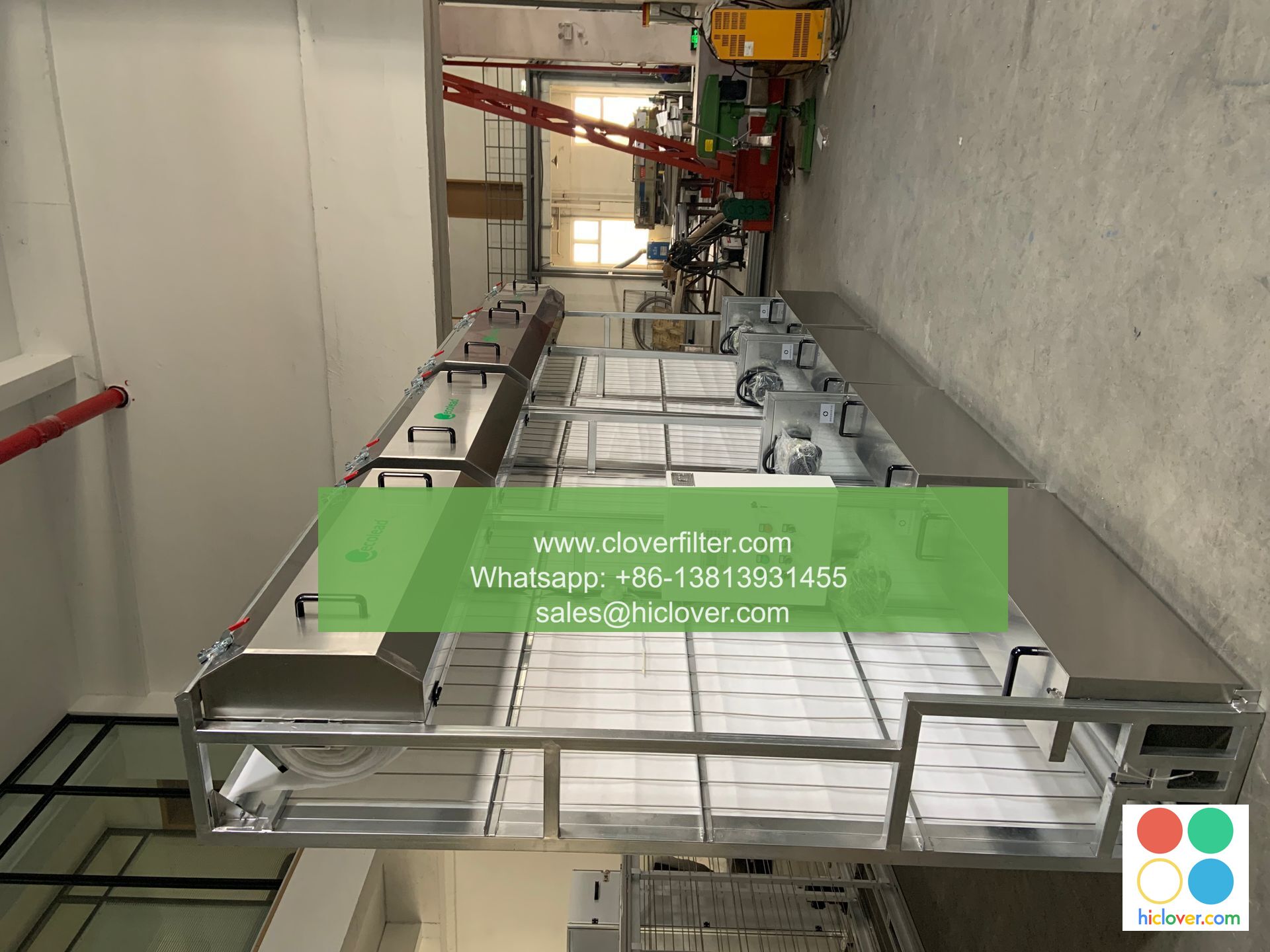
Automatic roll air filters consist of a continuous roll of filter media that can be adjusted based on the specific airflow needs of the data center. Unlike traditional static filters, these systems can automatically replace used portions of the filter material, minimizing downtime and maintenance requirements. This modern approach dramatically reduces human intervention and allows for consistent air quality management.

Benefits of Advanced Filter Technology
- Efficiency: With automatic filters, data centers can maintain optimal airflow rates while ensuring high standards of cleanliness.
- Cost-Effective Maintenance: Automatic systems reduce the need for manual filter changes, thereby decreasing labor costs and improving overhead efficiency.
- Enhanced Monitoring: Advanced technology allows for real-time monitoring of air quality, enabling proactive adjustments that maintain ideal conditions.
- Environmental Sustainability: By optimizing energy usage and reducing waste, these systems contribute to more eco-friendly data center operations.
Conclusion
The future of Markham’s data center cleanrooms lies in the continued advancement of air filtration technology. The introduction of automatic roll air filters not only addresses the ever-increasing demands for cleanliness and efficiency but also aligns with sustainability goals. Data centers that leverage these innovations will not only enhance operational performance but also maintain their competitive edge in an increasingly data-driven economy. As we look to the future, embracing such technological advancements will be vital for sustaining the integrity and reliability of our data ecosystems.
FAQs
What is a cleanroom?
A cleanroom is a controlled environment designed to limit the introduction, generation, and retention of airborne particles, ensuring high standards of cleanliness for sensitive processes like data management.
Why is air quality important in data centers?
Maintaining high air quality is crucial in data centers to avoid hardware failures, data loss, and operational downtime caused by contaminants like dust or microorganisms.
What are the advantages of automatic roll air filters?
Automatic roll air filters provide continuous operation with reduced maintenance needs, improved efficiency, and the capacity for real-time air quality monitoring, contributing to overall operational cost savings.
How can I assess the cleanliness of my cleanroom?
Cleanliness can be assessed via air quality testing, frequently measured by particulate counts, which determine the cleanroom’s conformity to ISO standards.
