Biotechnology Cleanroom Maintenance in Montreal: The Importance of Regular Automatic Roll Air Filter Maintenance
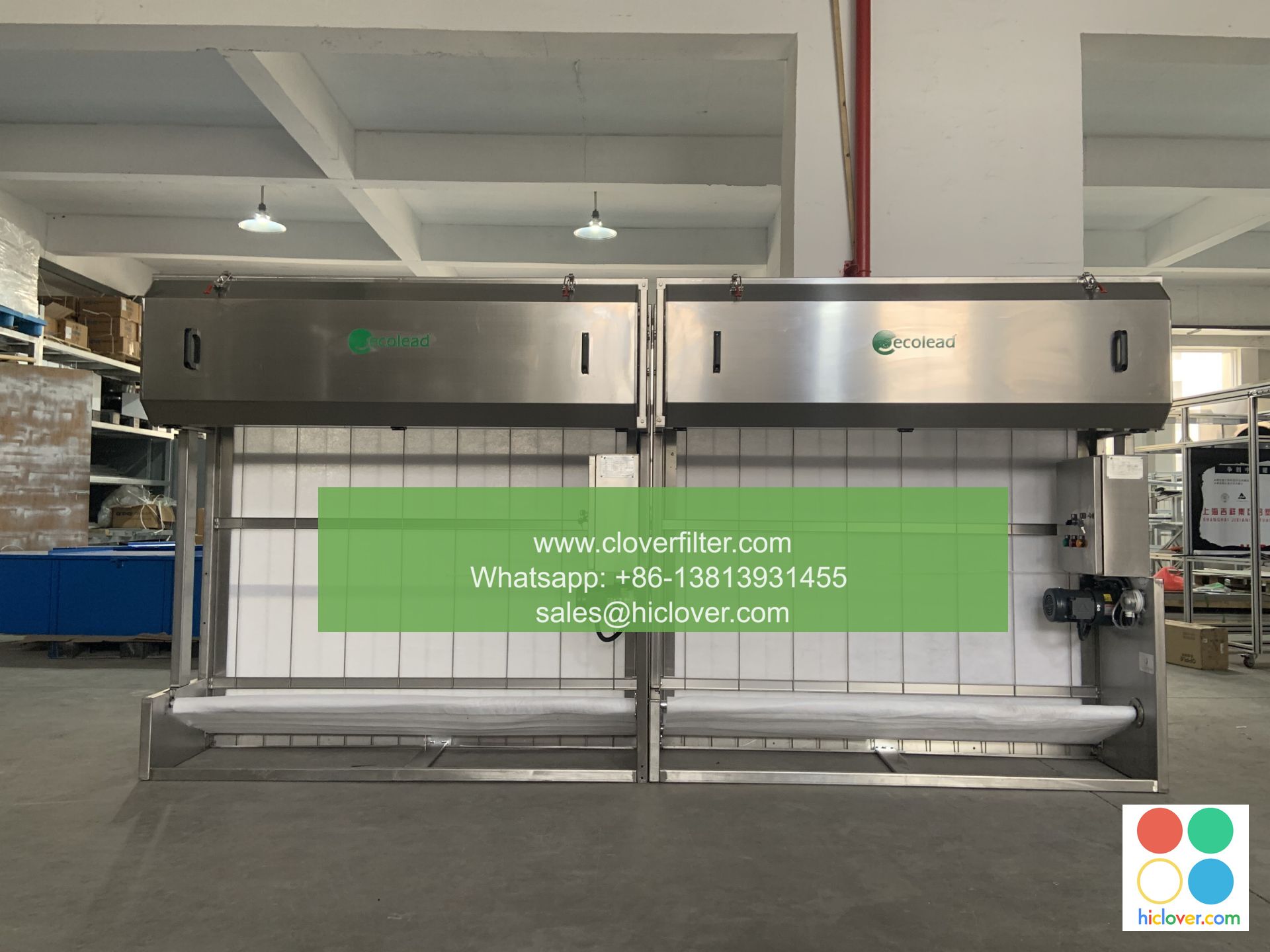
Introduction

In the rapidly advancing field of biotechnology, maintaining a cleanroom environment is pivotal for ensuring product quality and compliance with regulatory standards. Cleanrooms are designed to control contamination and are critical in various sectors, notably pharmaceuticals, medical devices, and biological research. In Montreal, the biotechnology industry is flourishing, and with that, the significance of effective cleanroom maintenance, including the vital role of automatic roll air filters, cannot be overstated.
The Role of Cleanrooms in Biotechnology
Cleanrooms play a crucial role in controlling airborne particles, temperature, humidity, and pressure in biotechnology processes. These controlled environments minimize contamination that can compromise sensitive biological processes. Cleanrooms have stringent standards regarding air cleanliness, and the integrity of these standards relies heavily on proper maintenance and servicing of air filtration systems.
Importance of Automatic Roll Air Filters

Automatic roll air filters facilitate the removal of particulate matter from the air entering cleanrooms. These filters are essential in maintaining the cleanliness levels required for compliant operations. In biotechnology, even minute contamination can lead to significant impacts on research outcomes, product efficacy, and safety.
Efficiency and Performance
Regular maintenance of automatic roll air filters is necessary to ensure they work at peak efficiency. Over time, filters can become clogged with dust, spores, and other particulates, leading to decreased airflow and increased energy consumption. As a result, routine inspections and maintenance can prevent failures that could compromise the cleanroom environment, leading to costly downtimes and product loss.
Compliance and Regulations
Regulatory bodies such as the FDA and Health Canada impose strict guidelines regarding cleanroom operations in biotechnology. Failure to comply due to inadequate air filtration maintenance can result in severe penalties, including fines and forced shutdowns. Regular automatic roll air filter maintenance is necessary not only for the operational efficiency of cleanrooms but also for meeting these regulatory requirements.
Best Practices for Maintenance
To ensure the effectiveness of automatic roll air filters in biotechnology cleanrooms, organizations in Montreal should adhere to the following best practices:
- Scheduled Maintenance: Establish a maintenance schedule that includes regular inspections and replacements of filters based on their lifecycle and usage.
- Monitoring System: Implement a monitoring system that tracks airflow rates, filter pressure drops, and airborne particle counts to identify when maintenance is required.
- Documentation: Keep accurate logs of maintenance activities and filter changes for compliance and quality control audits.
- Professional Services: Engage professional cleanroom maintenance services to ensure that all systems are compliant and functioning correctly.
Conclusion
In summary, regular automatic roll air filter maintenance is fundamental to the integrity of cleanroom operations within the biotechnology sector in Montreal. This maintenance not only prolongs the lifespan of cleanroom equipment but also ensures compliance with industry standards, reduces contamination risks, and enhances operational efficiency. With the growing biotechnology landscape, prioritizing cleanroom maintenance will be essential for companies aiming to remain competitive and uphold quality standards.
FAQs
Q1: How often should automatic roll air filters be replaced?
A1: The replacement frequency depends on factors like cleanroom usage, particle load, and specific manufacturers’ recommendations. Generally, filters should be inspected quarterly and replaced every 6 to 12 months.
Q2: What are the benefits of hiring professional maintenance services?
A2: Professional maintenance services offer expertise, ensure compliance with regulations, and can provide a comprehensive maintenance plan tailored to the specific needs of the cleanroom.
Q3: Can inadequate maintenance affect research outcomes?
A3: Yes, inadequate maintenance can lead to contamination, which may skew research results, lead to product recalls, and compromise patient safety in pharmaceutical applications.
