Air Filter Groups: A Simple Solution to Indoor Air Quality Issues
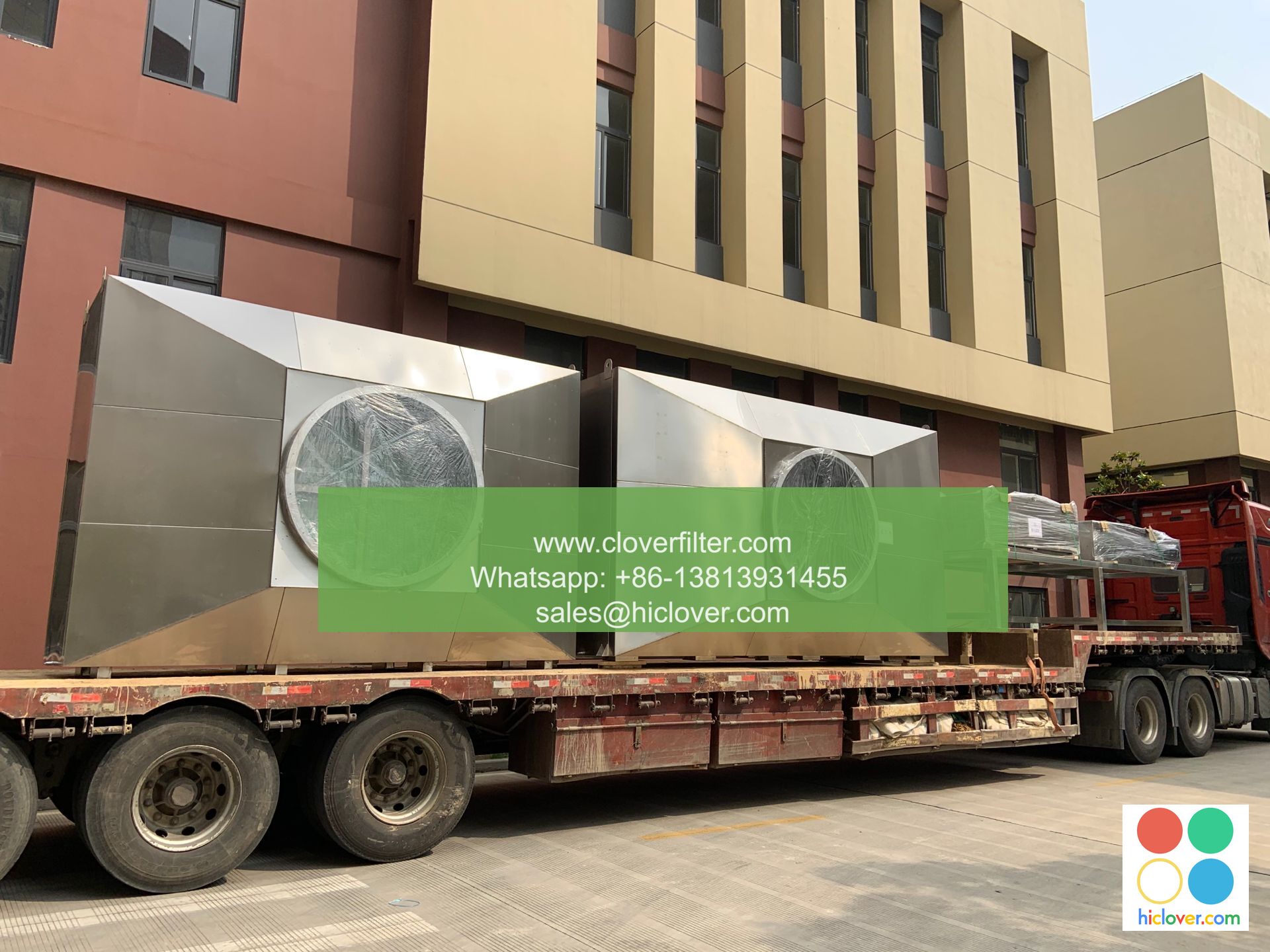
In recent years, the increasing awareness of indoor air quality (IAQ) has prompted a surge in interest regarding air filtration systems. Among various solutions, air filter groups have emerged as a simple yet effective answer to combatting pollutants and allergens within our homes, offices, and other enclosed spaces.
What are Air Filter Groups?

Air filter groups refer to sets of air filters designed to work collaboratively within a ventilation or HVAC system. These filters are strategically placed to capture a range of airborne particles, including:
- Dust and pollen
- Pet dander
- Smoke and odors
- Mold spores
- Volatile Organic Compounds (VOCs)

By utilizing multiple filters that specialize in different types of pollutants, air filter groups enhance the overall efficiency and effectiveness of the air purification process.
Benefits of Using Air Filter Groups
- Improved Indoor Air Quality: By targeting various contaminants, air filter groups significantly reduce the presence of harmful particles in the air.
- Energy Efficiency: Properly maintained air filters can lead to lower energy bills as they help HVAC systems operate more efficiently.
- Longevity of HVAC Systems: Cleaner air results in less strain on heating and cooling units, extending their lifespan.
- Allergy and Asthma Relief: Improved filtration can alleviate symptoms associated with allergies and respiratory issues caused by poor air quality.
Applications of Air Filter Groups
Air filter groups are versatile and can be applied across various settings, making them an indispensable asset in promoting better indoor air quality. Here are a few key application areas:
Residential Use
In homes, especially in urban areas or near industrial sites, using air filter groups can significantly enhance the quality of indoor air, providing a healthier living environment for families. This is particularly crucial for homes with children, elderly individuals, or anyone with pre-existing health conditions.
Commercial Spaces
Offices, retail stores, and other commercial environments can benefit from air filter groups by creating a pleasant atmosphere for employees and customers alike. Enhanced air quality can lead to improved employee productivity and customer satisfaction.
Healthcare Facilities
Hospitals and clinics require exceptional air quality to prevent infections and ensure patient safety. Air filter groups are particularly effective in these environments, where airborne pathogens and contaminants pose significant risks.
Industrial Applications
Manufacturing and industrial facilities often deal with various pollutants and airborne particulates. Implementing air filter groups can mitigate the health risks associated with poor air quality, safeguarding the well-being of employees.
Conclusion
As we continue to prioritize our health and well-being, investing in air filter groups stands out as a proactive approach to improving indoor air quality. Whether in residential homes, bustling offices, medical facilities, or industrial settings, these systems offer a simple and effective solution to combat indoor air quality issues. By ensuring cleaner air, we can contribute to healthier living and working environments for everyone.
It looks like you might want to provide a specific prompt or ask a question! Please share what you’re thinking, and I’ll do my best to assist you.
