The Importance of Regular Maintenance for St. John’s Hospital’s Automatic Roll Air Filter System
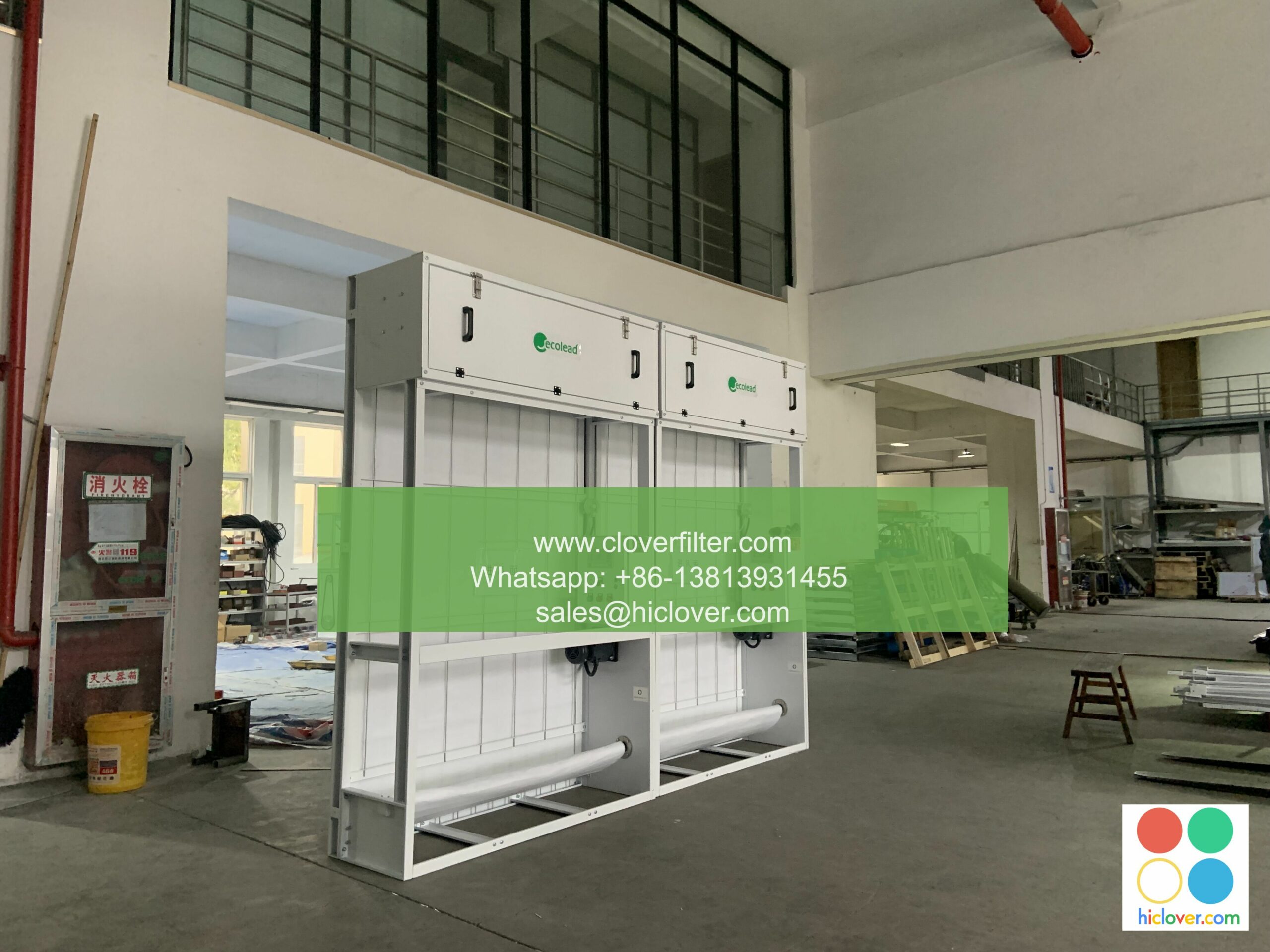
Regular maintenance of the Automatic Roll Air Filter System at St. John’s Hospital is crucial for various reasons, including ensuring the quality of indoor air, enhancing operational efficiency, and safeguarding the health of patients and staff. The air quality within healthcare environments directly influences the overall patient experience and recovery process. Given that hospitals are home to individuals with compromised immune systems, maintaining a high standard of air quality becomes a non-negotiable aspect of healthcare.

The Automatic Roll Air Filter System is designed to efficiently manage air circulation and filtration, which minimizes the presence of airborne pathogens, dust, and allergens. However, like any mechanical system, it requires consistent upkeep to function at its best. Neglecting maintenance can lead to a decrease in performance and a subsequent rise in airborne contaminants, which poses risks to the vulnerable patients within the hospital.
Enhancing Operational Efficiency
Regular maintenance checks and filter replacements ensure that the system operates at optimal efficiency. Clogged filters can impede airflow, forcing the system to work harder, leading to increased energy consumption and potentially shorter life expectancy. By investing in routine service, St. John’s Hospital can lower operational costs while ensuring that energy-efficient practices align with the institution’s environmental stewardship goals. This translates into significant cost savings over time, thus allowing for reallocation of resources to other essential services within the hospital.
Protecting Patient and Staff Health
The health of patients and staff is of paramount importance in any healthcare setting. Regular maintenance of the air filter system prevents the spread of airborne diseases, potentially reducing infection rates. For hospitals, this is not just beneficial; it is essential. Healthcare-associated infections (HAIs) continue to be a significant concern, and an effective air filtration system plays an integral role in minimizing these risks.
Furthermore, maintaining an effective air quality management system reduces respiratory irritants and allergens, contributing to the comfort and wellbeing of patients, visitors, and healthcare professionals alike. Staff members, who often work long hours in close proximity to patients, must also benefit from clean air to remain healthy and productive.
Compliance with Regulations
Compliance with health and safety regulations is another critical factor for hospitals. Many healthcare facilities are subject to stringent regulations that govern air quality standards. Failing to adhere to these regulations can lead to penalties, operational shut-downs, or even legal repercussions. Regular maintenance of the Automatic Roll Air Filter System helps St. John’s Hospital stay compliant, ensuring that the hospital meets all mandatory health regulations and keeps patients and staff safe.
Conclusion
Regular maintenance of the Automatic Roll Air Filter System at St. John’s Hospital is not merely a recommendation; it is a necessity. It ensures that the hospital provides a safe, efficient, and health-promoting environment for all its occupants. By safeguarding air quality, enhancing operational efficiency, and complying with regulations, routine maintenance becomes a vital practice integral to patient care and institutional integrity. Dedication to this maintenance not only protects the health of all individuals within the hospital but also reflects St. John’s Hospital’s commitment to excellence in patient care and operational excellence.
FAQs
- What are the main signs that the air filter system needs maintenance?
- Common signs include reduced airflow, unusual noises from the system, and an increase in the levels of dust or allergens within the hospital environment.
- How often should the air filter system undergo maintenance?
- It is generally recommended that air filter systems be inspected at least twice a year, but frequency may increase based on usage and environmental factors.
- What types of maintenance tasks are typically performed?
- Tasks include replacing filters, cleaning components, checking for system leaks, and ensuring that the system is calibrated correctly for optimal performance.
- Can insufficient maintenance lead to health issues?
- Yes, poor air quality due to ineffective filtration can lead to respiratory issues, exacerbation of allergies, and higher infection rates within the hospital environment.
