The Benefits of Air Filters for Reducing Allergies and Respiratory Problems
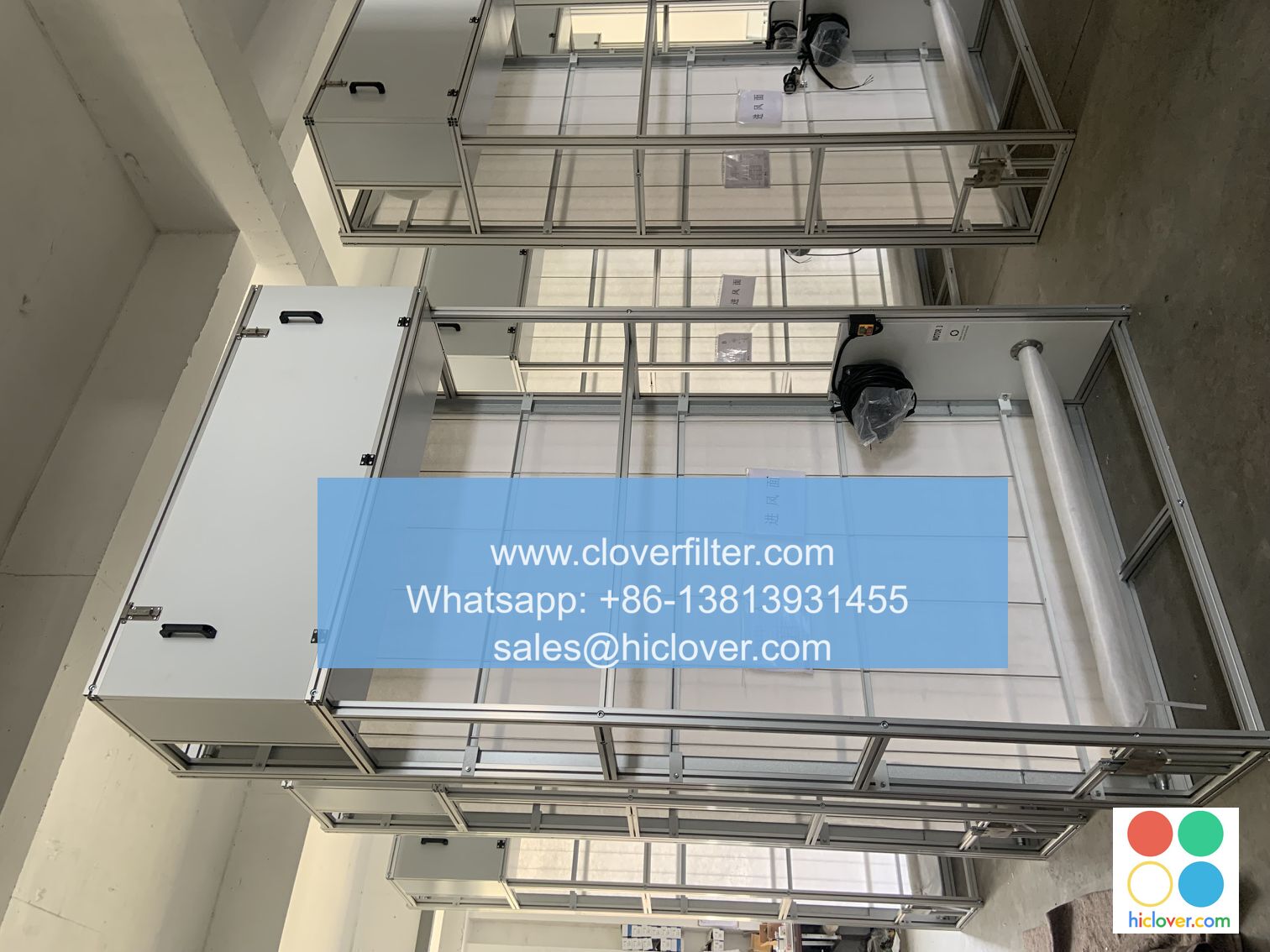
In our increasingly polluted world, the importance of clean air cannot be overstated. Air filters play a crucial role in improving air quality, particularly for individuals suffering from allergies and respiratory problems. By understanding the benefits of air filters and their various applications, we can make informed decisions to enhance our living and working environments.
What Are Air Filters?
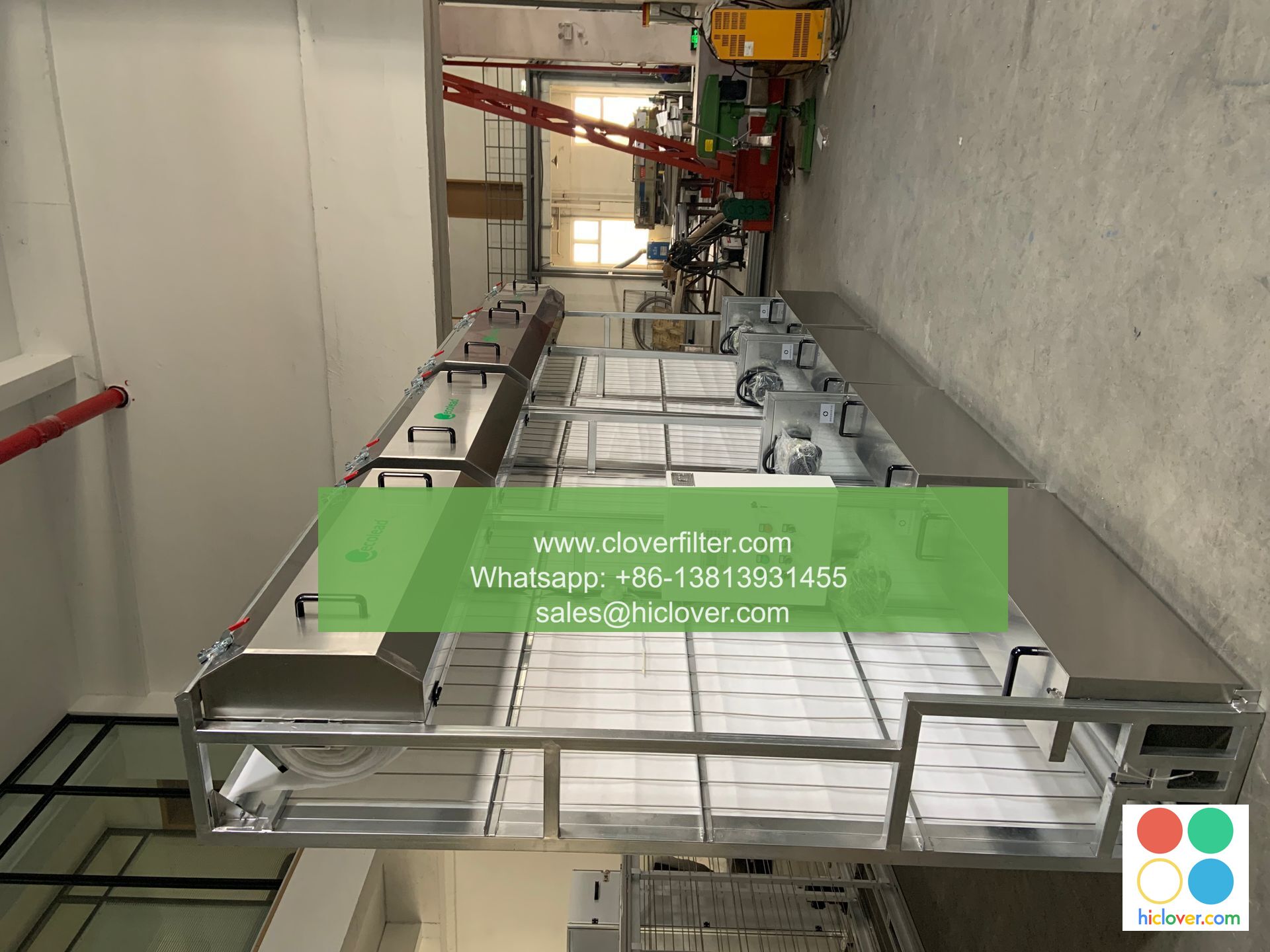
Air filters are devices designed to trap particles, pollutants, and allergens present in the air. They can be installed in heating, ventilation, and air conditioning (HVAC) systems, or used as standalone units in homes, offices, and other spaces. Different types of air filters utilize various technologies, including HEPA (High-Efficiency Particulate Air), activated carbon, and UV light, to reduce harmful airborne contaminants.
1. Reduction of Allergens
One of the primary benefits of air filters is their ability to reduce allergens in indoor air. Common allergens such as pollen, dust mites, pet dander, and mold spores can trigger allergic reactions in sensitive individuals. HEPA filters, for instance, can capture up to 99.97% of such small particles, ensuring cleaner air and fewer allergic reactions.
Application: Homes with Pets
If you have pets in your home, investing in air filters can significantly improve air quality. Pet dander, hair, and other allergens from animals can be effectively trapped, leading to a healthier and more comfortable living environment.
2. Improvement of Respiratory Health
For individuals with asthma, chronic obstructive pulmonary disease (COPD), or other respiratory issues, air filters can be life-changing. By removing irritants like smoke, dust, and mold, air filters can help reduce the frequency and severity of asthma attacks and other respiratory issues.
Application: Hospitals and Healthcare Facilities
In medical environments, air quality is paramount. Hospitals utilize advanced air filtering systems to minimize airborne pathogens, protect vulnerable patients, and maintain a sterile environment. Using air filters in such settings not only safeguards health but also promotes recovery.
3. Odor Removal and Chemical Filtration
Apart from allergens and particles, air filters can also tackle odors and chemical pollutants. Activated carbon filters are designed to absorb unpleasant smells, volatile organic compounds (VOCs), and harmful chemicals, ensuring that the air remains fresh and safe to breathe.
Application: Commercial Spaces
In offices and commercial spaces, it’s essential to maintain a pleasant working atmosphere. Air filters can effectively eliminate odors from cooking, chemicals, and other sources, contributing to improved productivity and employee satisfaction.
4. Enhanced Energy Efficiency
High-quality air filters contribute to the overall efficiency of HVAC systems. By keeping air ducts clean and allowing for better airflow, air filters reduce the workload on heating and cooling systems. This not only lowers energy consumption but also extends the lifespan of HVAC equipment.
Application: Eco-friendly Environments
For those aiming to create a sustainable and eco-friendly environment, using energy-efficient air filters is a step in the right direction. They contribute to lower energy costs and a reduced carbon footprint, promoting environmental responsibility.
Conclusion
Investing in a good quality air filter offers multiple benefits, especially for those suffering from allergies and respiratory problems. From reducing allergens and improving respiratory health to enhancing energy efficiency, air filters play an indispensable role in maintaining indoor air quality. By considering their applications in various settings—homes, hospitals, and commercial spaces—we can create healthier environments for everyone.
In conclusion, choosing the right air filter not only improves air quality but also enhances overall well-being. Make the investment today for a cleaner tomorrow!
Sure! What kind of prompt are you looking for? It could be for writing, art, discussion, or something else entirely. Please provide some more details!
