The Role of Automatic Roll Air Filters in Boeing’s Cleanroom Certification Process
Introduction to Cleanroom Standards at Boeing

Boeing, a leader in aerospace innovation, recognizes the critical importance of maintaining stringent cleanroom standards. Cleanrooms are controlled environments essential for manufacturing aircraft components, ensuring that particulate contamination is minimized. This is where automatic roll air filters play a pivotal role in the cleanroom certification process.
Understanding Automatic Roll Air Filters
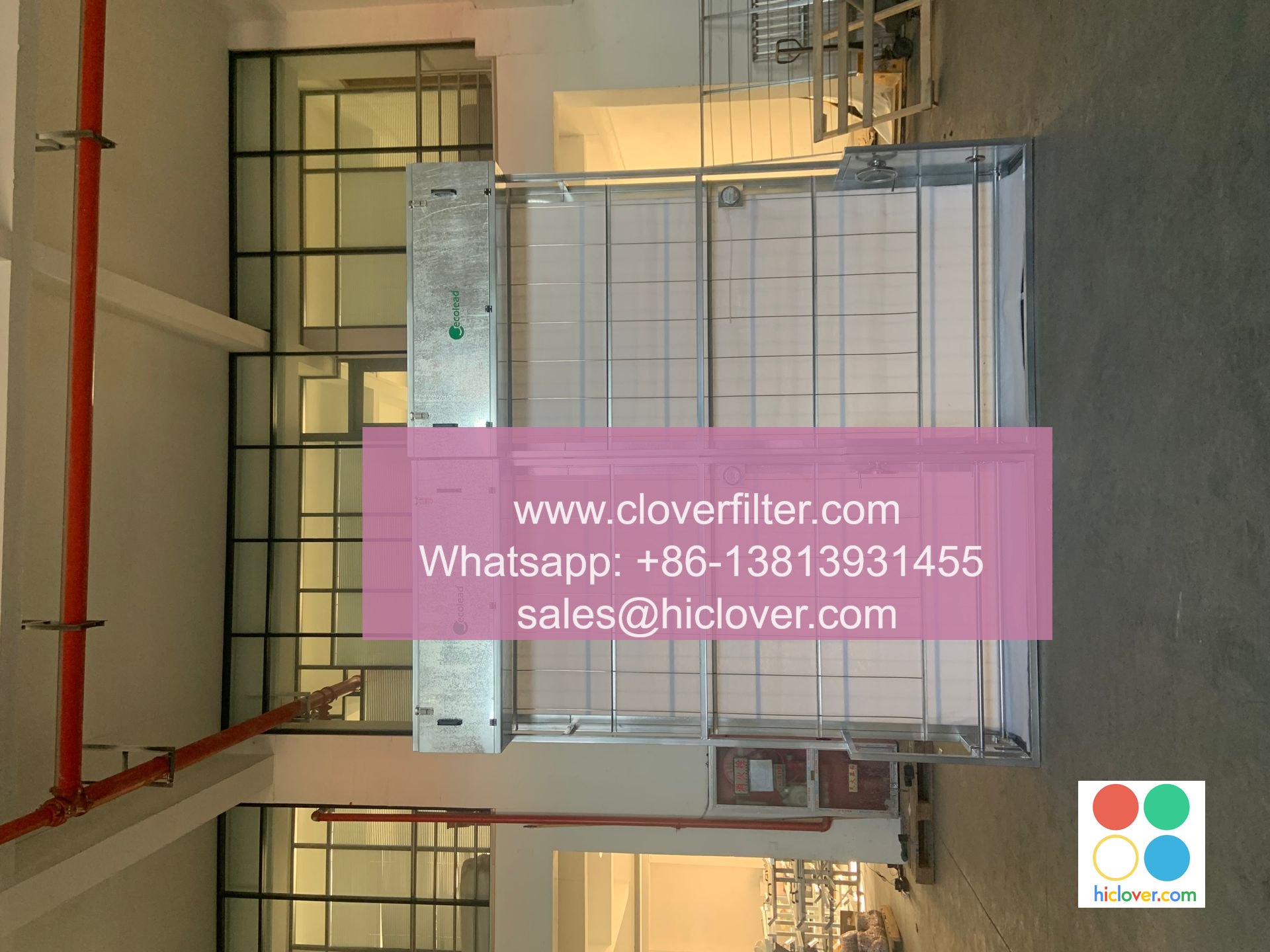
Automatic roll air filters are advanced filtration systems that continuously clean the air in a facility. These filters use a roll-to-roll mechanism to ensure a fresh filter surface is always in place, reducing the frequency of manual replacements and minimizing downtime. By automatically advancing the filter material, these systems maintain air quality without disrupting the production process.
The Importance of Air Quality in Cleanrooms
In the aerospace industry, especially in facilities like Boeing, air quality is paramount. Contaminants such as dust, microorganisms, and chemical vapors can compromise the integrity of sensitive components. Cleanrooms are classified based on the number of particles allowed per cubic meter of air, and air filters are a linchpin in achieving these classifications. Automatic roll air filters enhance air quality by:
- Providing continuous filtration to control particulate levels.
- Effectively managing airflow and pressure differentials.
- Ensuring compliance with ISO standards for cleanroom environments.
Integration in the Certification Process
For Boeing, the cleanroom certification process involves rigorous testing and validation of air quality. Automatic roll air filters support this certification by:
- Monitoring Airborne Particles: Filters are equipped with sensors to monitor particle counts in real-time, providing data for compliance checks.
- Maintaining Constant Airflow: Proper airflow is necessary to avoid pressure drops, which can lead to contamination. The self-adjusting nature of these filters ensures optimal conditions.
- Facilitating Faster Certifications: The automation of filter replacement and monitoring speeds up the certification process, enabling quicker transitions from one phase of production to the next.
Applications Beyond Aerospace
While Boeing exemplifies the critical use of automatic roll air filters in cleanrooms, these filtration systems have applications across various industries:
- Pharmaceutical Manufacturing: Keeps environments free of contaminants that could affect drug purity.
- Electronic Component Production: Protects sensitive electronic parts from airborne debris.
- Biotechnology: Ensures sterile conditions for lab experiments and product development.
Future Perspectives
As technology advances, the role of automatic roll air filters is expected to expand. Innovations in smart filtration systems, enhanced monitoring capabilities, and integration with IoT will further enhance cleanroom efficacy. Air filters will continue to be vital in meeting increasingly stringent cleanroom standards across all sectors, including aerospace.
