How Air Filter Teams Can Help Improve Student Health and Well-being
In recent years, concerns about air quality within educational environments have risen significantly. Many schools are turning to air filter teams to ensure that students are learning in healthy and safe environments. This article discusses the crucial role that air filter teams play in enhancing student health and well-being.
The Importance of Clean Air in Schools
Students spend a large portion of their day in classrooms where the air quality can heavily influence not just their health but also their academic performance. Poor air quality is linked to a range of issues including respiratory illnesses, allergies, and even cognitive impairments. Air filter teams are essential in combating these issues through proactive measures and effective solutions.
Key Roles of Air Filter Teams
1. Assessing Air Quality
Air filter teams begin their work by conducting comprehensive assessments of indoor air quality (IAQ). Utilizing state-of-the-art technology, they measure various pollutants including:
- Particulate matter (PM)
- Volatile organic compounds (VOCs)
- Carbon dioxide (CO2) levels

This assessment allows them to identify specific issues and tailor their interventions accordingly.
2. Implementing Advanced Air Filtration Systems
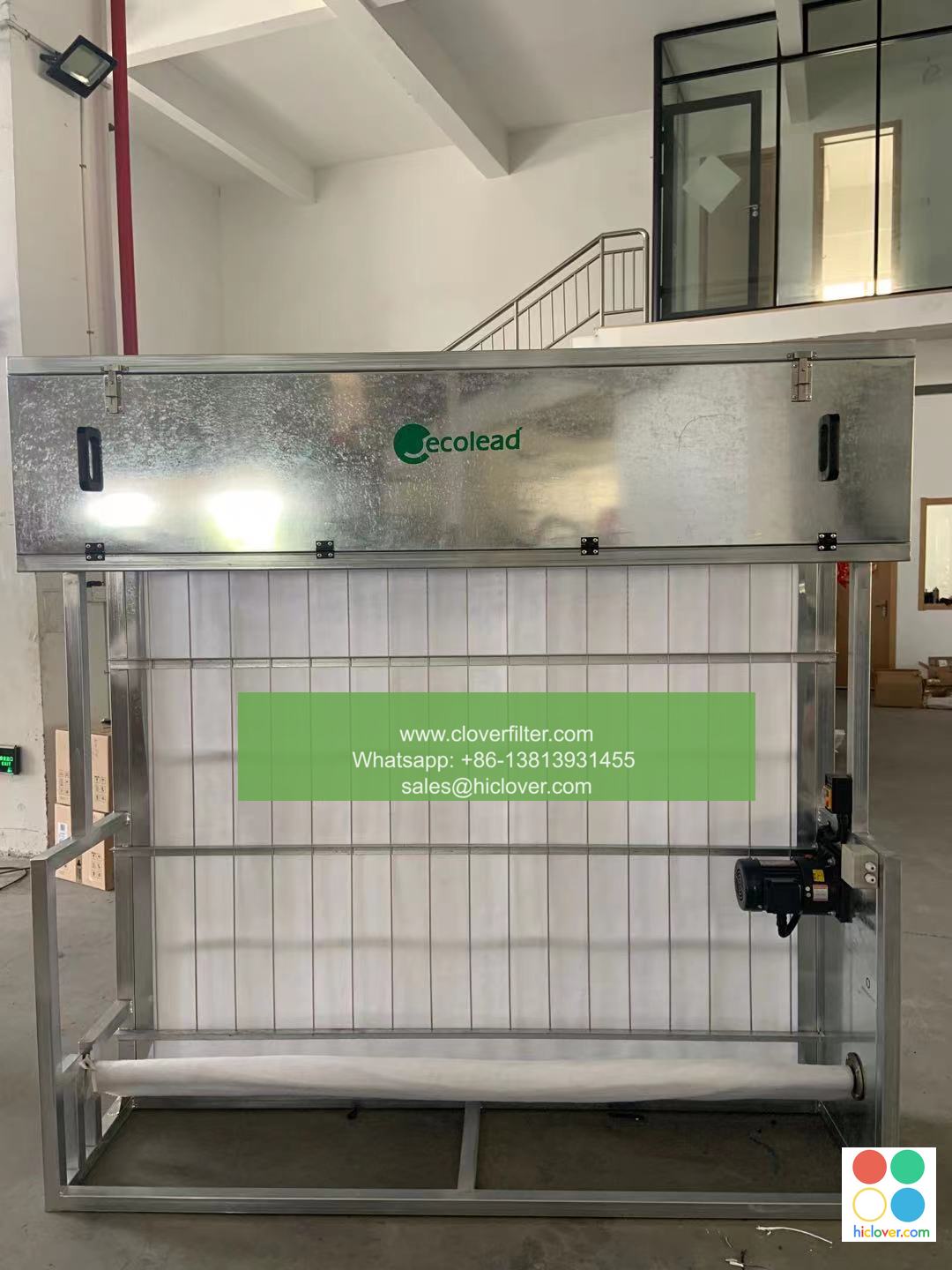
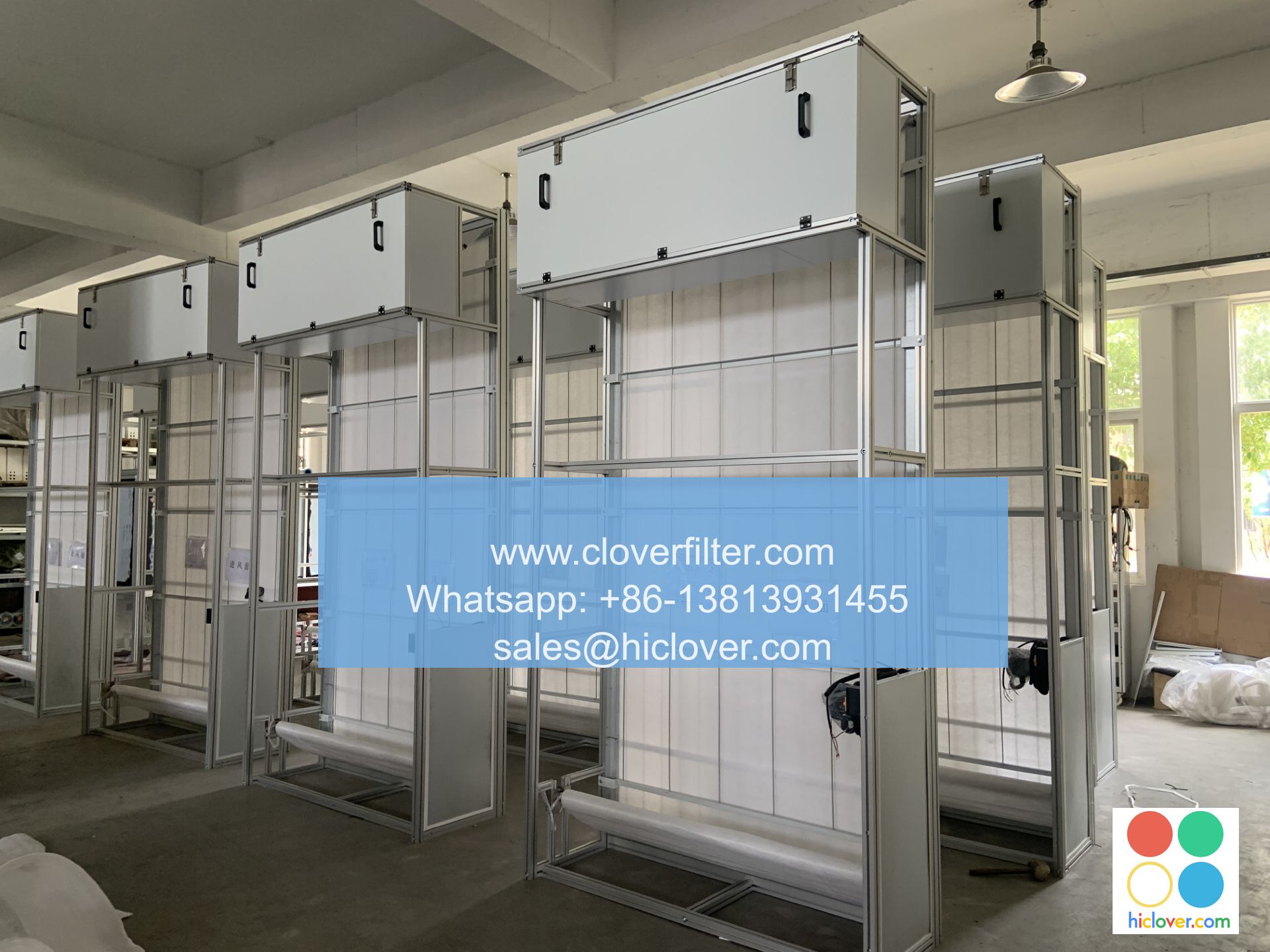
Once an assessment is completed, air filter teams can implement advanced air filtration systems designed to capture a wide range of airborne particles. High-efficiency particulate air (HEPA) filters and activated carbon filters are popular choices due to their ability to eliminate allergens, dust, mold spores, and other harmful agents. This helps to create a healthier learning environment.
3. Regular Maintenance and Monitoring
Beyond installation, air filter teams are responsible for the regular maintenance and monitoring of these systems. This ensures that filters are clean and effective, significantly reducing the chances of air quality deterioration over time.
4. Educating Staff and Students
Education is a vital part of the air filter teams’ efforts. They often conduct workshops and presentations to inform staff and students about the importance of air quality and the role that proper ventilation and air filtration play in maintaining it. This knowledge empowers students to take part in their own health and well-being.
Application Areas of Air Filter Teams
1. Classrooms
Classrooms are where students spend most of their time. Air filter teams focus extensively on this area to ensure that the air students breathe is clean, thus promoting better concentration and learning outcomes.
2. Cafeterias
Air quality in cafeterias can be compromised by cooking odors and airborne pathogens. Air filter teams work to install systems that maintain a clean atmosphere, ensuring that students enjoy meals in a safe environment.
3. Libraries
Libraries are crucial for quiet study sessions and extensive reading. Air filter teams ensure these spaces are kept free of dust and allergens, thus supporting students’ reading and studying efforts.
4. Sports Facilities
Gyms and sports facilities can have particular air quality challenges, especially concerning humidity and mold. Air filter teams implement solutions tailored to these challenges, ensuring a safe environment for physical activities.
The Bottom Line
In today’s educational landscape, prioritizing student health and well-being begins with ensuring high-quality air. Air filter teams play a pivotal role in creating environments where students can thrive academically and physically. By assessing air quality, implementing advanced filtration systems, and educating the community, these teams contribute significantly to a holistic approach to student health.
By investing in air filter teams, schools take a proactive stance towards ensuring a healthier future for their students – one breath at a time.
It looks like you may have wanted to share a prompt or request assistance with something specific. Could you please provide more details or clarify what you need help with?
