The Science Behind Air Filter Adsorption and Absorption: A Tutorial
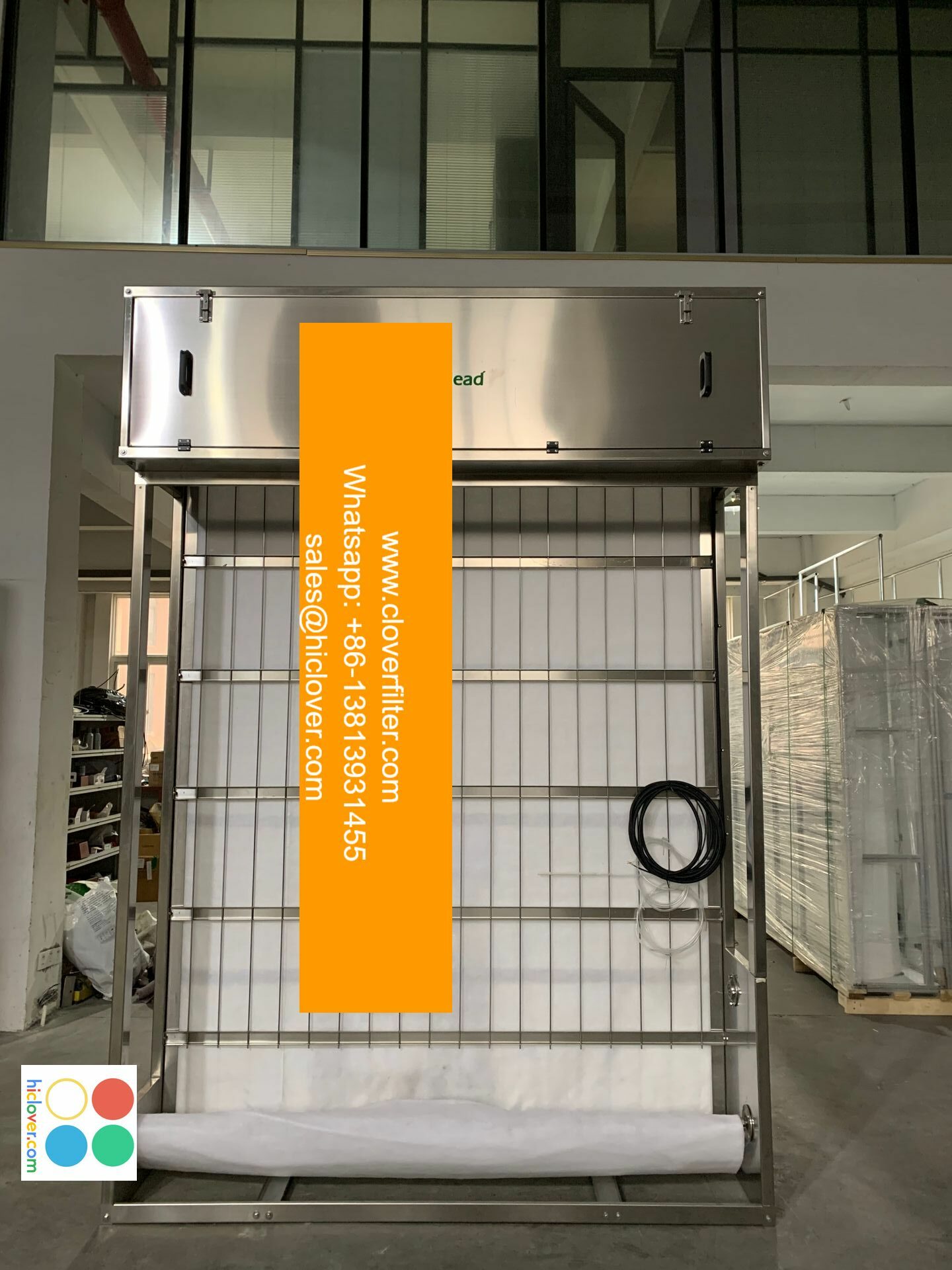
Air quality significantly affects our health, comfort, and overall well-being. This article aims to explain the science behind air filter technologies, focusing on the processes of adsorption and absorption, providing a tutorial that showcases their importance in various application areas.
Understanding Adsorption and Absorption

While both terms relate to the way substances interact with materials, they describe different processes:
- Adsorption: This is the process where atoms, ions, or molecules from a gas or liquid adhere to a surface. In the context of air filters, pollutants or odor particles cling to the filter material, forming a thin layer on its surface.
- Absorption: In contrast, absorption involves the entire uptake of a substance (like gas or liquid) by another substance. In air filters, pollutants are taken into the filter material, rather than just attaching to its surface.
The Role of Air Filters
Air filters are commonly employed in numerous environments, including home air purifiers, industrial exhaust systems, and automotive systems. Their primary function is to improve air quality by removing harmful contaminants. Here, understanding the distinction between adsorption and absorption is crucial as different types of air filters utilize these processes in unique ways.

Different Types of Air Filters
Various types of air filters leverage adsorption and absorption effectively:
- HEPA Filters: High-Efficiency Particulate Air (HEPA) filters primarily rely on adsorption for capturing airborne particles such as dust, pollen, and pet dander, ensuring cleaner air.
- Activated Carbon Filters: These filters utilize adsorption to capture volatile organic compounds (VOCs), smoke, and unpleasant odors due to their porous structure, which increases the surface area for contaminants to cling to.
- Electrostatic Filters: These filters create static electricity that attracts particles, functioning through adsorption, effectively cleaning indoor air.
- Moisture Control Filters: In industrial settings, filters absorbing moisture can prevent corrosion and damage to systems, showcasing the role of absorption.
Application Areas
The applications of air filtration technologies are vast and varied:
Residential and Commercial Spaces
In homes and offices, air filters contribute to healthier environments by reducing allergens, pollutants, and pathogens. This creates spaces that promote well-being and productivity, demonstrating the importance of both adsorption and absorption.
Industrial Applications
In industries such as manufacturing, chemical processing, and food production, air filters play a critical role in maintaining air quality and ensuring compliance with health standards. Here, absorption technologies can be vital in controlling emissions and eliminating harmful fumes.
Automotive Industry
In vehicles, air filters are essential for the engine’s performance and the passenger cabin’s air quality. They use both adsorption and absorption processes to filter harmful particles and maintain a clean environment during operation.
Healthcare Facilities
Hospitals and clinics rely on advanced air filtration systems to eliminate airborne pathogens and support infection control, showcasing the critical impact of air filter technologies in safeguarding public health.
Conclusion
Understanding the science behind adsorption and absorption in air filter technology is essential not only for improving air quality but also for making informed choices in various settings. The advancements in these technologies continue to evolve, pushing the boundaries of efficiency and effectiveness in maintaining clean and safe air.
It seems like you entered “Prompt.” Could you please provide more details or specify what kind of prompt you are looking for? Are you looking for writing prompts, discussion topics, or something else?
