Air Filter Organizations’ Response to Air Quality Concerns in Residential Buildings
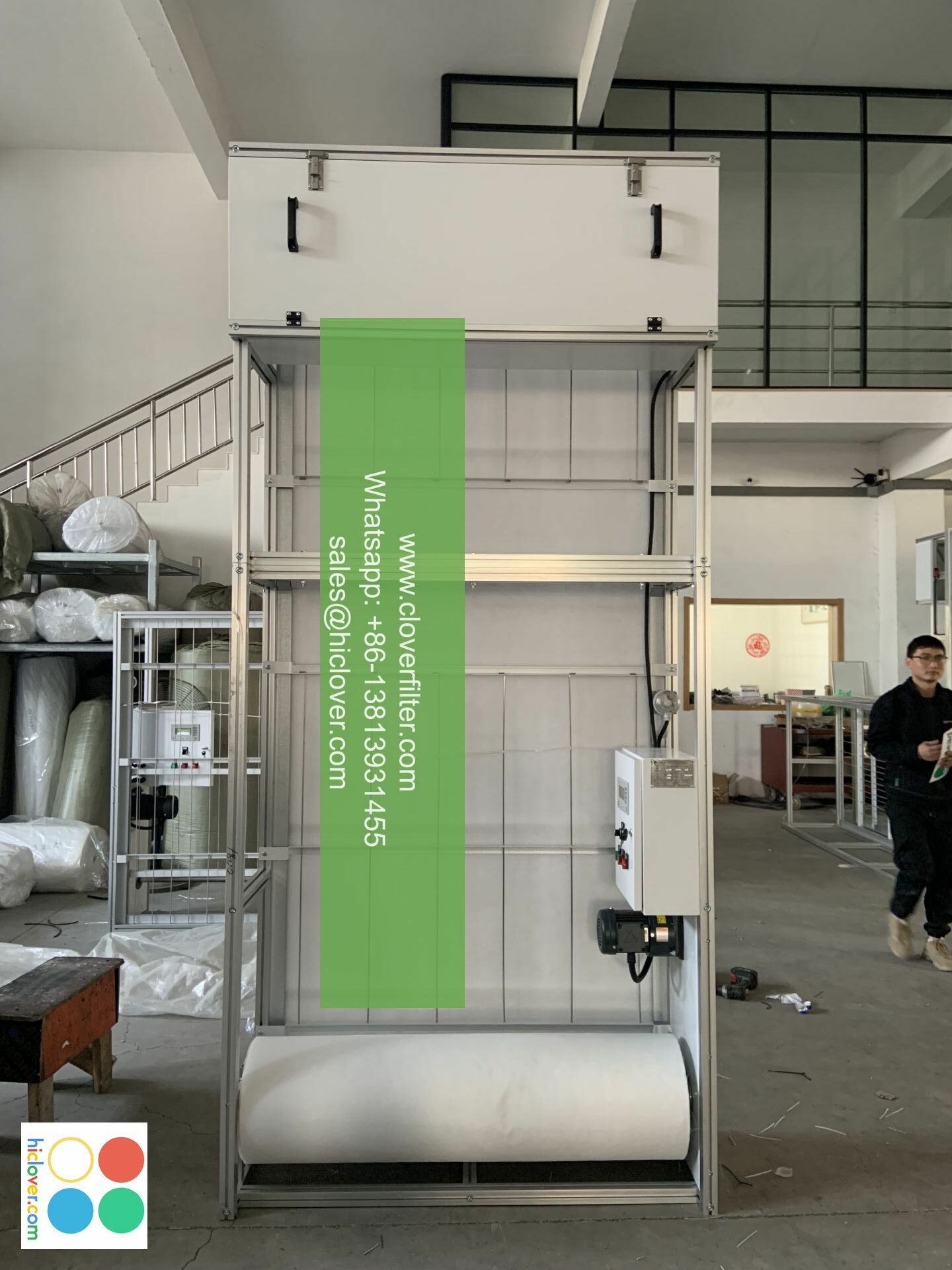
In recent years, the importance of air quality in residential buildings has gained significant attention. Various factors, including pollution, allergens, and chemical contaminants, have prompted air filter organizations to enhance their strategies in addressing these concerns. This article explores how these organizations are responding to air quality issues in residential settings, highlighting various application areas and the significance of air filtration systems.
Understanding the Importance of Air Quality

Air quality directly impacts the health and well-being of individuals living in residential buildings. Poor air quality can lead to respiratory issues, allergies, and other health problems. Therefore, addressing air quality concerns has become essential for homeowners and tenants alike. Air filter organizations are at the forefront of these efforts, providing solutions that improve indoor air quality (IAQ) and overall health.
Innovative Air Filtration Solutions
HEPA Filters
One of the most effective tools in the fight against indoor air pollution is the High-Efficiency Particulate Air (HEPA) filter. Air filter organizations are investing in technology to develop advanced HEPA filters capable of capturing 99.97% of airborne particles, including dust, pollen, and pet dander. These filters are essential in households with allergies or asthma sufferers.
Activated Carbon Filters
In addition to HEPA filters, activated carbon filters play a crucial role in removing volatile organic compounds (VOCs) and odors from indoor environments. Residential areas often contain various sources of VOCs, including paint, cleaning products, and furniture. Air filter organizations have responded by creating hybrid filtration systems that combine HEPA and activated carbon technologies to provide comprehensive air purification.

Smart Air Quality Monitors
With the rise of smart home technologies, air filter organizations are integrating smart air quality monitors into their products. These devices provide real-time data on parameters such as particulate matter, humidity, and temperature. Homeowners can use this information to make informed decisions about ventilation and air filtration, ensuring optimal air quality in their residences.
Educational Initiatives and Community Engagement
Raising Awareness
Air filter organizations have recognized the need for education and awareness regarding indoor air quality. Many are launching campaigns to inform homeowners about the importance of maintaining good air quality and the role of air filters in achieving this goal. Workshops, online resources, and community outreach are just a few ways these organizations engage with the public.
Partnership with Environmental Organizations
Collaboration with environmental organizations has become a vital strategy for air filter organizations. By partnering with these groups, they can contribute their expertise in air filtration while gaining credibility and wider reach in addressing air quality concerns. Initiatives include joint research projects, community clean-up events, and the promotion of eco-friendly air filtration options.
Specialized Applications in Residential Buildings
High-Rise Buildings
High-rise residential buildings present unique challenges when it comes to air quality. Air filter organizations are developing tailored solutions for these structures, considering factors such as air circulation and vertical pollution transfer. Innovations like centralized air filtration systems are becoming more common in these settings to ensure clean air for all residents.
Multi-Family Housing
In multi-family housing units, shared air systems can lead to cross-contamination of air. Air filter organizations are focusing on developing individual filters for each unit, minimizing the risk of airborne diseases spreading between households. This approach enhances the health and comfort of residents in shared living situations.
Allergy-Friendly Homes
Air filter organizations are increasingly targeting allergy-friendly homes through specialized products. These include pet air purifiers, filter-equipped HVAC systems, and even purifying plants that contribute to better air quality. By offering tailored solutions, these organizations cater to homeowners seeking to mitigate allergy triggers effectively.
Conclusion
The response of air filter organizations to air quality concerns in residential buildings has been multifaceted and innovative. From advanced filtration technologies and smart monitoring systems to community engagement and specialized applications, these organizations are leading the charge in promoting healthier living environments. As awareness of indoor air quality continues to grow, the role of air filter organizations will remain essential in creating cleaner, safer residential spaces for everyone.
By prioritizing air quality, residents can enjoy the comfort of their homes, free from the burden of respiratory issues and allergic reactions. The ongoing collaboration between air filter organizations and communities will undoubtedly pave the way for improved indoor air quality standards in the coming years.
Could you please provide more details on what you’d like the prompt to be about? Are you looking for a story prompt, an art prompt, a writing exercise, or something else entirely? Let me know how I can assist you!
