The Benefits of Using Air Filters with Modular Designs for Easy Replacement
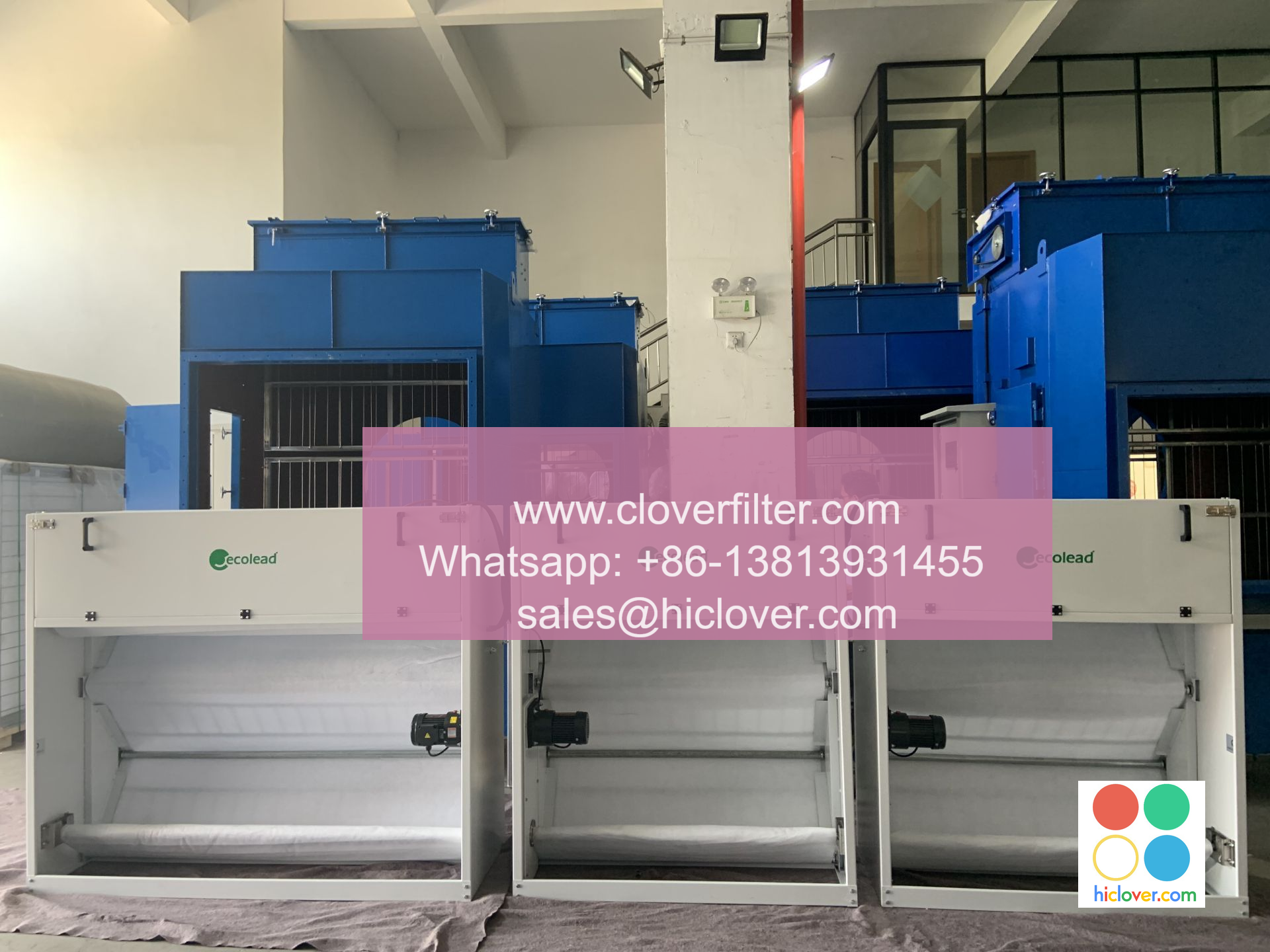

Introduction to Modular Air Filters
In today’s fast-paced world, maintaining clean air quality is paramount for both residential and commercial spaces. Modular air filters have emerged as a game-changer in airflow management systems, providing a range of benefits. Their unique designs allow for easy replacement, making them a preferred choice across various application areas such as homes, offices, industrial settings, and healthcare facilities.
Key Advantages of Modular Air Filters
1. Simplified Maintenance
One of the fundamental advantages of modular air filters is their ability to simplify maintenance. Unlike traditional filters that may require extensive disassembly, modular designs allow for swift and hassle-free replacement. This is especially beneficial in environments where air quality needs to be monitored closely, such as hospitals and laboratories.
2. Cost-Effectiveness
Incorporating modular air filters can lead to long-term cost savings. Their efficient design reduces the need for frequent replacements and minimizes energy consumption. Organizations can benefit from lower operational costs while maintaining a high standard of air quality.
3. Customizability
Modular air filters can be tailored to fit specific requirements. This makes them suitable for a wide range of applications, from residential HVAC systems to large-scale industrial ventilation systems. Building managers can choose the type and size of filters based on the desired air quality and environment, enhancing overall effectiveness.
4. Improved Air Quality
As air pollution levels continue to rise, it is critical to improve indoor air quality. Modular air filters are engineered to capture pollutants, allergens, and pathogens efficiently. This is particularly significant in settings like schools, where children are more susceptible to airborne illnesses.
Application Areas of Modular Air Filters
1. Residential Use
In homes, modular air filters contribute to cleaner indoor air, protecting families from allergens and pollutants. Their easy replacement features allow homeowners to maintain air quality without overwhelming costs or time commitments.
2. Commercial Spaces
Office buildings benefit from modular designs by ensuring HVAC systems run efficiently, providing a healthier workspace for employees. This not only enhances productivity but also reduces sick leave related to poor air quality.
3. Industrial Settings
In manufacturing and industrial environments, where dust and chemical emissions are a concern, modular air filters play a vital role in maintaining compliance with air quality regulations while protecting workers’ health.
4. Healthcare Facilities
Hospitals and clinics require the highest standards of air filtration for infection control and patient safety. Modular filters allow for quick changes and upgrades in air filtration systems, ensuring that healthcare environments remain sterile and safe.
Conclusion
The adoption of modular air filters presents numerous advantages, including ease of maintenance, cost savings, and improved air quality across various application areas. By investing in these innovative systems, businesses and individuals can ensure cleaner, healthier environments for all. As technology evolves, the importance of efficient air filtration will continue to grow, making modular designs a smart choice for the future.
It seems like your message got cut off. How can I assist you today? If you have a specific prompt or topic in mind, please share it!
