The Role of Automatic Roll Air Filter in Improving Air Quality at Hamilton Electronics Recycling Plant
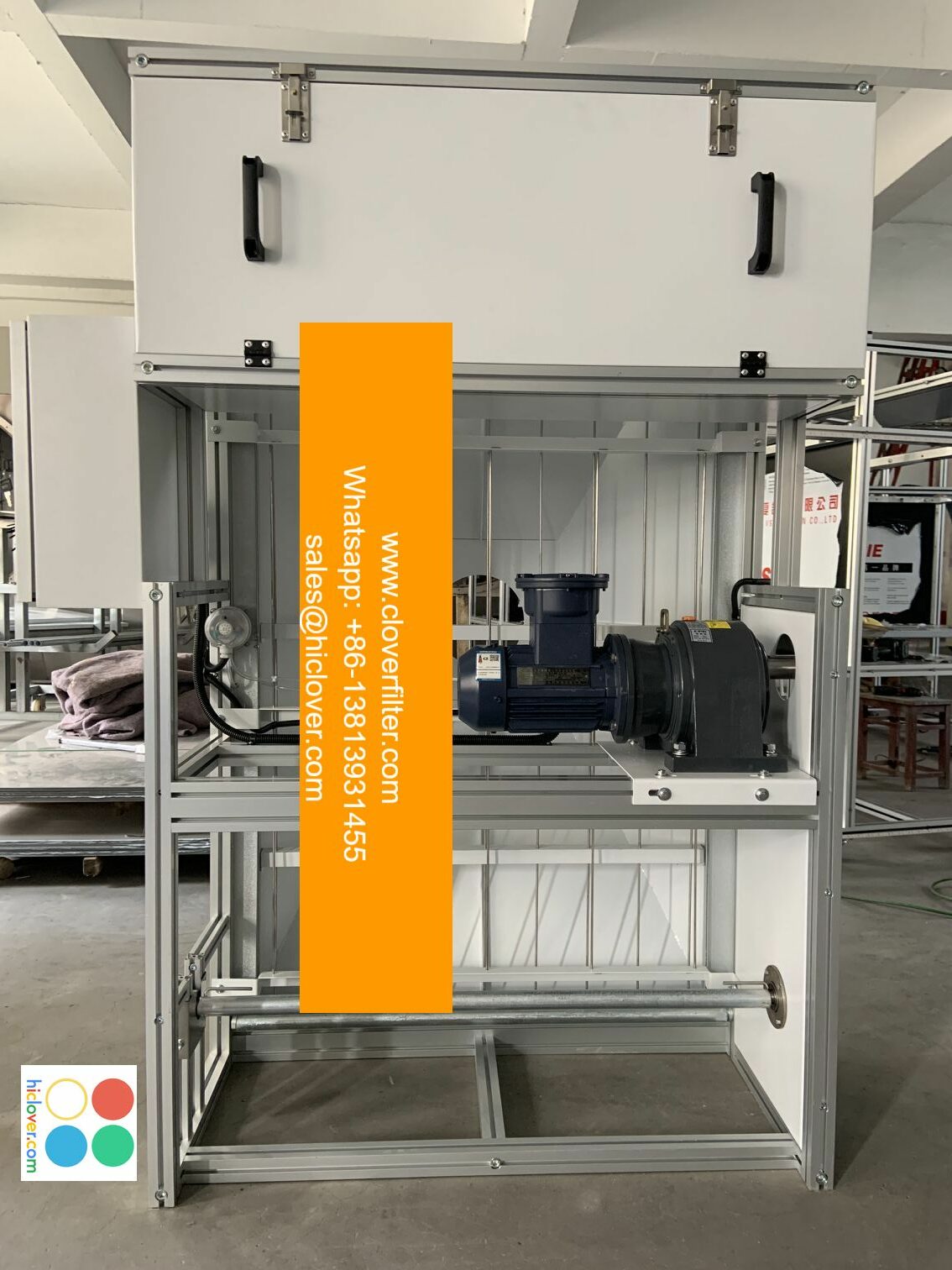
The Hamilton Electronics Recycling Plant is dedicated to responsible electronics recycling efforts, playing a pivotal role in minimizing electronic waste and promoting sustainable practices. However, recycling electronic devices can generate fine particulates and hazardous fumes, creating a potential risk to both environmental and human health. This is where the Automatic Roll Air Filter comes into play, significantly enhancing air quality within the premises.
Understanding Automatic Roll Air Filters

Automatic Roll Air Filters are advanced air filtration systems designed to capture airborne contaminants effectively. These filters have a roll of filtration material that is continuously replaced and maintained automatically, ensuring that the air circulation system operates optimally. The key features of an Automatic Roll Air Filter include:
- Continuous Filtration: The system ensures that the air is consistently filtered, preventing any dust, particles, or pollutants from circulating.
- Self-Maintenance: The automatic roll mechanism minimizes manual maintenance, allowing the plant staff to focus on core recycling operations.
- High Efficiency: These filters possess high-efficiency particulate air (HEPA) standards, capable of trapping particles as small as 0.3 microns.
Importance of Air Quality in Recycling Plants
Air quality is paramount in recycling plants due to the potential hazards posed by toxic substances found in electronic waste. Poor air quality can lead to:
- Respiratory Issues: Employees may suffer from respiratory problems due to inhaling contaminated air.
- Long-term Health Risks: Prolonged exposure to harmful pollutants could result in chronic diseases and health complications.
- Environmental Impact: Poor air quality contributes to environmental degradation, impacting local communities and ecosystems.
How the Automatic Roll Air Filter Works
The Automatic Roll Air Filter operates through a multi-stage filtration process. Initially, large particles are filtered out using pre-filters, ensuring that finer particulates and harmful gases are captured in subsequent stages. The system automatically replaces the filter media when it becomes saturated, guaranteeing optimal performance without interrupting operations.
The resulting clean, conditioned air is circulated back into the plant, mitigating the risks associated with airborne contaminants. This process not only protects the health of employees but also enhances overall operational efficiency.
Benefits of Implementing Automatic Roll Air Filters at Hamilton Plant
The implementation of Automatic Roll Air Filters at the Hamilton Electronics Recycling Plant has yielded numerous benefits:
- Improved Worker Health: Enhanced air quality has led to a healthier workforce, boosting morale and productivity.
- Compliance with Regulations: The plant adheres to environmental regulations and standards, contributing to a sustainable recycling initiative.
- Operational Efficiency: By maintaining steady air quality, the overall efficiency of the plant’s operations improves.
Conclusion
The installation of Automatic Roll Air Filters in the Hamilton Electronics Recycling Plant represents a significant advancement in promoting air quality and ensuring the health and safety of employees. By effectively filtering airborne contaminants, these systems not only contribute to a healthier work environment but also align with the broader objectives of sustainable waste management practices. As the plant continues to lead in responsible recycling, the role of such innovative technologies will be integral in setting new benchmarks for environmental health in the industry.
FAQs
What are the maintenance requirements for Automatic Roll Air Filters?
Automatic Roll Air Filters require minimal maintenance, as they self-monitor and replace filter media as needed. Regular checks are still recommended to ensure optimal operation.
How do Automatic Roll Air Filters improve air quality specifically in recycling plants?
They filter out harmful particles and pollutants generated during the recycling process, reducing the risk of respiratory issues for employees and minimizing environmental impact.
Are there any specific regulations that need to be complied with when using air filters in recycling plants?
Yes, recycling plants must adhere to local and national air quality standards, which may dictate the efficiency levels of air filtration systems in use.
