The Science Behind Air Filter Movements: How They Improve Indoor Air Quality
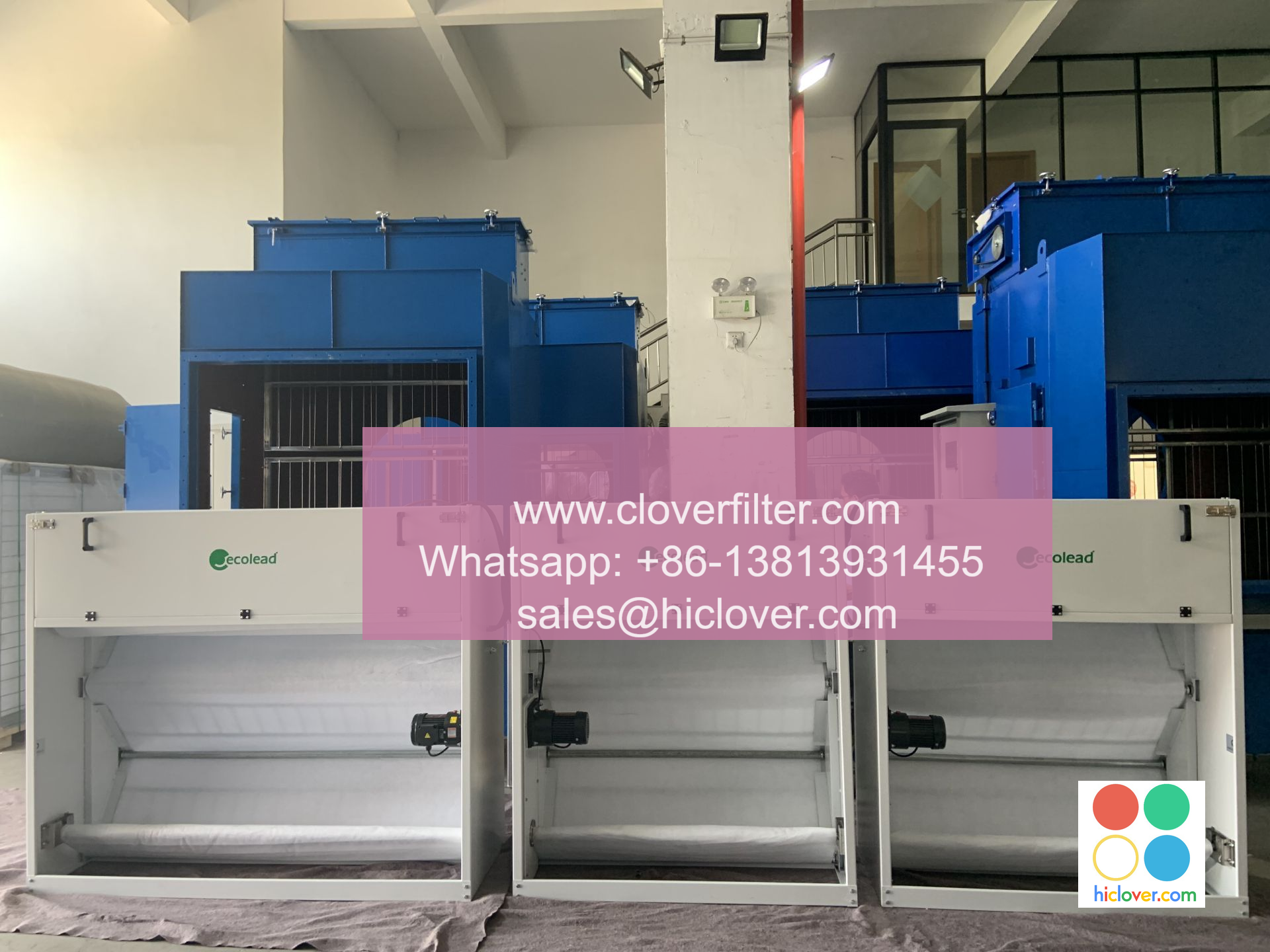
Indoor air quality (IAQ) is a critical aspect of our health and well-being, especially as people spend more time indoors. The presence of pollutants and allergens can significantly impact respiratory health and overall quality of life. Air filters play a key role in mitigating these issues by employing various movements to purify the air. In this article, we explore the science behind air filter movements and how they improve indoor air quality across different application areas.
Understanding Air Filter Mechanisms

Air filters utilize a blend of physical and chemical mechanisms to ensure clean air circulation. These mechanisms involve:
- Mechanical Filtration: This process captures particles and pollutants through a physical barrier, trapping them in the filter media. Common materials used include HEPA (High-Efficiency Particulate Air) fibers, which can eliminate 99.97% of particles as small as 0.3 microns.
- Electrostatic Attraction: Some air filters incorporate electrostatic technology, which uses charged fibers to attract and hold onto microscopic particles, improving the filter’s performance.
- Adsorption: Active carbon filters are designed to absorb volatile organic compounds (VOCs), odors, and gases. The porous structure of activated carbon provides a large surface area that traps harmful substances.
Benefits of Air Filter Movements
The movements created by air filters can drastically improve indoor air quality by:

- Reducing Allergens: Filters efficiently capture pollen, pet dander, and mold spores, which are common allergens, thereby creating a healthier environment for sensitive individuals.
- Minimizing Particulate Matter: Air filters hinder the passage of particulate matter such as dust, smoke, and soot, which can pose serious respiratory risks.
- Enhancing Odor Control: The adsorption properties of carbon filters are instrumental in neutralizing unpleasant odors, making indoor spaces more pleasant.
Application Areas of Air Filters
Air filters find applicability in various settings, each benefiting from improved air quality:
Residential Settings
In homes, air filters in HVAC systems or standalone air purifiers contribute significantly to reducing indoor pollutants, ensuring a healthier living environment for families.
Commercial Spaces
Offices and retail locations can enhance employee productivity and customer satisfaction by using air filters to maintain fresh air, free from contaminants.
Healthcare Facilities
Hospitals and clinics rely heavily on specialized air filtration systems to protect patients from airborne pathogens and pollutants, maintaining sterile environments that are crucial for recovery.
Industrial Applications
Manufacturing plants and warehouses utilize heavy-duty air filters to safeguard workers from hazardous substances, ensuring compliance with safety regulations and promoting a healthier workplace.
Conclusion
Understanding the science behind air filter movements reveals their essential role in improving indoor air quality. Effective air filtration systems not only enhance comfort but also significantly contribute to public health across various settings. As technology advances, the evolution of air filtration continues, promising even better solutions for purifying the air we breathe.
Of course! Could you please provide more details or specify what kind of prompt you’re looking for? It could be for writing, a creative project, a discussion topic, or something entirely different.
