The Role of Air Filter Extensions in Reducing Airborne Viruses
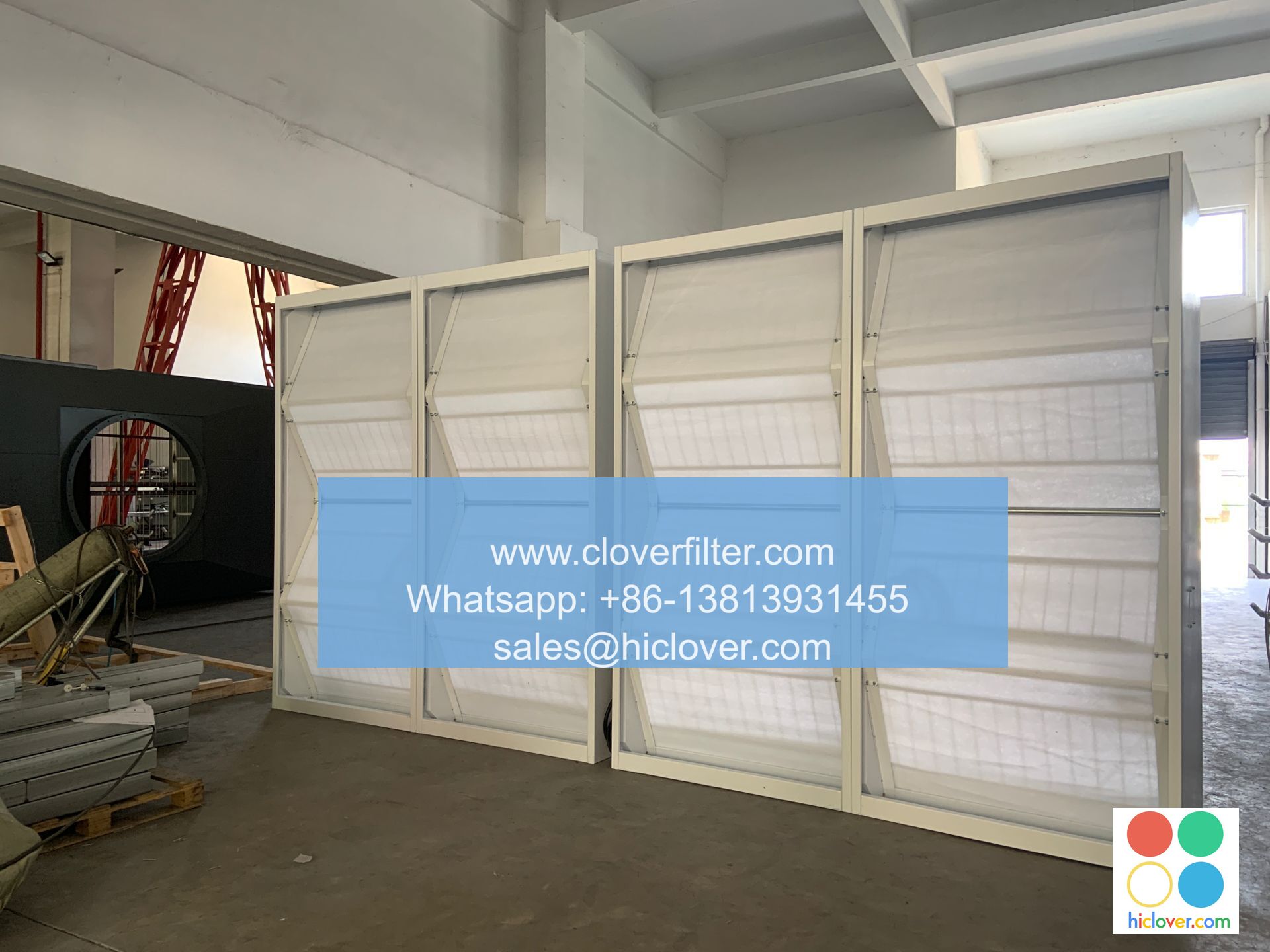
In today’s world, the importance of maintaining a healthy indoor environment is increasingly recognized, especially when it comes to controlling airborne viruses. One of the most effective strategies for enhancing air quality and reducing the transmission of pathogens is through the use of air filter extensions. These innovative solutions serve to improve the efficiency of existing filtration systems, ultimately leading to a safer and more breathable atmosphere.
What are Air Filter Extensions?

Air filter extensions are designed to optimize the performance of standard air filtration systems. They can range from add-on filter units to advanced filter media that enhance the capabilities of existing filters. By increasing the surface area and improving airflow, these extensions effectively capture smaller particles, including viruses, allergens, and other contaminants.
Application Areas for Air Filter Extensions
Residential Spaces
In residential settings, air filter extensions can significantly reduce the presence of airborne viruses such as influenza and coronaviruses. By integrating these solutions into home HVAC systems, families can create a cleaner and healthier environment, particularly for vulnerable individuals such as the elderly and those with compromised immune systems.
Commercial Buildings
The impact of air filter extensions in commercial buildings, such as offices and retail spaces, is profound. As businesses seek to protect employees and customers from viruses, the installation of high-efficiency filtration systems equipped with extensions ensures cleaner air circulation, resulting in lower transmission rates and increased employee productivity and morale.

Healthcare Facilities
In healthcare settings, where the risk of airborne virus transmission is heightened, air filter extensions play a critical role. Hospitals and clinics utilize advanced filtration technology to create controlled environments that are essential for patient safety. These extensions help contain infectious agents, thereby minimizing the risk of hospital-acquired infections.
Educational Institutions
Schools and universities can also benefit from air filter extensions. Improved air quality helps reduce the spread of viruses during peak flu seasons and contributes to better overall student health. By implementing enhanced filtration systems, educational institutions can create a safer learning environment for both students and staff.
Technological Advancements in Air Filtration
Modern air filter extensions are featuring advanced technologies, such as HEPA (High-Efficiency Particulate Air) filters and UV-C light systems, that are designed to enhance virus capture and deactivation. By combining these technologies, air filtration systems can become even more effective at targeting and eliminating viruses in indoor spaces.
Conclusion
In conclusion, the role of air filter extensions in reducing airborne viruses cannot be overstated. As we continue to navigate health challenges in various environments, investing in advanced air filtration solutions will be vital for enhancing air quality, ensuring safety, and fostering healthier spaces. Whether in homes, commercial buildings, healthcare facilities, or educational institutions, air filter extensions represent a proactive approach to reducing the risk of virus transmission and improving overall well-being.
By adopting these innovative air quality solutions, we can all do our part to create a cleaner, healthier world.
It looks like you might be looking for a prompt! Could you please provide more details or specify what kind of prompt you need? For example, are you looking for writing prompts, brainstorming ideas, or something else? Let me know so I can assist you better!
