The Future of Healthcare Facilities: St. John’s Hospital’s Automatic Roll Air Filter System
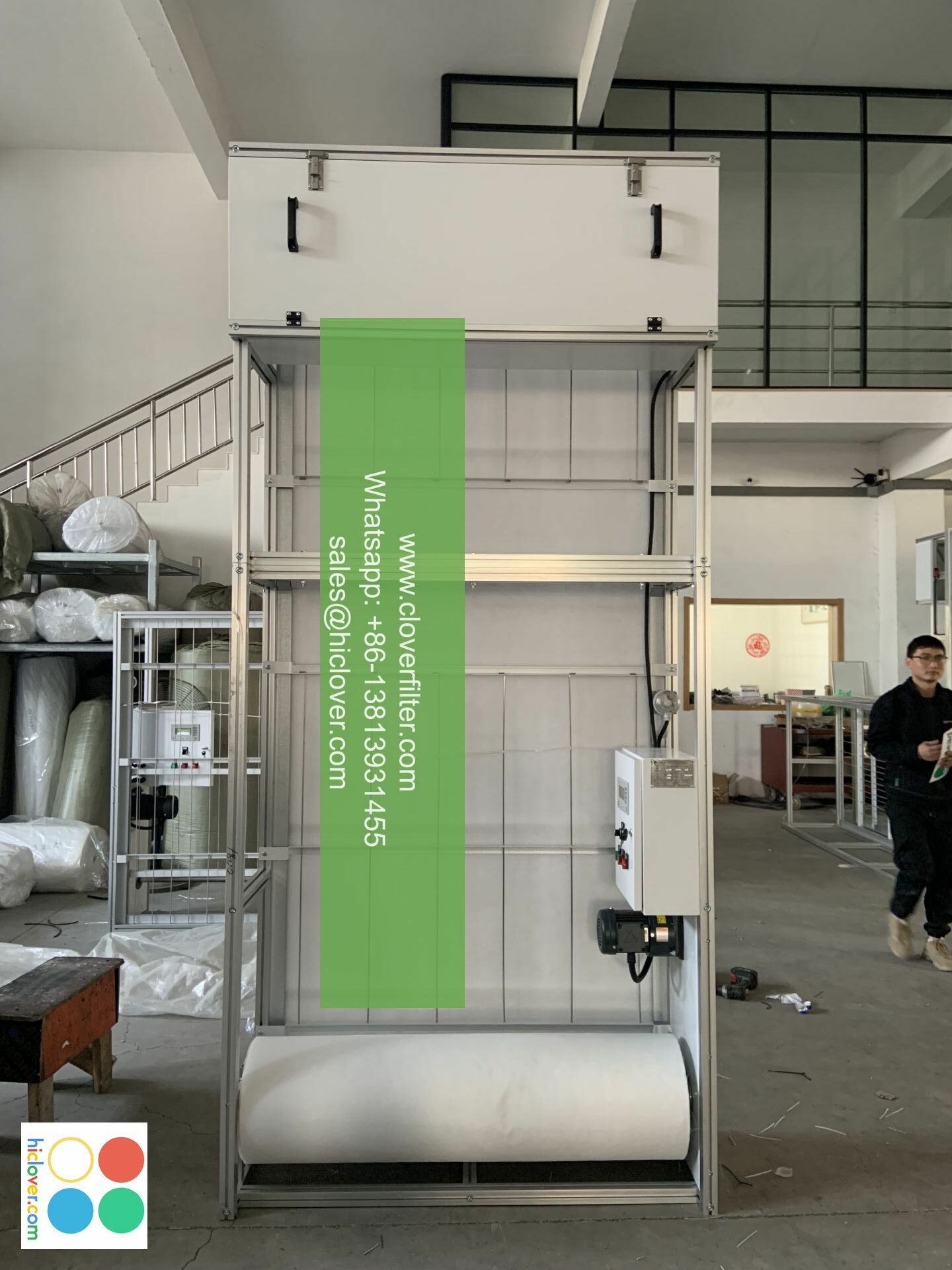
The Future of Healthcare Facilities: St. John’s Hospital’s Automatic Roll Air Filter System
The landscape of healthcare facilities is undergoing a remarkable transformation with the integration of advanced technology, and one of the most notable innovations is the Automatic Roll Air Filter System at St. John’s Hospital. As healthcare providers increasingly recognize the importance of air quality in infection prevention and patient comfort, this innovative system represents a leap forward in creating safer and more efficient clinical environments.
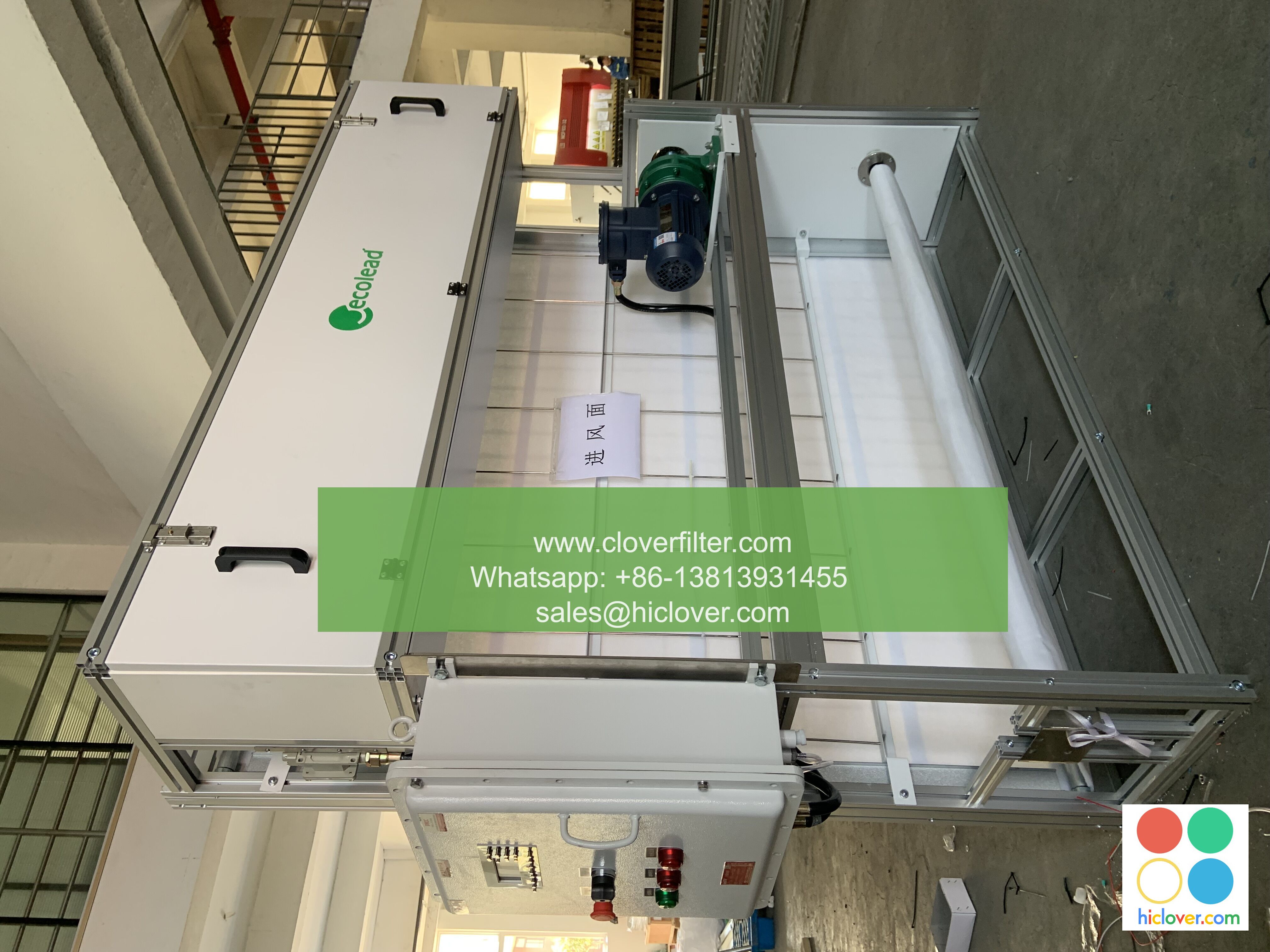
Understanding the Automatic Roll Air Filter System
The Automatic Roll Air Filter System is an advanced filtration technology designed to improve air quality throughout healthcare facilities. This system operates by continuously cycling air through a series of high-efficiency particulate air (HEPA) filters. By removing airborne particles, including pathogens, allergens, and dust, this system is vital in maintaining a sterile environment, particularly in high-risk areas such as operating rooms, intensive care units, and isolation wards.
Impact on Infection Control
Infections acquired within hospital settings, often referred to as hospital-acquired infections (HAIs), have been a significant concern for healthcare providers. St. John’s Hospital’s Automatic Roll Air Filter System directly addresses this issue by ensuring that the air quality remains at optimal levels. Studies have shown that maintaining cleaner air can significantly reduce the prevalence of HAIs. With this cutting-edge technology, St. John’s Hospital aims not only to meet but exceed standard healthcare regulations, providing patients with an environment that prioritizes safety and wellness.
Enhancing Patient Experience

Beyond infection control, air quality is intertwined with patient comfort and overall experience. The Automatic Roll Air Filter System creates a more pleasant atmosphere within the hospital. Patients in well-ventilated and clean environments tend to recover faster, experience less anxiety, and report higher satisfaction levels. Moreover, the system operates silently, ensuring that it does not interfere with the healing process, which is crucial in minimizing stress for patients and their families.
Operational Efficiency and Sustainability
Implementing the Automatic Roll Air Filter System also benefits St. John’s Hospital in terms of operational efficiency and sustainability. The system is designed for low energy consumption while maintaining high filtration efficiency, leading to reduced utility bills and a lower carbon footprint. Recycling air in this manner minimizes the reliance on constantly heating or cooling new air from outside, thus supporting the hospital’s sustainability initiatives.
The Future of Healthcare Facilities
The introduction of advanced technologies like the Automatic Roll Air Filter System at St. John’s Hospital signifies a broader trend towards smart healthcare facilities. As technology continues to evolve, we can expect further innovations in sanitation, patient care, and operational management. The focus will undoubtedly shift towards creating integrated systems that prioritize patient safety, enhance comfort, and optimize operational efficiency, ultimately leading to better health outcomes.
Conclusion
The Automatic Roll Air Filter System at St. John’s Hospital is a testament to the future of healthcare facilities, merging health technology with patient care. As healthcare providers embrace such innovations, the focus on cleanliness, safety, and patient experience will become paramount. St. John’s Hospital’s pioneering efforts serve as a model for other institutions looking to enhance their environments for both patients and staff.
FAQs
- What is an Automatic Roll Air Filter System?
- An Automatic Roll Air Filter System is an advanced air filtration setup that continuously cycles air through high-efficiency filters to ensure clean air in healthcare facilities.
- How does the system impact infection control?
- The system reduces airborne pathogens and particulates in the air, significantly lowering the risk of hospital-acquired infections.
- Is the system energy-efficient?
- Yes, it operates with low energy consumption, thereby reducing operational costs and contributing to the sustainability goals of the healthcare facility.
- How does air quality affect patient satisfaction?
- Improved air quality contributes to patient comfort, leading to lower anxiety levels, faster recovery times, and higher satisfaction rates.
- Will more hospitals adopt similar systems?
- As technology advances and awareness of the importance of air quality grows, many hospitals are expected to implement similar air filtration systems in the future.
