Air Filter Ecosystems in Government Buildings: Ensuring Indoor Air Quality
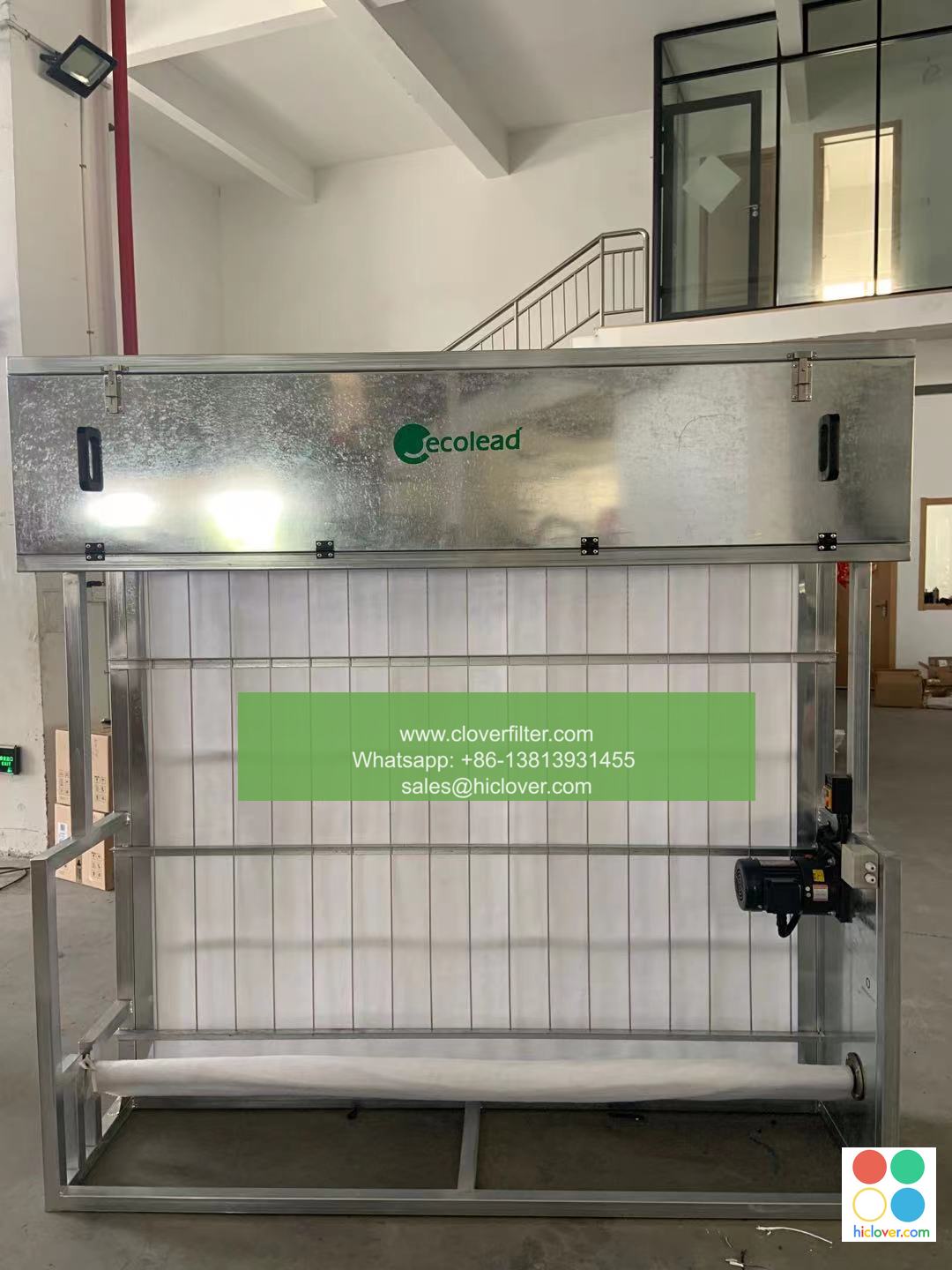
Indoor air quality (IAQ) is a crucial concern for government buildings. These structures serve as hubs for public services and interactions, making maintaining optimal air quality essential not just for employee health but also for the well-being of the public. In this article, we delve into the importance of air filter ecosystems, explore various application areas, and discuss how these systems work to ensure a comfortable and healthy indoor environment.
The Importance of Indoor Air Quality in Government Buildings

Government buildings, such as offices, courthouses, and schools, often house a large number of individuals daily. Poor indoor air quality can lead to a myriad of health issues, including respiratory problems, allergies, and decreased productivity. Hence, implementing an effective air filter ecosystem is not only a health necessity but also a legal obligation in many jurisdictions.
Health Implications
Research shows that inadequate ventilation and filtration in government buildings can exacerbate issues such as Sick Building Syndrome (SBS). This phenomenon can manifest through symptoms like headaches, dizziness, and fatigue among employees and visitors. A well-maintained air filter system can significantly mitigate these risks, ensuring a healthy environment for all.
Components of an Effective Air Filter Ecosystem
The effectiveness of an air filter ecosystem hinges on several components:

1. HEPA Filters
High-Efficiency Particulate Air (HEPA) filters are vital for trapping airborne particles, including dust, pollen, and even some bacteria and viruses. In government buildings, HEPA filters can significantly enhance the air quality.
2. HVAC Systems
Heating, Ventilation, and Air Conditioning (HVAC) systems equipped with modern air filtration technology are essential. These systems circulate air effectively and maintain optimal humidity levels to prevent mold and other indoor air pollutants.
3. Air Quality Monitors
Integrating air quality monitors into the ecosystem allows for real-time assessment of pollutants, humidity levels, and temperature. Monitoring results can help facility managers make data-driven decisions regarding air quality maintenance.
Application Areas of Air Filter Ecosystems in Government Buildings
From offices to schools, the application of air filter ecosystems spans various types of government buildings. Here are some notable areas:
1. Office Buildings
In offices, maintaining good air quality can boost employee morale and productivity. Regular filter changes and the use of MERV-rated filters ensure a comfortable work environment.
2. Educational Institutions
Government-operated schools have an increased responsibility to ensure good air quality for children who may be more vulnerable to pollutants. Air filtration systems can help combat allergens and improve cognitive function in students.
3. Health Clinics
In government health clinics, reliable air filtration is critical to preventing the spread of infectious diseases. HEPA filters, in particular, can protect staff and patients alike.
Challenges and Solutions
Despite the benefits, implementing air filter ecosystems in government buildings comes with challenges such as budget constraints and outdated infrastructure. However, by prioritizing smart investments in modern technologies and ongoing maintenance, governments can overcome these hurdles effectively.
The Future of Air Filter Ecosystems
The future of air quality management in government buildings is promising, with evolving technologies offering potential solutions. Innovations such as IoT-enabled air quality monitoring, advanced filtration materials, and renewable energy sources can further enhance air filtration systems.
Conclusion
Ensuring indoor air quality in government buildings through well-implemented air filter ecosystems is crucial for health, safety, and productivity. As awareness about the importance of IAQ continues to grow, so too will the emphasis on effective air filtration solutions that contribute to a healthier environment for all.
It seems like you might want a prompt for writing or creative inspiration. Could you provide a bit more detail about what you’re looking for? For example, do you want a prompt for a short story, poem, essay, or something else? Additionally, any specific themes or genres you’d like to explore?
