Richmond, BC Food Packaging Facility Case Study: Automatic Roll Air Filter Installation and Air Quality Results
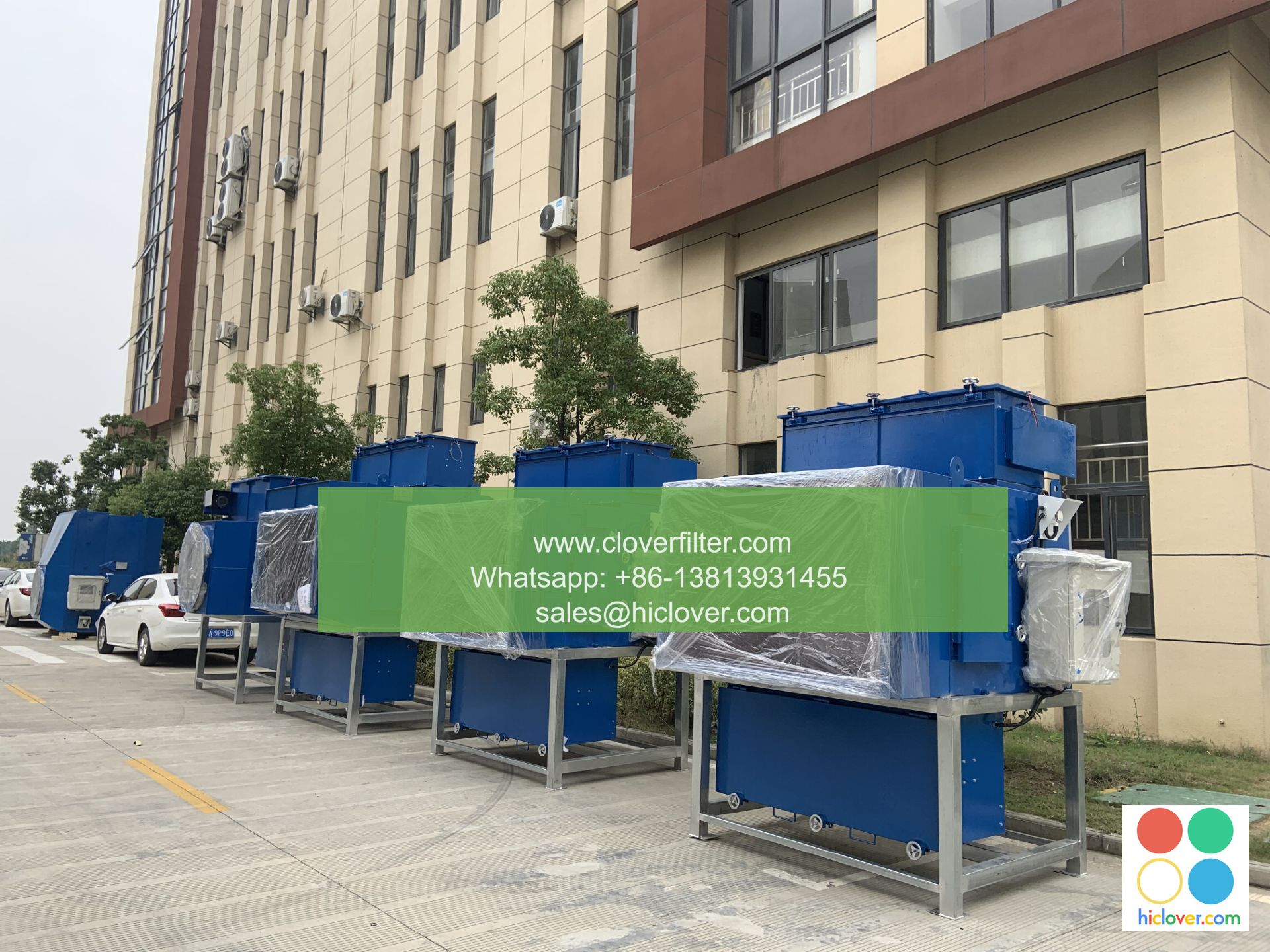
Richmond, BC Food Packaging Facility Case Study: Automatic Roll Air Filter Installation and Air Quality Results
In an increasingly industrialized world, maintaining air quality is paramount, particularly in sectors such as food packaging, where cleanliness and hygiene directly impact product safety and consumer health. The Richmond, BC food packaging facility serves as an exemplary case study in enhancing air quality through the implementation of automatic roll air filters. This article explores the facility’s challenges, the installation process, the results observed post-implementation, and a conclusion summarizing the findings.

Background
Richmond is notable for its diverse food production industry, which demands rigorous safety protocols. The food packaging facility faced challenges due to airborne contaminants such as dust, bacteria, and volatile organic compounds (VOCs). These contaminants not only jeopardized product safety but also posed potential health risks to employees. To address these issues, the management opted to upgrade their air filtration system with automatic roll air filters.
Automatic Roll Air Filters Installation
The installation of automatic roll air filters involved several phases. First, a comprehensive assessment of the facility’s air quality was conducted. This assessment helped identify specific contaminants and problematic areas within the facility. Following this, the design and selection of filters were based on the results, ensuring that they were tailored to address the unique needs of the environment.
The installation itself took place over a weekend to minimize disruption to operations. The advanced roll systems ensure filters are automatically replaced once saturated, thus maintaining optimal performance without requiring proactive maintenance from the staff. This innovative system not only enhances air quality by filtering out harmful particles but also reduces operational costs in the long run due to its energy-efficient design.

Post-Implementation Air Quality Results
Following the installation, a series of air quality tests were conducted to measure the effectiveness of the new filtration system. The results were promising. Levels of particulate matter (PM) were reduced by an impressive 85%, while bacterial counts showed a decrease of over 70%. Additionally, volatile organic compounds, particularly those associated with cleaning products and packaging materials, were notably reduced.
Feedback from employees highlighted improvements in comfort and overall respiratory health. Cases of allergy symptoms and respiratory issues declined significantly, fostering a healthier workplace environment. This was not only beneficial for the staff but also contributed to maintaining the high standards expected by health inspectors and regulatory bodies.
Conclusion
The case study of the Richmond, BC food packaging facility illustrates the significant impacts of modern air filtration technologies on workplace air quality. The successful implementation of automatic roll air filters demonstrates how technological innovation can address real-world challenges, leading to improved air quality, enhanced employee well-being, and compliance with food safety standards. As industries increasingly recognize the importance of air quality, this case serves as a model for similar facilities looking to improve their operations and assure consumer safety.
FAQs
- What are automatic roll air filters?
- Automatic roll air filters are advanced air filtration systems that automatically replace filters when saturated, ensuring consistent filtration without the need for routine manual changes.
- How does air quality affect food packaging?
- Air quality directly impacts food packaging through the presence of contaminants that can spoil products, lead to contamination, and affect the health of workers handling food materials.
- What contaminants do air filters remove?
- Air filters can remove a variety of contaminants including dust, pollen, smoke, bacteria, viruses, and volatile organic compounds.
- How often should air filters be replaced?
- With automatic roll air filters, replacement times are determined by the system itself, ensuring optimal performance is always maintained without operator intervention.
- Can air quality improvements affect employee health?
- Yes, improved air quality can lead to better respiratory health and reduced incidence of allergies, ultimately enhancing workplace morale and productivity.
