Air Filter Selection for Commercial Kitchens
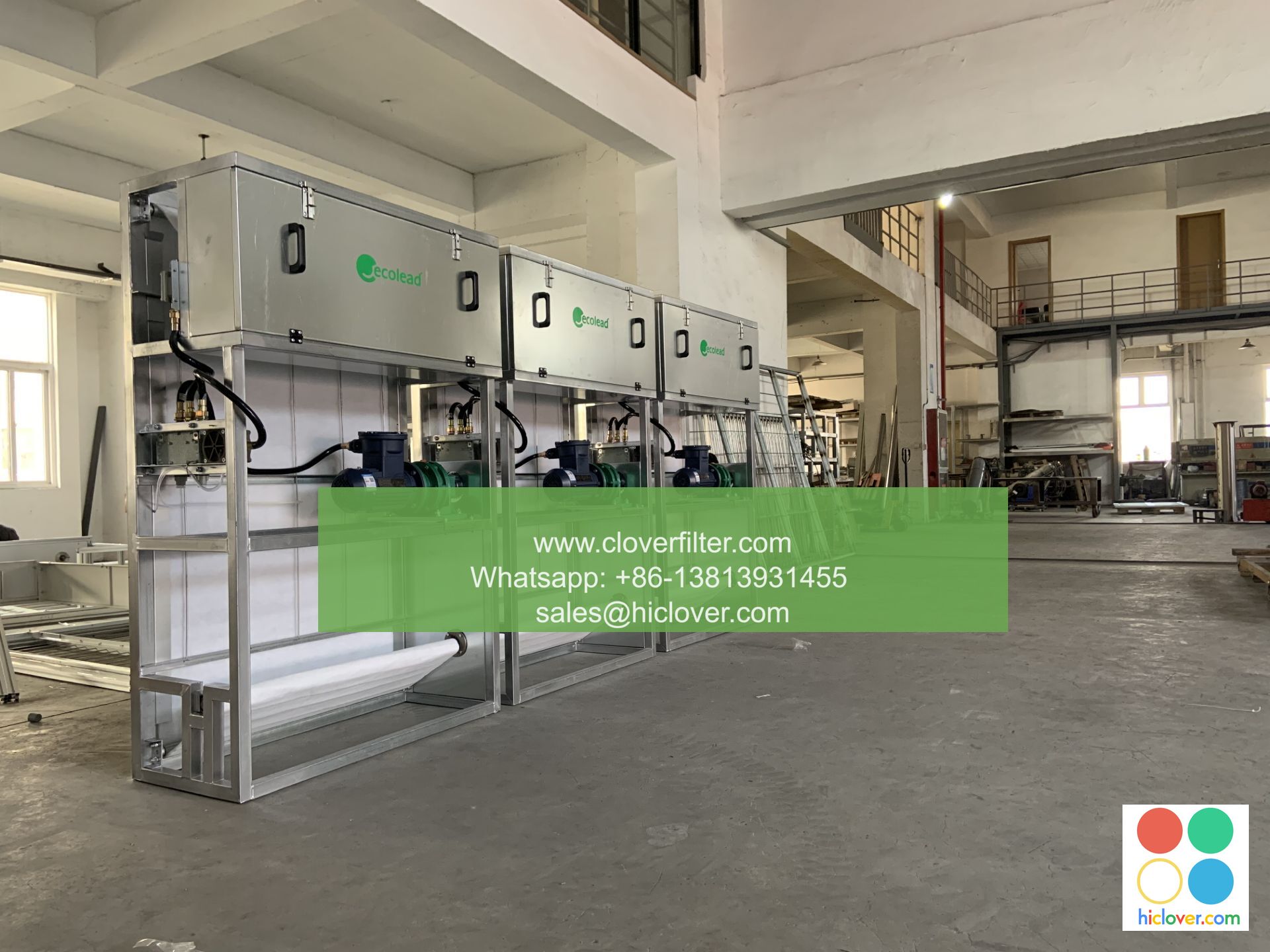
In any commercial kitchen, maintaining air quality is essential for both hygiene and enhancing the working environment. Proper air filter selection can dramatically affect the efficiency of kitchen operations and ensure compliance with health regulations. This article explores various approaches to choosing the right air filters tailored for different applications within a commercial kitchen.
Understanding the Importance of Air Filtration

Effective air filtration is crucial for controlling grease buildup, reducing smoke and odor, and ensuring proper ventilation. With heightened concerns over food safety and the health of kitchen staff, choosing the appropriate air filtering solutions is vital.
Key Areas of Application
1. Hood Ventilation Systems
Ventilation systems in commercial kitchens are designed to capture grease-laden vapors. Selecting filters like baffle filters or charcoal filters can help in controlling grease accumulation and odors. Regular maintenance and timely replacement of these filters ensure optimal performance and safety.
2. Air Conditioning Units
In addition to capturing visible particulates, air conditioning filters should be equipped to handle finer particles, including bacteria and allergens. HEPA filters are an excellent choice for this application, as they can trap particles as small as 0.3 microns.

3. Make-up Air Systems
Make-up air systems bring fresh air into the kitchen space, which is essential for removing stale air and keeping the environment comfortable for chefs and kitchen staff. Pre-filters in these systems should be selected based on the local environment and the types of operations performed.
4. Indoor Air Quality Management
Managing indoor air quality is another critical application area within commercial kitchens. Filters that use activated carbon can effectively remove airborne odors, while UV light systems can help sterilize the air against bacteria and viruses.
Factors to Consider in Air Filter Selection
When selecting an air filter for your commercial kitchen, consider the following factors:
- Type of Cooking: Different cooking methods generate varying amounts of smoke, grease, and odors. The choice of filter depends on the cooking style.
- Air Flow Requirements: Filters must not restrict airflow significantly; consult guidelines to ensure that selected filters meet flow specifications.
- Regulatory Compliance: Adhere to local regulations regarding air quality to avoid fines or shutdowns.
- Maintenance Frequency: Consider how often filters will need to be changed and the ease of access for maintenance.
Conclusion
Choosing the right air filters for commercial kitchens is not just about compliance; it’s about creating a safe and productive work environment. By understanding the application areas and considering essential factors, you can make informed decisions that enhance air quality and operational efficiency. Prioritizing the correct air filtration solutions will ultimately contribute to higher food safety standards and improved workplace conditions.
It seems like you might need a prompt for a specific type of writing or project. Could you provide a bit more detail about what you’re looking for? For example, are you looking for a creative writing prompt, a business idea, a discussion topic, or something else entirely? Let me know so I can help you better!
