Air Filter Testing and Validation Procedures for Residential Applications: A Documentation Protocol

In today’s health-conscious world, air quality has become a paramount concern for consumers. As a result, residential air filters must be thoroughly tested and validated to ensure they meet standards for performance and efficiency. This article outlines essential testing procedures and documentation protocols for air filters used in residential settings.
Understanding Air Filter Efficiency
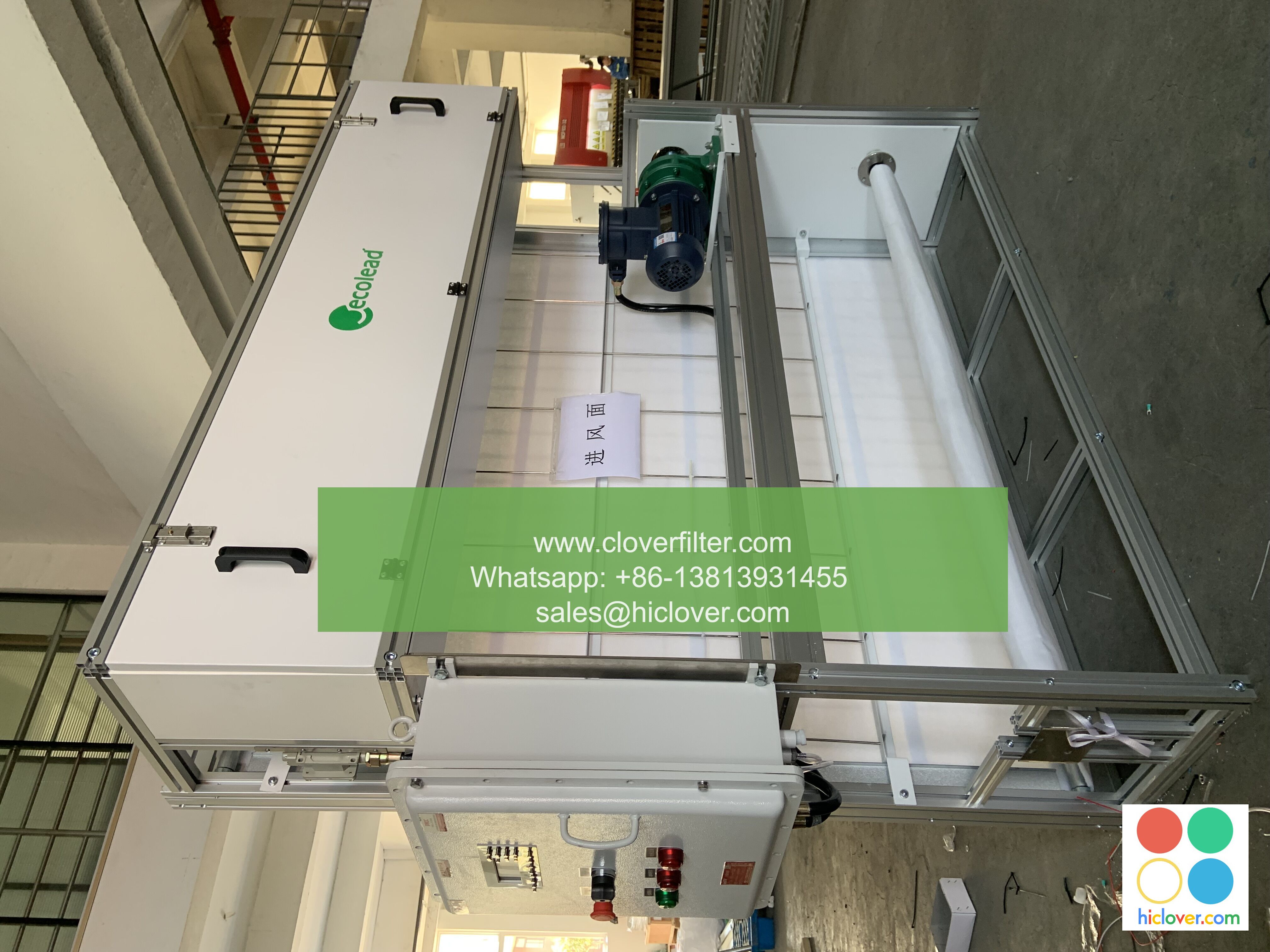
The primary function of an air filter is to capture airborne particles, enhancing indoor air quality. Filters are rated based on their efficiency, typically using the Minimum Efficiency Reporting Value (MERV) system. This rating determines the filter’s ability to trap particles of varying sizes, ensuring that hazardous contaminants are effectively removed from the air.
Key Testing Procedures
1. Initial Performance Testing
Upon manufacture, each air filter must undergo initial performance testing to evaluate its filtration efficiency. This involves:
- Particle Size Testing: Using calibrated equipment to test the filter’s ability to capture specific particle sizes.
- Airflow Resistance Measurement: Assessing how much the filter restricts air movement, which impacts HVAC efficiency.
- Decrease in efficiency over time
- Durability of materials used
- Changes in airflow resistance as the filter accumulates particles
- Temperature fluctuations
- Humidity levels
- Exposure to existing air pollutants
- Test Methodologies: Clear descriptions of each testing process, equipment used, and environmental conditions.
- Results and Analysis: Comprehensive reporting of findings, including charts and graphs demonstrating performance over time.
- Compliance Verification: Ensuring that results align with regulatory standards and any certifications (like HEPA or UL ratings) that affirm a filter’s suitability.
- Test Plans: Outlining objectives, methods, and timelines for each phase of testing.
- Personnel Qualifications: Details about the training and qualifications of individuals conducting the tests.
- Data Management: Systems for organizing, storing, and retrieving test data, ensuring it is readily available for audits or reviews.
2. Longevity Testing
To assess long-term performance, filters are subjected to longevity tests. These tests simulate real-life conditions over extended periods, checking for:
3. Environmental Testing
Filters should also be tested in controlled environments to evaluate their performance under various conditions, including:
Validation Procedures
Validation of air filter performance involves comparing the test results against established standards to ensure consumer safety and satisfaction. This includes proper documentation that covers:
Documentation Protocol
Maintaining thorough documentation of testing and validation procedures is essential for transparency and reliability. This documentation protocol should include:
Conclusion
The efficacy of residential air filters in improving indoor air quality heavily relies on robust testing and validation procedures. By adhering to a meticulous documentation protocol, manufacturers can assure consumers of their product’s performance and reliability in safeguarding against indoor pollutants. As air quality remains a pressing issue, implementing these protocols not only enhances consumer trust but also promotes healthier living environments.
It seems like your message was incomplete. Could you please provide more details or specify what you are looking for? Whether it’s a topic, a question, or a writing prompt, I’d be happy to help!
