A Comparative Study of Air Filter Data from Different Climate Zones
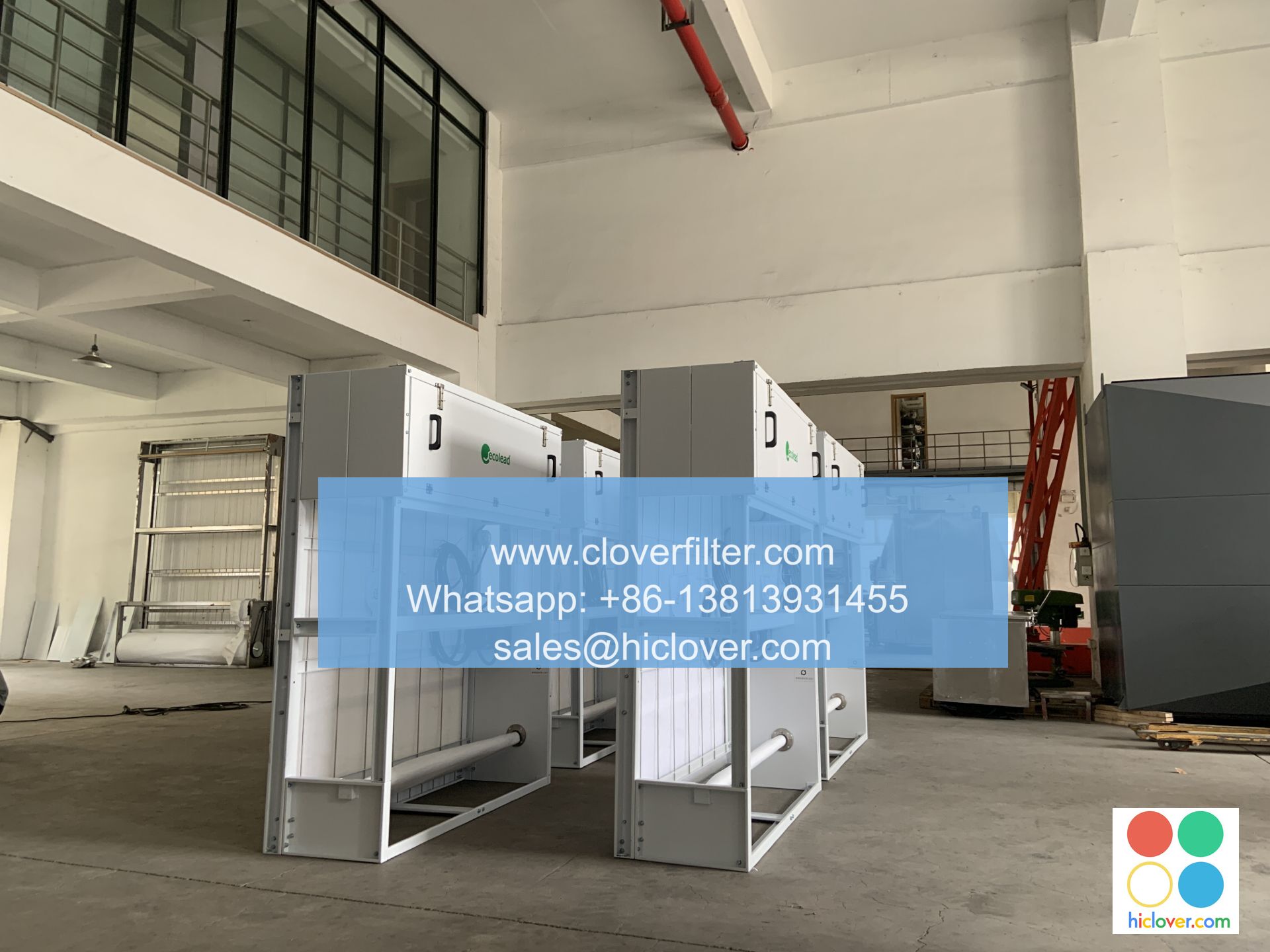
Air filters play a pivotal role in maintaining indoor air quality by trapping pollutants, allergens, and other airborne particles. However, the effectiveness and efficiency of air filters can be significantly influenced by the climate zone in which they are used. This article presents a comparative study of air filter data from diverse climatic regions, highlighting various application areas and their unique challenges.
Understanding Climate Zones
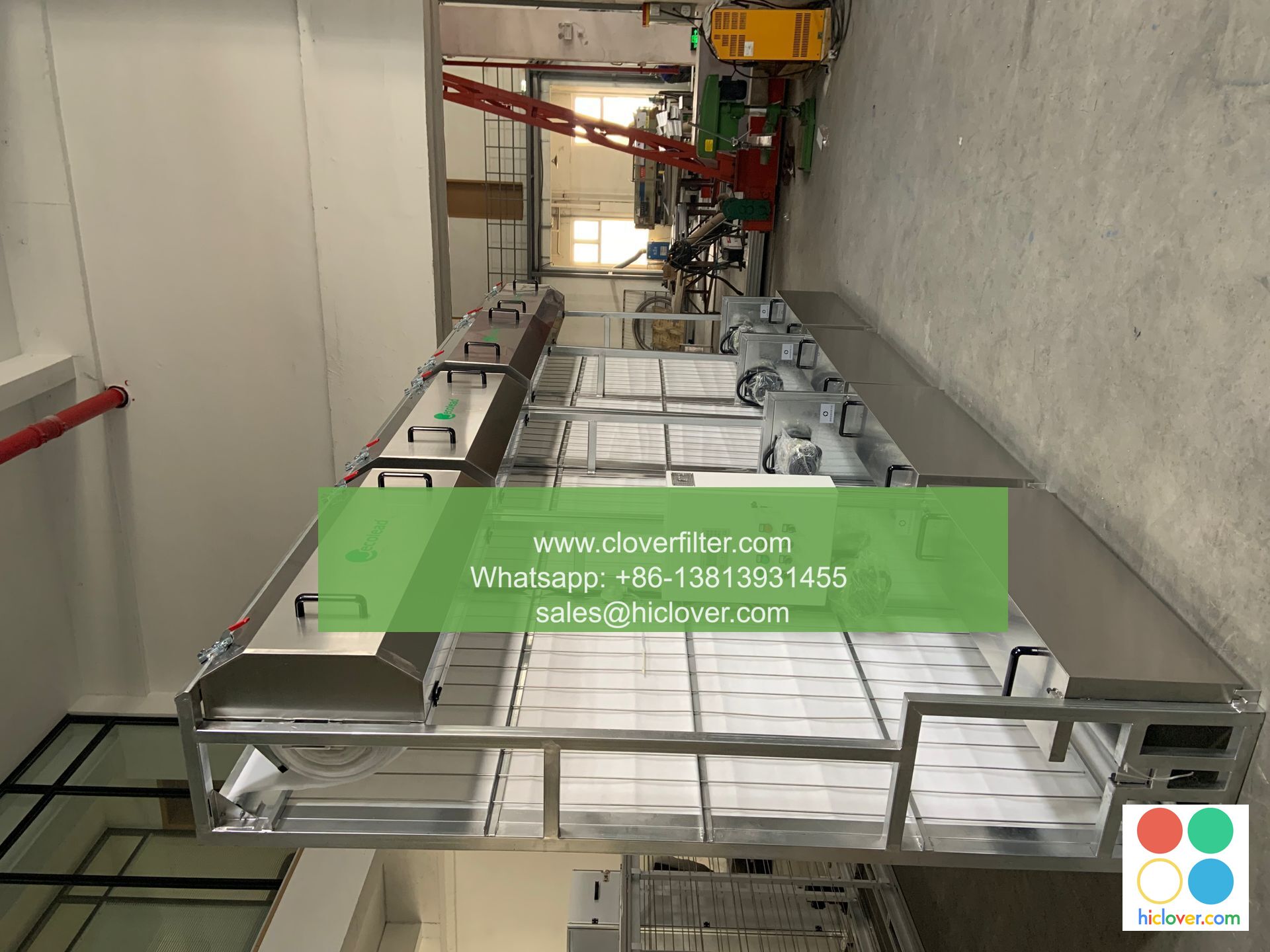
Climate zones are categorized based on their temperature, humidity, precipitation patterns, and overall ecosystem. The primary climate zones include:
- Tropical: High temperatures and humidity year-round.
- Arid: Low rainfall with high evaporation rates, often leading to dusty conditions.
- Temperate: Moderate temperatures with distinct seasons, including cold winters and warm summers.
- Polar: Extremely cold temperatures, often with low humidity and minimal air movement.
Each climate zone creates distinct challenges and opportunities for air filtration technologies.

Air Quality Concerns by Climate Zone
Tropical Climate
In tropical regions, the combination of humidity and high temperatures can lead to a proliferation of mold, dust mites, and other allergens. An air filter in these areas must focus on:
- Moisture control: Filters often incorporate antimicrobial treatments to prevent mold growth.
- Dust filtration: Higher dust and airborne particulate levels necessitate filters with a MERV rating of at least 8-11.
Arid Climate
Arid zones, characterized by low humidity and high winds, often experience dust storms that deposit fine particles into indoor environments. Effective air filters for these climates should consider:
- High-efficiency particulate air (HEPA) filters: Required to capture smaller particles (0.3 microns) effectively.
- Pre-filters: Identifying the use of pre-filters to capture larger dust particles and prolong the life of HEPA filters.
Temperate Climate
Temperate climates experience seasonal changes, affecting indoor air quality in different ways. During the summer, pollen and spores can proliferate, while winter often leads to increased indoor pollution from heating systems. Key considerations for air filters include:
- Seasonal adaptability: Filters may need to be switched based on whether pollen levels are high or heating particles are prevalent.
- Dual-purpose filters: Utilizing filters that can handle both particulate matter and gases, such as VOCs, especially during the colder months.
Polar Climate
In polar regions, air quality issues are often overshadowed by the low temperatures and stagnant air. However, indoor air quality remains a concern due to the use of heating systems that can emit harmful particles. Filters in these areas should focus on:
- Air exchange systems: Utilizing filters in central heating systems to capture fine particles.
- Heat Recovery Ventilation (HRV): Integrating HEPA filters into HRV systems to maintain air quality.
Comparative Analysis of Air Filter Performance
A comparative analysis of air filter performance across climate zones reveals notable differences in efficiency, lifespan, and maintenance requirements.
Filter Efficiency
Air filters designed for tropical climates exhibit superior moisture resistance but can become overloaded with humidity, reducing their lifespan. In contrast, the high dust loading in arid climates requires robust construction and frequent maintenance on HEPA filters.
Lifespan and Maintenance
Filters in temperate zones often require seasonal changes, whereas those in polar climates may allow for longer replacement intervals due to stable air conditions. This leads to variability in operational costs depending on climate, highlighting the importance of tailored strategies for different regions.
Applications of Air Filters across Various Industries
Residential HVAC Systems
In homes, understanding air quality challenges based on climate zones allows for better design choices in HVAC systems. Manufacturers can optimize filters for specific environments, leading to improved air quality and health outcomes.
Industrial Settings
Industries operating in diverse climate zones must implement air filtration systems that meet regional standards, especially where sensitive materials are handled, such as pharmaceuticals and electronics, where cleanroom standards are paramount.
Automotive Industry
Automobile manufacturers must also consider air filtration for vehicles operating in varying climatic conditions, ensuring cabin air filters can address pollen, dust, and exhaust fumes based on the environment of usage.
Conclusion
A comparative study of air filter data across different climate zones reveals the critical role these products play in ensuring air quality. By understanding the unique challenges presented by each climatic condition, manufacturers can develop optimized air filtration solutions tailored to specific needs. Whether it’s for residential use, industrial applications, or in the automotive sector, recognizing the interplay between climate and air filtration will lead to healthier indoor environments and a better quality of life.
It seems like you may have a specific prompt in mind or would like to start a new topic. Could you please provide more details or clarify what you’re looking for? Whether it’s a writing prompt, a question, or a topic you’d like to discuss, I’m here to help!
