The Role of Air Filter Teams in Identifying and Resolving Home Air Quality Issues

Indoor air quality is an essential aspect of a healthy living environment. With increasing awareness about the impact of air pollution on health, air filter teams are playing a critical role in diagnosing and resolving home air quality issues. This article will delve into the various responsibilities and techniques employed by these teams to ensure cleaner air for households.
Understanding Air Quality Issues

Air quality in homes can be affected by several factors, including allergens, pollutants, and inadequate ventilation. Common air quality issues include:
- Dust and Allergens: Pollen, pet dander, and dust mites can trigger allergies and respiratory problems.
- Volatile Organic Compounds (VOCs): Emitted from household products, VOCs can contribute to headaches and nausea.
- Mold: Excess moisture can lead to mold growth, which poses health risks.
- Particulate Matter: Small particles from smoke, cooking, and combustion can infiltrate indoor air.
The Role of Air Filter Teams
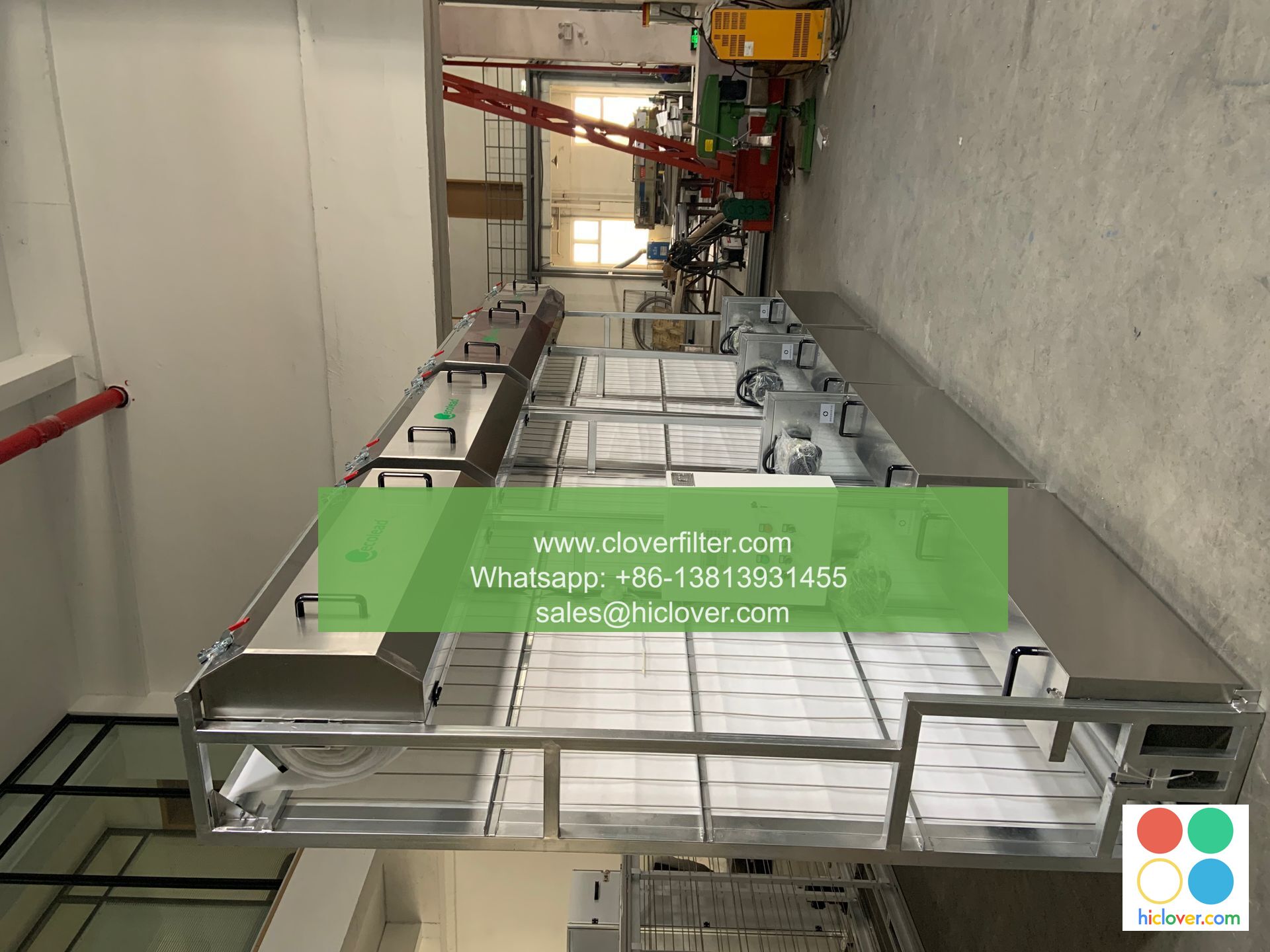
Air filter teams are specialized professionals dedicated to improving indoor air quality. Their roles encompass several key functions:
1. Assessment and Monitoring
One of the primary responsibilities of air filter teams is assessing the current air quality. Using advanced tools and technology, they monitor levels of various contaminants, providing a clear picture of air quality in the home. By measuring the levels of carbon dioxide, particulate matter, and other pollutants, they can identify problem areas that require immediate attention.
2. Recommendations for Improvement
Based on their assessments, air filter teams suggest targeted solutions to improve air quality. This could include:
- Installing high-efficiency air filters in HVAC systems.
- Implementing air purifiers for specific rooms.
- Enhancing ventilation systems to promote fresh air circulation.
3. Implementation of Solutions
Once the recommendations are made, air filter teams often assist with the installation and configuration of air filtration systems and devices. They ensure that filters are correctly fitted, and airflow is optimized, which significantly impacts the overall effectiveness of the air quality improvements.
4. Ongoing Maintenance and Support
Air quality management doesn’t end with the installation of filters. Regular maintenance is vital to ensure air filters function at peak efficiency. Air filter teams provide ongoing support, including:
- Regular filter changes and cleanings.
- Periodic air quality assessments.
- Education on best practices for maintaining air quality.
Highlighting Various Application Areas
The expertise of air filter teams extends beyond residential settings. They are also valuable in various application areas such as:
- Commercial Spaces: Offices and retail environments benefit from improved air quality strategies to enhance employee productivity and customer experience.
- Healthcare Facilities: Hospitals and clinics utilize air filter teams to minimize the risk of infections and protect vulnerable populations.
- Schools and Educational Institutions: Providing a healthy learning atmosphere is crucial; hence, air filter teams help maintain optimal air quality for students and staff.
Conclusion
In a world where air quality often takes a backseat, air filter teams emerge as essential allies in the quest for healthier homes. Through assessment, remediation, and ongoing support, these teams ensure that indoor air quality meets the highest standards, supporting the well-being of all occupants. Investing in air filter teams is not just a choice for cleaner air; it’s an investment in health and quality of life.
It seems like you entered “Prompt.” Could you please provide more details or specify what type of prompt you’re looking for? Whether it’s for writing, an idea for a project, a question, or something else, I’m here to help!
