Automatic Roll Air Filters in Pharmaceutical Cleanrooms: A Guide to Troubleshooting and Repair
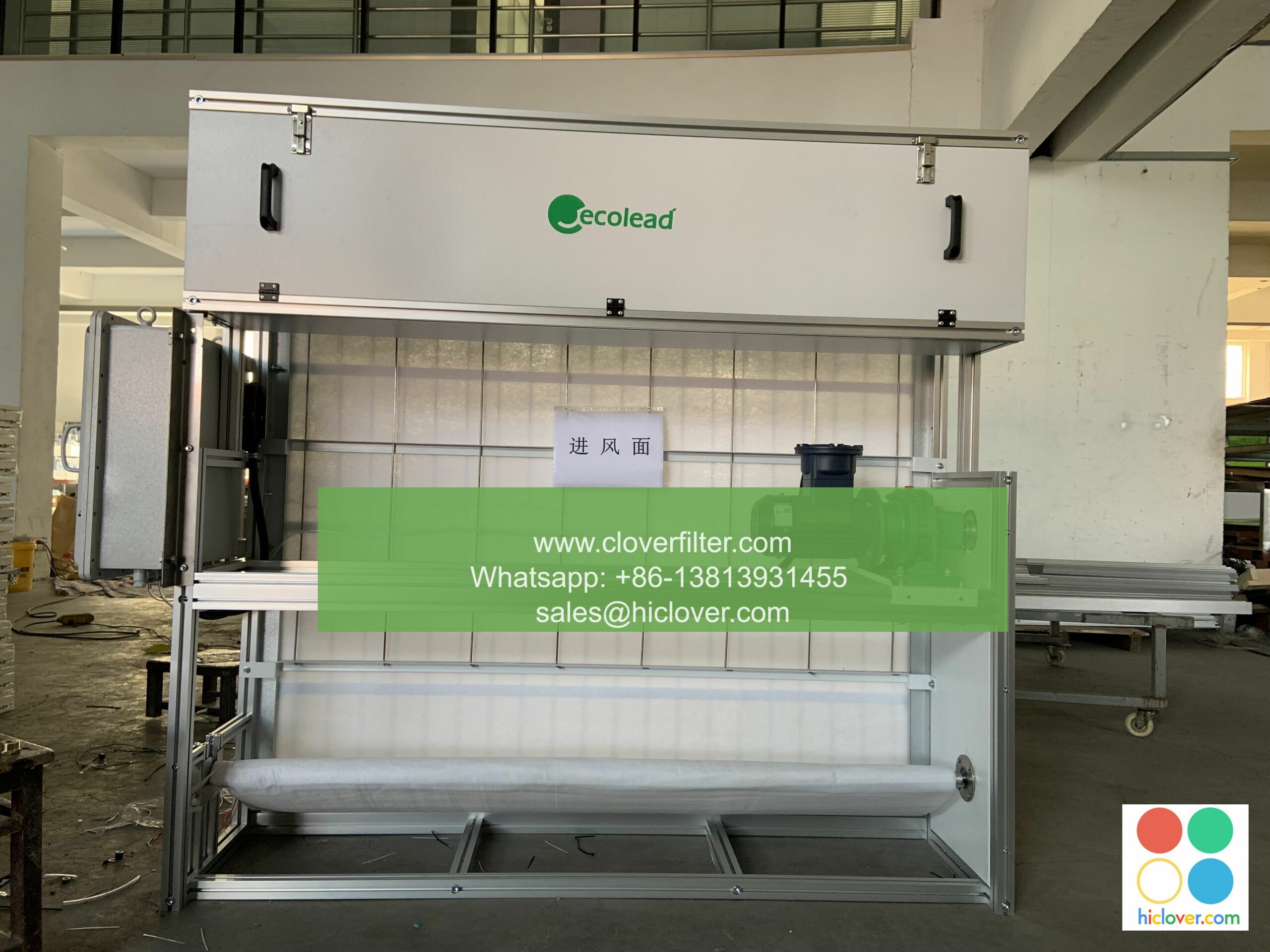
Automatic Roll Air Filters in Pharmaceutical Cleanrooms: A Guide to Troubleshooting and Repair
In the highly regulated environment of pharmaceutical cleanrooms, maintaining a sterile atmosphere is paramount for ensuring product safety and quality. Automatic roll air filters play a crucial role in this system, as they are responsible for maintaining air purity by trapping particulates. However, like any complex system, issues can arise that may impact their efficiency. Understanding how to troubleshoot and repair these filters is essential for cleanroom operators and maintenance personnel.
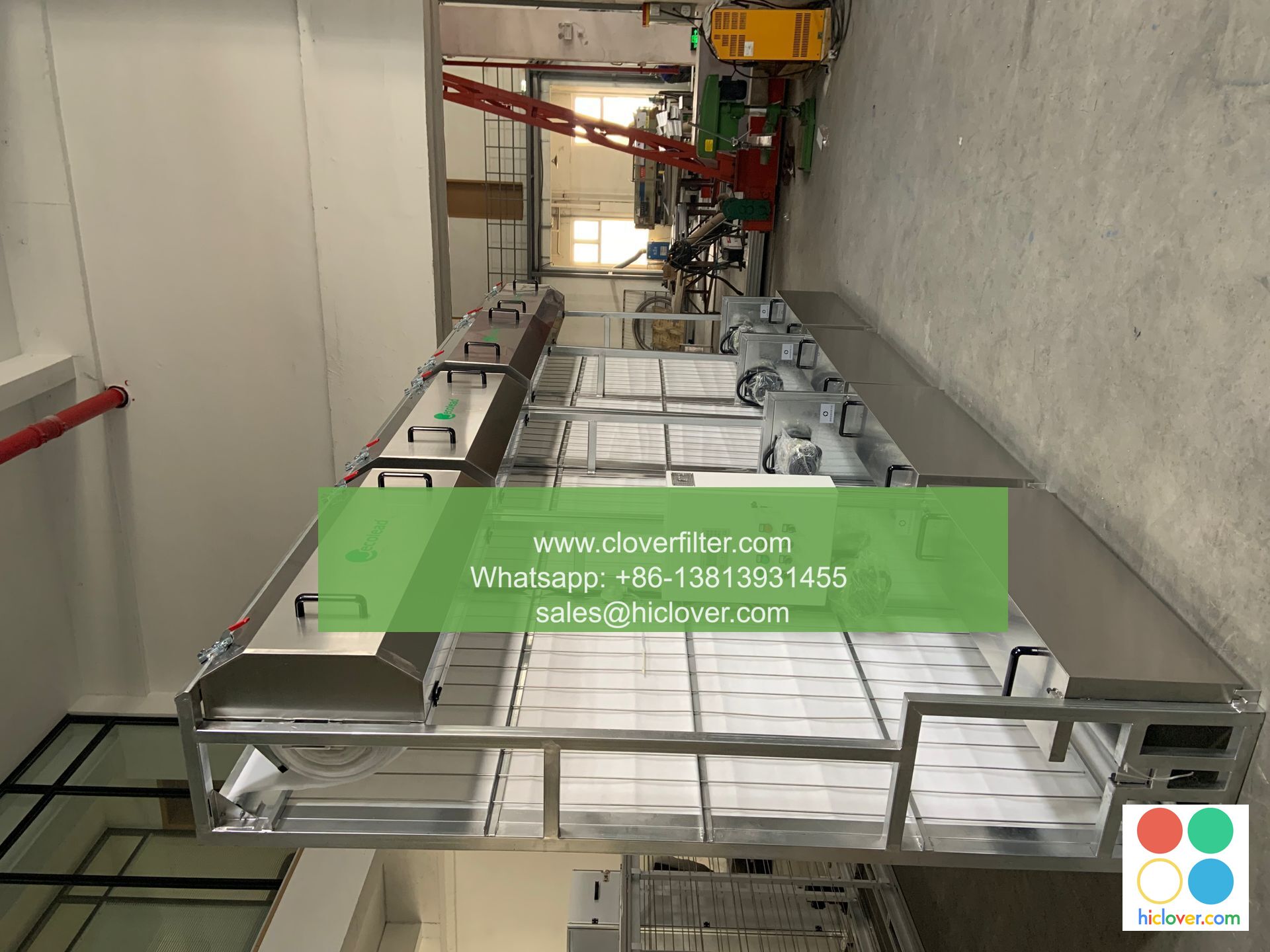
Understanding Automatic Roll Air Filters
Automatic roll air filters are designed to automatically replace the filter media as it becomes saturated. This not only helps in maintaining the airflow efficiency but also minimizes downtime as the operators don’t have to manually change filters frequently. They are often used in tandem with sophisticated monitoring systems that can alert personnel to changes in filter performance.
Common Issues and Troubleshooting
While automatic roll air filters are designed for efficiency, they can encounter several common issues:
- Clogged Filters: Over time, filters can become saturated with dust and particulates. Regular monitoring of air pressure differentials can help in diagnosing the issue.
- Mechanical Failures: Issues can arise within the mechanical components of the filter system, such as motors or sensors, leading to performance degradation.
- Control System Malfunctions: The automated system relies on electronic components that can sometimes fail, leading to improper filter operation.
- Seal Failures: It’s crucial to ensure that seals are intact to prevent unfiltered air from entering the cleanroom.
- Visual Inspection: Start with a thorough visual inspection for any signs of wear, mechanical damage, or dirt accumulation.
- Check Filter Pressure Differential: Measure the pressure differential across the filter. If it exceeds manufacturer specifications, it’s time to replace it.
- Inspect Electrical Components: Examine wiring, motors, and sensors for signs of malfunction. Conduct continuity tests if necessary.
- Test Control Systems: Ensure that the automated controls are functioning correctly. Resetting the system may resolve software hitches.
- Seal Check: Test all seals around the air filters to ensure that there are no leaks which could compromise the cleanroom integrity.
- Filter Replacement: Always replace filters with manufacturer-approved pieces to ensure compatibility and efficiency.
- Mechanical Repairs: For any mechanical issues, refer to the maintenance manual to ensure all repairs are performed in compliance with safety standards.
- Electrical Repairs: If any electrical components are faulty, replace them as soon as possible to restore full functionality.
- What is the lifespan of an automatic roll air filter?
- The lifespan can vary based on usage and environmental conditions, but typically, filters should be inspected every 3-6 months for efficacy.
- Can I repair my automatic roll air filter myself?
- While minor troubleshooting can often be performed, major repairs should be conducted by certified professionals to ensure compliance with safety standards.
- How often should I replace the filter media?
- Replacement frequency depends on the specific application and environmental factors, but regular monitoring of pressure differential will guide the timing accurately.
Troubleshooting Steps
To resolve issues with automatic roll air filters, follow these systematic troubleshooting steps:
Repair Procedures
If troubleshooting reveals specific issues, repair procedures can be initiated:
Conclusion
The functionality of automatic roll air filters in pharmaceutical cleanrooms is critical for maintaining the required environmental standards. By emphasizing routine maintenance and having a clear troubleshooting and repair protocol, cleanroom operators can ensure these systems work effectively. Proactive measures not only prevent costly downtime but also uphold product quality and regulatory compliance.
FAQs
