The Economics of Air Filter Ecosystems: Life-Cycle Cost Analysis
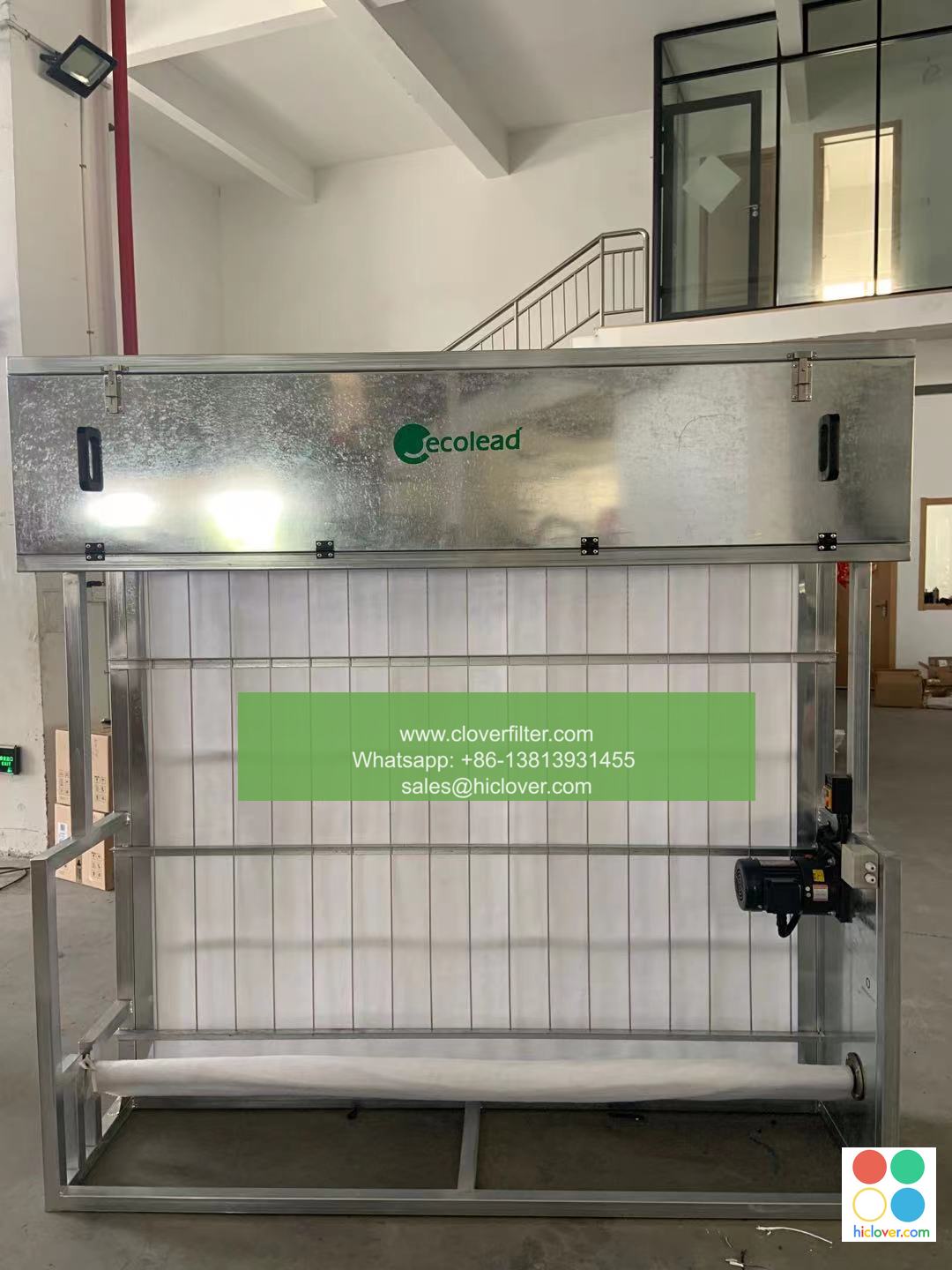
In recent times, the importance of clean air has taken center stage, especially in urban environments where pollution levels can be detrimental to health. One of the primary solutions for maintaining air quality is the use of advanced air filter ecosystems. However, the adoption of these systems requires a thorough understanding of their economics, particularly through the lens of life-cycle cost analysis (LCCA). This article delves into the associated costs, benefits, and application areas of air filter ecosystems.
Understanding Life-Cycle Cost Analysis (LCCA)

Life-cycle cost analysis is a method used to evaluate the total economic worth of a product, system, or project by assessing all of the costs associated with it throughout its life cycle. For air filter ecosystems, LCCA encompasses initial purchase costs, installation expenses, operational costs (including maintenance), and disposal fees at the end of their life. This holistic approach helps stakeholders make informed decisions that align economic and environmental goals.
Components of Air Filter Ecosystems
Air filter ecosystems are multifaceted systems designed to improve indoor and outdoor air quality. They typically consist of:
- Pre-Filters: Initial defense against large particles and contaminants.
- Main Filters: These are specialized filters, such as HEPA, activated carbon, or electrostatic filters that capture smaller particles and pollutants.
- Monitoring Systems: Instruments that track air quality, filter performance, and operational efficiency.
- Maintenance Programs: Scheduled services to replace filters and ensure optimal functioning.

Cost Factors in Air Filter Ecosystems
The costs associated with air filter ecosystems can broadly be categorized into the following:
1. Initial Costs
Initial costs include the price of the equipment and installation fees. These expenses can vary widely depending on the technology and scale of implementation.
2. Operational Costs
Operational costs encompass energy consumption, procurement of replacement filters, and routine maintenance. The efficiency of a filter affects its long-term energy and replacement costs, making careful selection critical.
3. Health and Environmental Benefits
While not directly financial, the health benefits derived from cleaner air can result in significant economic gains. Reduced healthcare costs, increased productivity, and improved quality of life are vital components of the overall value proposition for air filter systems.
Application Areas of Air Filter Ecosystems
The versatility of air filter ecosystems enables their deployment across various sectors:
1. Residential Settings
In homes, air filters aid in reducing allergens, smoke, and volatile organic compounds (VOCs). This improvement in indoor air quality is essential for families, particularly those with respiratory conditions.
2. Commercial Buildings
In the corporate world, ensuring good air quality leads to enhanced employee well-being and productivity. Many businesses are opting for advanced filtration systems as part of their health and safety protocols.
3. Healthcare Facilities
Hospitals and healthcare facilities require the highest standards of air quality to prevent infections and ensure patient safety. Specialized air filtration systems are crucial in these settings, making them a worthwhile investment despite the higher upfront costs.
4. Industrial Applications
Manufacturing plants often deal with significant amounts of dust and toxic particles. Implementing effective air filter ecosystems can improve worker safety and compliance with environmental regulations, creating long-term savings.
Conclusion
As air quality becomes an increasingly pressing concern, understanding the economics of air filter ecosystems through life-cycle cost analysis is paramount. By weighing the initial, operational, and long-term health costs and benefits, stakeholders can make informed decisions. Whether in residential, commercial, healthcare, or industrial settings, the application of air filter ecosystems not only contributes to better air quality but also serves as an economically sound investment for the future.
It seems like your message got cut off. Could you please provide more details or specify what you need help with? Whether it’s a writing prompt, a question, or something else, I’d be happy to assist!
