Ottawa Biotech Lab Achieves Improved Air Quality and Reduced Contamination Risk with Automatic Roll Air Filter System
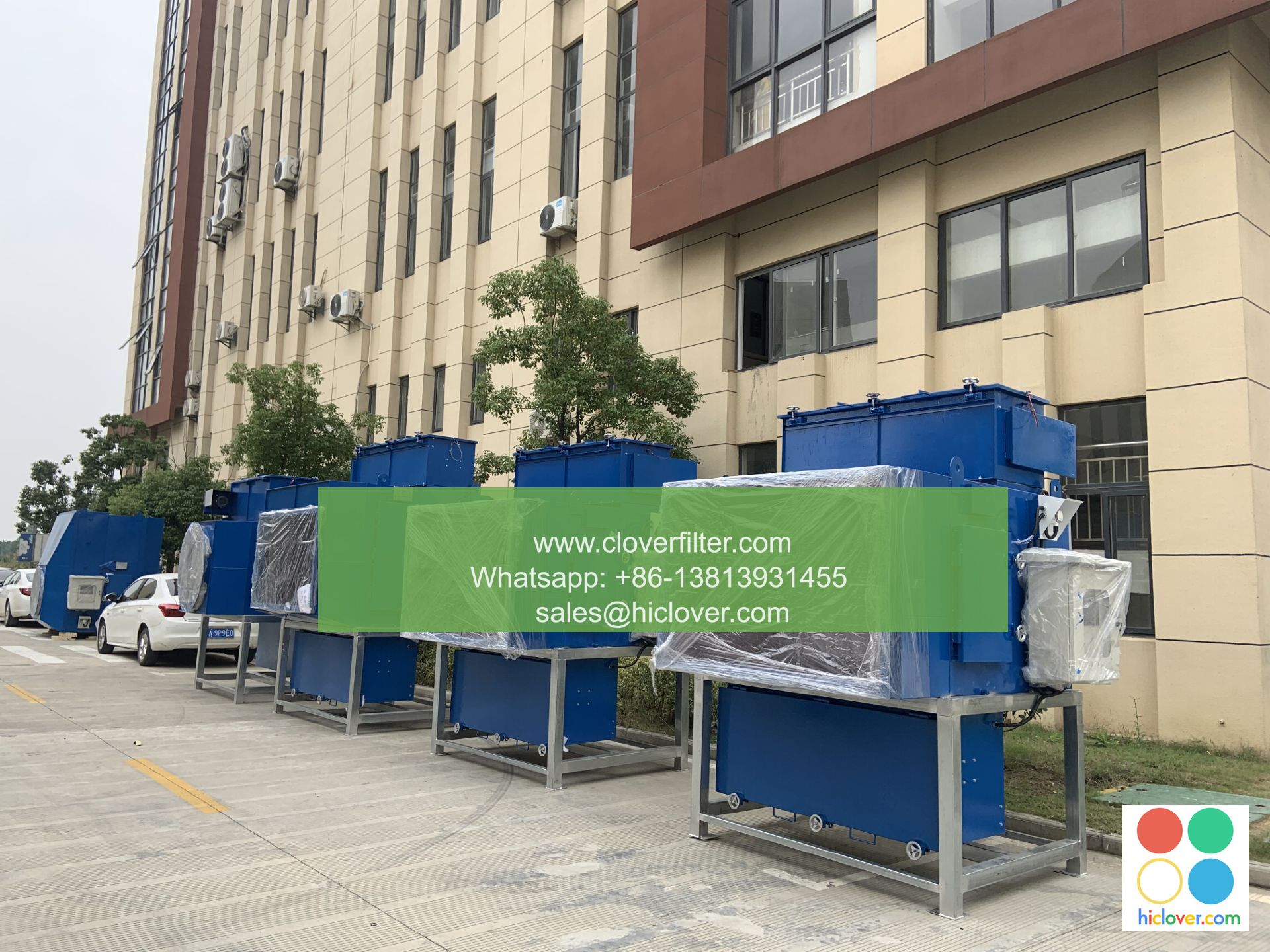
The need for advanced air filtration technology in laboratory settings has never been more crucial, especially in high-stakes environments like biotech laboratories. Ottawa’s pioneering biotech lab has recently set a new benchmark in laboratory safety and operational efficiency by implementing an innovative Automatic Roll Air Filter System (ARAFS). This state-of-the-art system is designed to address air quality concerns while significantly reducing contamination risks within the lab environment.

Understanding the Automatic Roll Air Filter System
The Automatic Roll Air Filter System integrates cutting-edge design with intelligent automation. This system features filters that automatically roll in and out, ensuring optimized air circulation and contamination removal. Unlike traditional filter systems that require manual changes and are often overlooked during routine maintenance, the ARAF system continuously monitors air quality and adjusts its filtration processes accordingly.
This advancement not only enhances air quality but also minimizes the likelihood of human error, which can lead to contamination. Filters are replaced or cleaned seamlessly at scheduled intervals, maintaining a reliable barrier against airborne particulates, pathogens, and other harmful substances that can interfere with sensitive experiments.
Improved Air Quality
One of the most significant advantages of the ARAF system is its ability to consistently maintain high air quality standards. The laboratory had been struggling with fluctuating air quality that could potentially compromise the integrity of its research and development activities. With the implementation of the ARAF, the lab has reported a substantial decrease in particulate matter and aerosols within the workspace.

The automated adjustments in filtration not only provide cleaner air but also contribute to the overall comfort and health of laboratory personnel, reducing the risks of respiratory issues and enhancing their productivity. The system also features real-time air quality monitoring, allowing staff to receive feedback and alerts when certain thresholds are exceeded, thus empowering them to respond proactively.
Reduced Contamination Risk
Contamination is a primary concern in biotech labs, where even minute amounts of unwanted substances can lead to erroneous results. The ARAF system’s ability to minimize contamination risks has been transformative. By ensuring that the air quality remains consistently within acceptable limits, the lab’s researchers are able to conduct their work with greater assurance of the validity of their results.
Furthermore, the automated nature of the system eliminates the chance of delays or inconsistencies from manual filter replacements, providing a robust layer of reliability that is crucial for maintaining compliance with industry standards. The ARAF system is engineered to adapt to varying workload demands, optimizing filtration based on real-time data, thus ensuring it operates effectively during peak activity periods.
Conclusion
In a sector where precision and safety are paramount, Ottawa’s biotech lab has set a new standard through the implementation of the Automatic Roll Air Filter System. With enhanced air quality and reduced contamination risks, the lab is not only safeguarding the health and safety of its personnel but also ensuring that its groundbreaking research is conducted under the best possible conditions. As biotechnological innovations continue to evolve, the integration of such advanced systems demonstrates a commitment to excellence and leadership in lab safety protocols.
FAQs
What is the Automatic Roll Air Filter System?
The Automatic Roll Air Filter System (ARAFS) is an advanced filtration technology designed to automatically manage the air quality in laboratory environments, reducing the risk of contamination through continuous air monitoring and automated filter adjustments.
How does the ARAF system improve air quality?
The ARAF system improves air quality by continuously filtering out airborne particulates and pathogens, ensuring a clean and safe environment for laboratory activities.
What are the benefits of using automated systems in labs?
Automated systems like the ARAF enhance reliability by reducing human error, optimizing operational efficiency, and saving time on manual maintenance, all of which are crucial for high-stakes laboratory work.
Is the ARAF system expensive to implement?
While the initial investment may be significant, the long-term benefits such as improved operational efficiency, enhanced safety, and reduced contamination risks often justify the costs associated with implementing an automatic filtration system.
