Boeing’s Cleanroom Best Practices: The Implementation of Automatic Roll Air Filters

Understanding Cleanroom Environments
Cleanrooms are critical to ensuring the integrity and performance of aerospace products. Boeing, a leader in the aviation industry, has established strict protocols and best practices to maintain the highest level of cleanliness in its manufacturing and assembly facilities. Central to these practices is the strategic implementation of Automatic Roll Air Filters.

The Role of Automatic Roll Air Filters
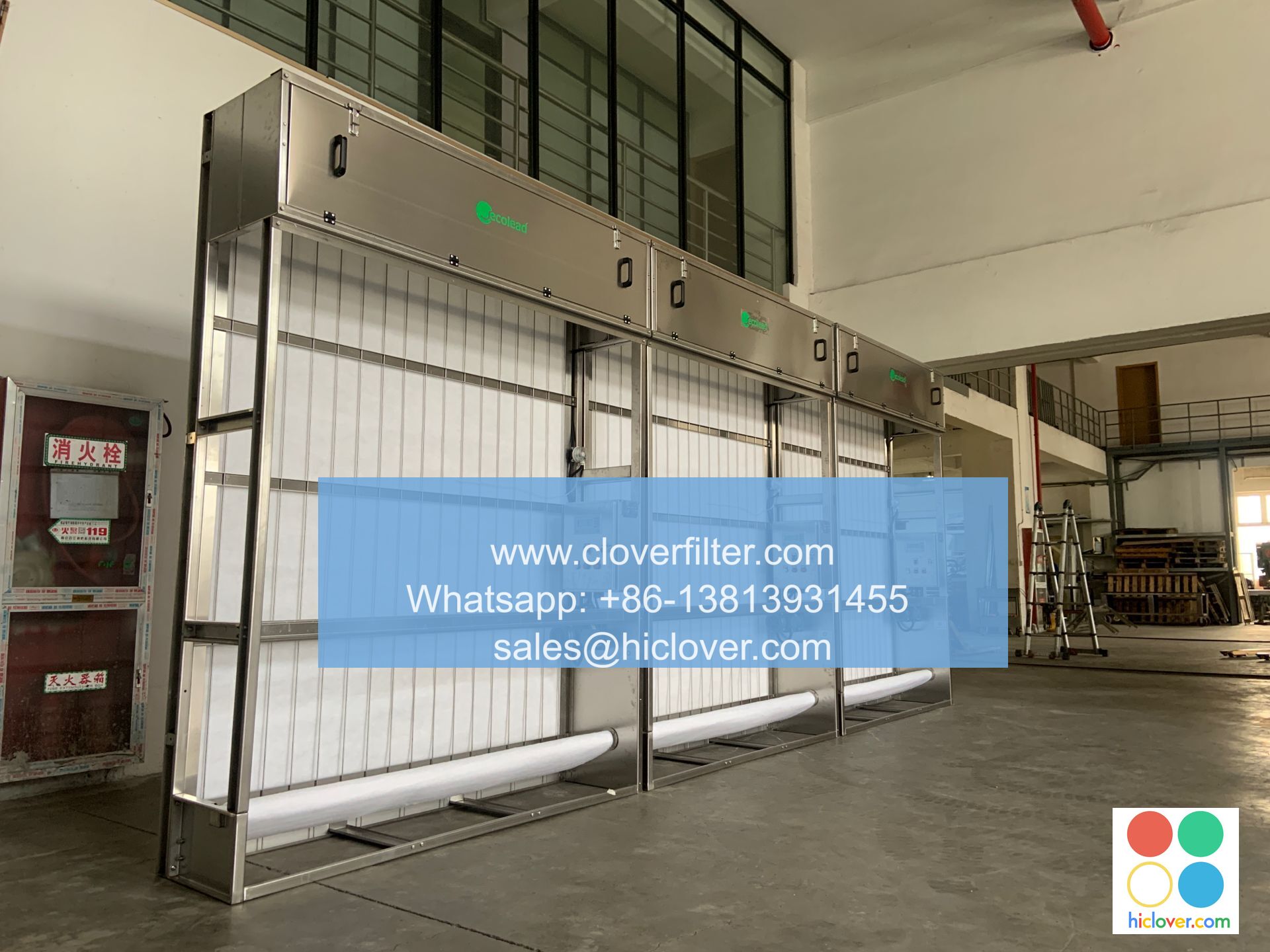
Automatic Roll Air Filters are an advanced solution designed to enhance the air quality in cleanroom environments. These filters automatically regulate air circulation and filtration, ensuring that contaminants are minimized effectively. By employing these filters, Boeing can maintain the stringent ISO cleanliness standards required for aerospace components.
Benefits of Using Automatic Roll Air Filters
- Enhanced Air Quality: These filters provide a continuous supply of clean air, essential for mitigating the risk of product contamination.
- Energy Efficiency: Automatic Roll Air Filters significantly reduce energy consumption compared to traditional systems, promoting sustainable practices.
- Cost-Effectiveness: By requiring less frequent replacements and maintenance, these filters offer long-term savings while maintaining optimal performance.
- Ease of Use: The automatic functionality minimizes the need for manual adjustments, allowing for more consistent operation.
- Assessment of Cleanroom Requirements: Identifying the specific air quality and cleanliness levels required for different manufacturing processes.
- System Design: Collaborating with engineering teams to design air filtration systems tailored to unique production areas.
- Installation and Testing: Ensuring proper installation and conducting rigorous testing to confirm compliance with cleanliness standards.
- Monitoring and Maintenance: Establishing a schedule for regular monitoring and maintenance to ensure the systems function optimally.
- Aircraft Assembly: Maintaining an ultra-clean environment for the assembly of commercial and military aircraft.
- Research and Development: Ensuring that sensitive experiments and tests are conducted in contaminant-free conditions.
- Production of Avionics: Protecting delicate electronic components from dust and particulate matter.
- Finishing and Coating: Allowing for high-quality paint and coating applications that meet rigorous industry standards.
Implementation Strategies at Boeing
Boeing’s adoption of Automatic Roll Air Filters is part of a larger strategy to integrate cutting-edge technologies into their manufacturing processes. The implementation involves several key steps:
Application Areas Across Boeing Facilities
The application of Automatic Roll Air Filters spans various sectors within Boeing’s operations, including:
Conclusion
Boeing’s implementation of Automatic Roll Air Filters exemplifies their commitment to maintaining the highest cleanliness standards in the aerospace industry. By integrating advanced technology into cleanroom management, Boeing not only enhances the quality of its products but also emphasizes sustainability and cost-efficiency. As the aerospace sector continues to evolve, best practices like these will play a crucial role in shaping the future of manufacturing.
