The Future of Data Hall Maintenance: Benefits of Self-Cleaning Filters
Introduction

As data centers become increasingly vital to our digital economy, the importance of efficient maintenance practices cannot be overstated. With the rapid growth of cloud computing, big data, and IoT devices, data halls face mounting operational pressures. One of the most promising advancements in this arena is the adoption of self-cleaning filters, which offer a transformative solution to the challenges of traditional data hall maintenance.
The Importance of Data Hall Maintenance
Data hall maintenance is critical for ensuring operational efficiency and reliability. Upscale data centers require precise control over temperature and humidity levels, as overheating can lead to equipment failure and data loss. Traditional maintenance methods often involve manual labor, costly downtime, and labor-intensive filter maintenance. This is where self-cleaning filters come into play.
What are Self-Cleaning Filters?

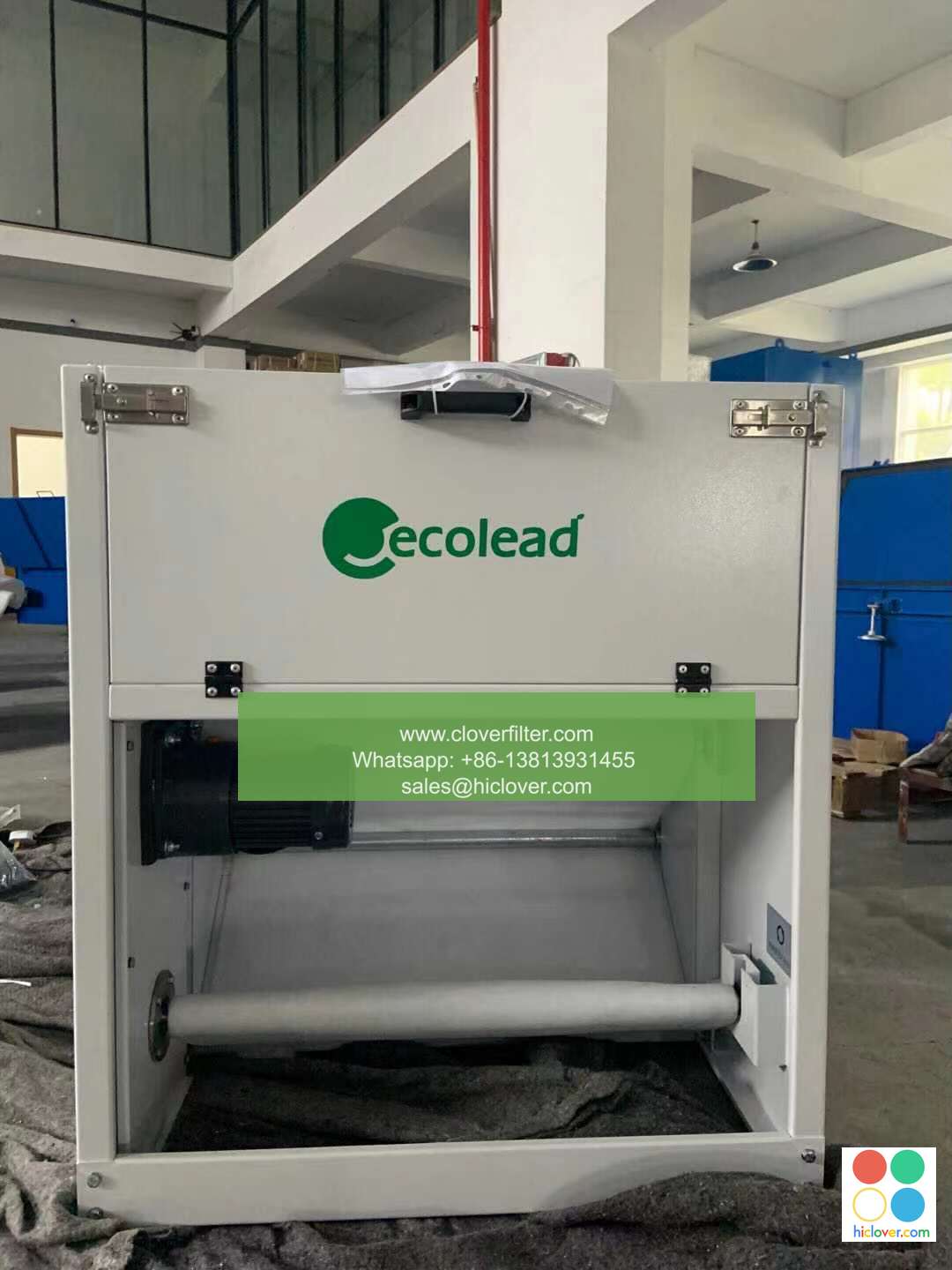
Self-cleaning filters are advanced filtration systems designed to automatically remove accumulated dust, debris, and contaminants without the need for manual intervention. Utilizing technologies such as electromagnetic or pneumatic backwashing, these filters maintain optimal airflow and prolong the life of HVAC systems in data halls.
Benefits of Self-Cleaning Filters
1. Enhanced Efficiency
By reducing the need for frequent filter changes, self-cleaning filters ensure that HVAC systems operate at peak efficiency. This can lead to improved cooling performance, which is vital for the longevity of data center equipment.
2. Cost Reduction
Maintenance costs drop significantly because self-cleaning systems minimize the need for manual cleaning and replacements. Additionally, improved energy efficiency translates to lower electricity bills, providing substantial savings over time.
3. Improved Reliability
Continuous upkeep of air quality reduces the likelihood of system failures. Self-cleaning filters support a more stable environment, ultimately contributing to enhanced operational reliability in data centers.
4. Environmental Benefits
With a reduced frequency of waste generation (i.e., used filters), self-cleaning systems contribute to greener data hall practices. Less waste means less impact on landfills, aligning with sustainability goals.
Applications of Self-Cleaning Filters
The versatility of self-cleaning filters extends beyond data halls. A range of other applications can greatly benefit from their implementation:
1. Telecommunications
In telecommunications, ensuring the clean operation of cooling systems is critical to maintaining reliable service. Self-cleaning filters provide consistent airflow, preventing overheating in telecom gear.
2. Industrial Manufacturing
Manufacturing facilities require strict air quality standards. Self-cleaning filters enhance air filtration processes and reduce downtime associated with filter maintenance.
3. Healthcare Facilities
Hospitals and clinics require immaculate air filtration to prevent contaminants from affecting sensitive environments. Here too, self-cleaning filters offer significant advantages in maintaining sterile conditions.
4. Data Processing and Storage
In cloud computing and big data analytics, the need for efficient data processing cannot be overstated. Ensuring that data centers operate seamlessly aids in data processing speed and reliability.
Conclusion
The future of data hall maintenance is bright with the integration of self-cleaning filters. By enhancing efficiency, reducing costs, and improving reliability, these advanced systems represent a logical evolution in the management of data centers. As technology continues to advance, self-cleaning filters will likely play a pivotal role across various applications, leading the way toward more sustainable and efficient operations.
It seems like your message might be incomplete or could use some clarification. How can I assist you today? Are you looking for a specific prompt for writing, a creative idea, or something else? Let me know!
