Revolutionizing Disaster Relief: The Impact of Automatic Roll Ventilation Filters in Kenya
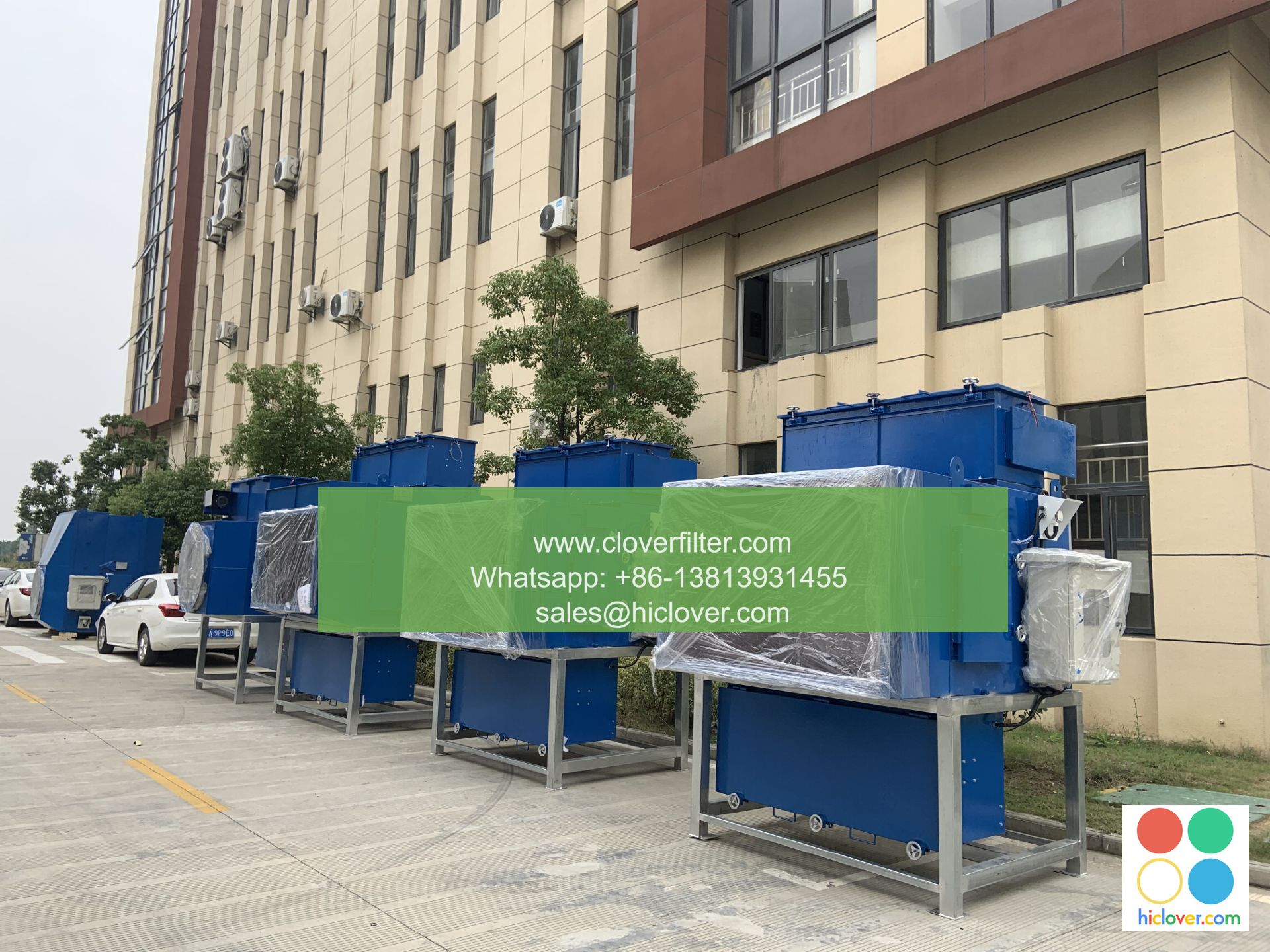
In recent years, Kenya has faced a multitude of challenges, including natural disasters such as floods, droughts, and the pressing need for effective disaster relief solutions. One of the most innovative technologies to emerge in this sector is the use of automatic roll ventilation filters. These devices not only enhance air quality and safety during emergencies but also streamline the logistics of disaster response.
The Need for Effective Disaster Relief Solutions
Kenya’s diverse climate and geography make it susceptible to various disasters, affecting thousands of lives. Traditional disaster relief methods often struggle with issues related to contamination, air quality, and the efficient transportation of aid. Here, ventilation filters play a crucial role by ensuring clean air and safe environments.
Understanding Automatic Roll Ventilation Filters
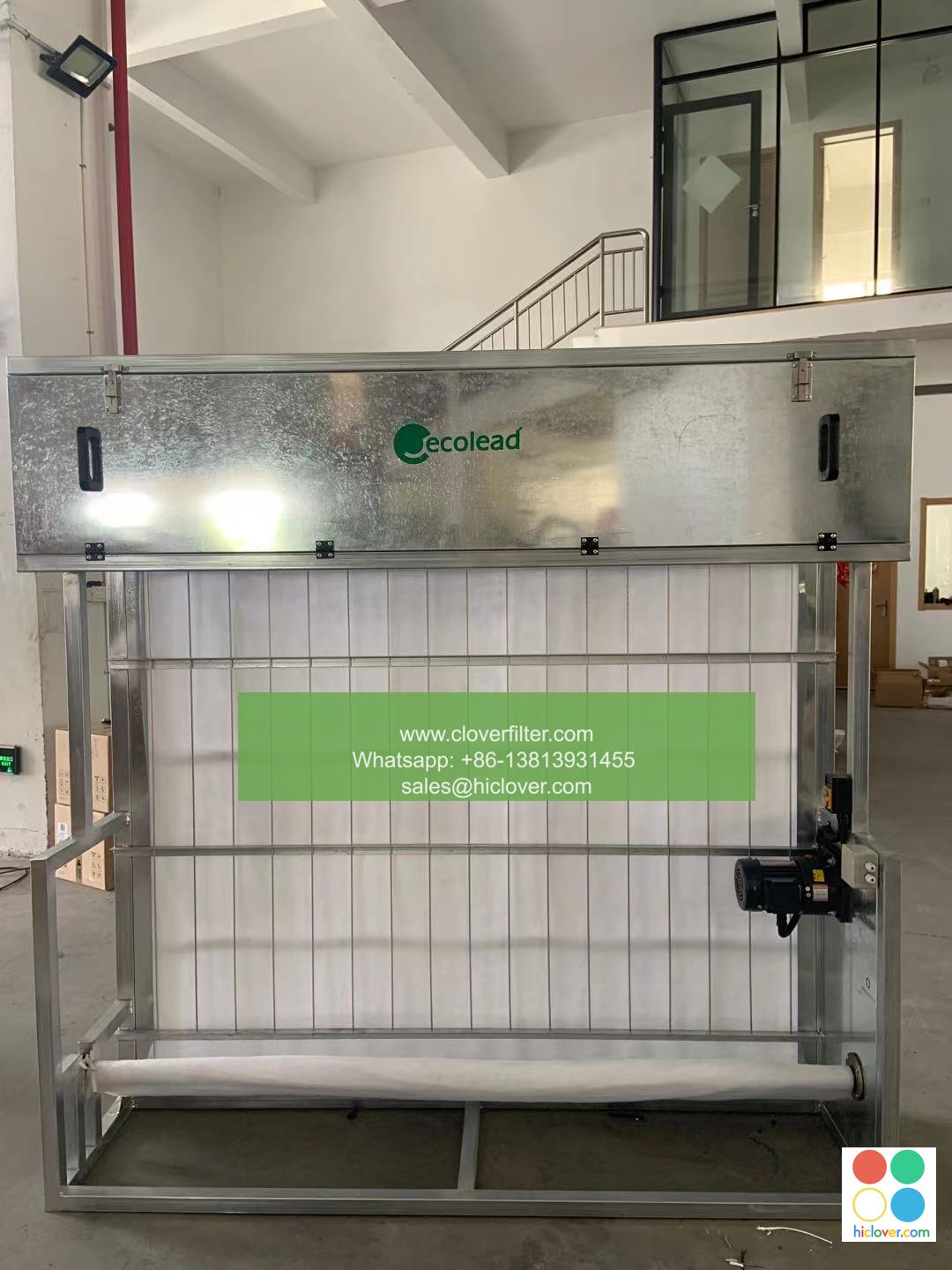
Automatic roll ventilation filters are advanced air filtration systems designed to operate with minimal human intervention. They automatically adjust to environmental conditions, rolling down to provide protection against airborne contaminants while allowing for improved airflow. This technology is vital in disaster scenarios where air quality can dramatically diminish.
Application Areas of Automatic Roll Ventilation Filters in Disaster Relief
- Emergency Shelters: During disasters, large numbers of displaced individuals seek refuge in shelters. These shelters often lack adequate ventilation, leading to poor air quality and increased health risks. Automatic roll ventilation filters can be installed to maintain a safe environment.
- Medical Facilities: In times of crisis, medical facilities are overwhelmed. Airborne pathogens can pose significant risks. These filters help in purifying the air, ensuring that patients and healthcare workers remain safe from infections.
- Relief Transportation: Distributing aid can be challenging in disaster zones. Trucks or vehicles carrying supplies can be equipped with these filters to ensure that food and medicine remain uncontaminated throughout transportation.
- Community Centers: Post-disaster, community centers play a vital role in recovery efforts. Ensuring that these spaces have good air quality is essential to encourage gatherings and discussions that aid in the recovery process.
- Improved Air Quality: These filters reduce pollution, allergens, and pathogens, which is essential for maintaining good health during disasters.
- Cost-Effectiveness: The automation of these filters reduces the need for constant monitoring and manual adjustments, saving valuable resources during emergencies.
- Flexibility and Scalability: These systems can be easily deployed in various settings, making them adaptable to different disaster scenarios.
- Enhanced Safety: By ensuring a clean air supply, these filters increase the overall safety of affected populations.
Benefits of Implementing Automatic Roll Ventilation Filters
The implementation of automatic roll ventilation filters in Kenya’s disaster relief efforts comes with numerous advantages:
Challenges and Future Prospects
While the benefits are promising, the adoption of automatic roll ventilation filters in Kenya is not without challenges. Limited funding, technical expertise, and infrastructure issues can hinder their widespread implementation. However, with the growing emphasis on technological solutions in disaster response, partnerships between governments, NGOs, and tech companies can pave the way for future advancements.
Conclusion
Kenya stands at the forefront of innovation in disaster relief with the incorporation of automatic roll ventilation filters. This technology exemplifies a proactive approach to managing the repercussions of natural disasters and ensures that vulnerable populations receive the support they need. As Kenya continues to develop its disaster response strategies, the role of such innovations will only grow, ultimately enhancing resilience and recovery in affected communities.
It seems you’ve entered “Prompt.” Could you please provide more context or specify what you’d like assistance with? Whether it’s writing, generating ideas, or anything else, I’m here to help!
