The Role of Air Filters in Reducing Formaldehyde in New Construction
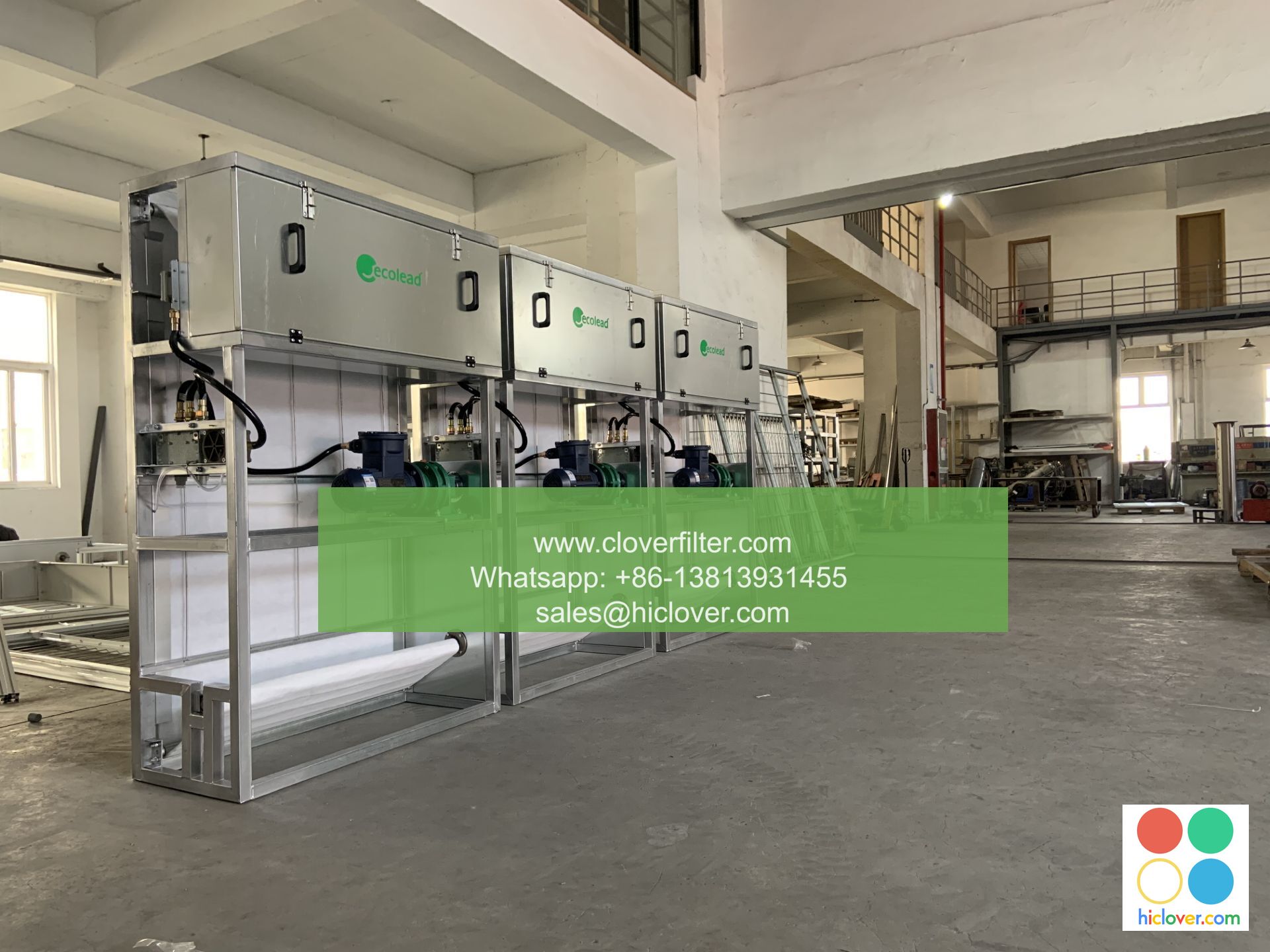
In the realm of new construction, ensuring healthy indoor air quality is paramount. One of the significant pollutants to consider is formaldehyde, a chemical commonly found in various building materials. This article explores how air filters play a crucial role in minimizing formaldehyde levels, ensuring safer environments for occupants.
Understanding Formaldehyde and Its Effects

Formaldehyde is a colorless gas with a strong odor, utilized in an array of products, including wood products, glues, and various finishes. While it contributes to the durability of construction materials, prolonged exposure can lead to health effects such as:
- Eye and respiratory issues
- Skin irritation
- Increased risk of certain cancers
Due to these concerns, controlling formaldehyde levels in newly constructed buildings has become a necessity for builders, architects, and homeowners.

How Air Filters Help in Reducing Formaldehyde
Utilizing air filters is one of the most effective strategies for reducing indoor formaldehyde concentrations. Here’s how they work:
1. Filtration of Indoor Air
High-efficiency air filters are designed to capture a wide range of airborne pollutants, including volatile organic compounds (VOCs) like formaldehyde. By integrating these filters into the HVAC systems of new constructions, homeowners can significantly reduce the amount of formaldehyde circulating in the air.
2. Types of Air Filters
Not all air filters are created equal. Here’s a breakdown of the types specifically effective for reducing formaldehyde:
- HEPA Filters: Known for their high efficiency in trapping small particles, they also capture some gases, including formaldehyde.
- Activated Carbon Filters: These filters utilize carbon to adsorb gases, making them highly effective in removing formaldehyde and other VOCs from the air.
- Pco (Photocatalytic Oxidation) Filters: Combining UV light with a catalyst, these filters can effectively break down formaldehyde into harmless substances.
Applications in New Construction
Air filters are beneficial in various areas of new construction, including:
Residential Buildings
For homes, especially those with new furniture and finishes, air filters can significantly improve indoor air quality. Ensuring proper ventilation combined with effective filtration means healthier living spaces.
Commercial Spaces
Office buildings and commercial spaces frequently utilize formaldehyde-laden materials. Implementing robust air filtration systems can protect employees from health hazards, promote productivity, and enhance well-being.
Schools and Hospitals
In educational institutions and healthcare facilities, maintaining low levels of formaldehyde is critical. Air filters not only provide clean air but also support compliance with health standards and regulations.
Best Practices for Implementation
To maximize the effectiveness of air filters in reducing formaldehyde, consider the following best practices:
- Choose the right type of filter for your needs.
- Regularly replace filters according to manufacturer recommendations.
- Ensure proper installation and maintenance of HVAC systems.
- Incorporate additional air purification technologies as needed.
Conclusion
As the focus on indoor air quality continues to grow in the world of new construction, the role of air filters in reducing formaldehyde becomes increasingly significant. By investing in quality air filtration systems, builders and homeowners can create healthier environments that mitigate risks associated with formaldehyde exposure, ultimately improving the quality of life for all occupants.
It seems like your message got cut off. Could you please provide more details or specify the prompt you’d like me to assist with?
