How Air Filter Converters Can Help Reduce Energy Consumption in Commercial Buildings


Understanding Air Filter Converters
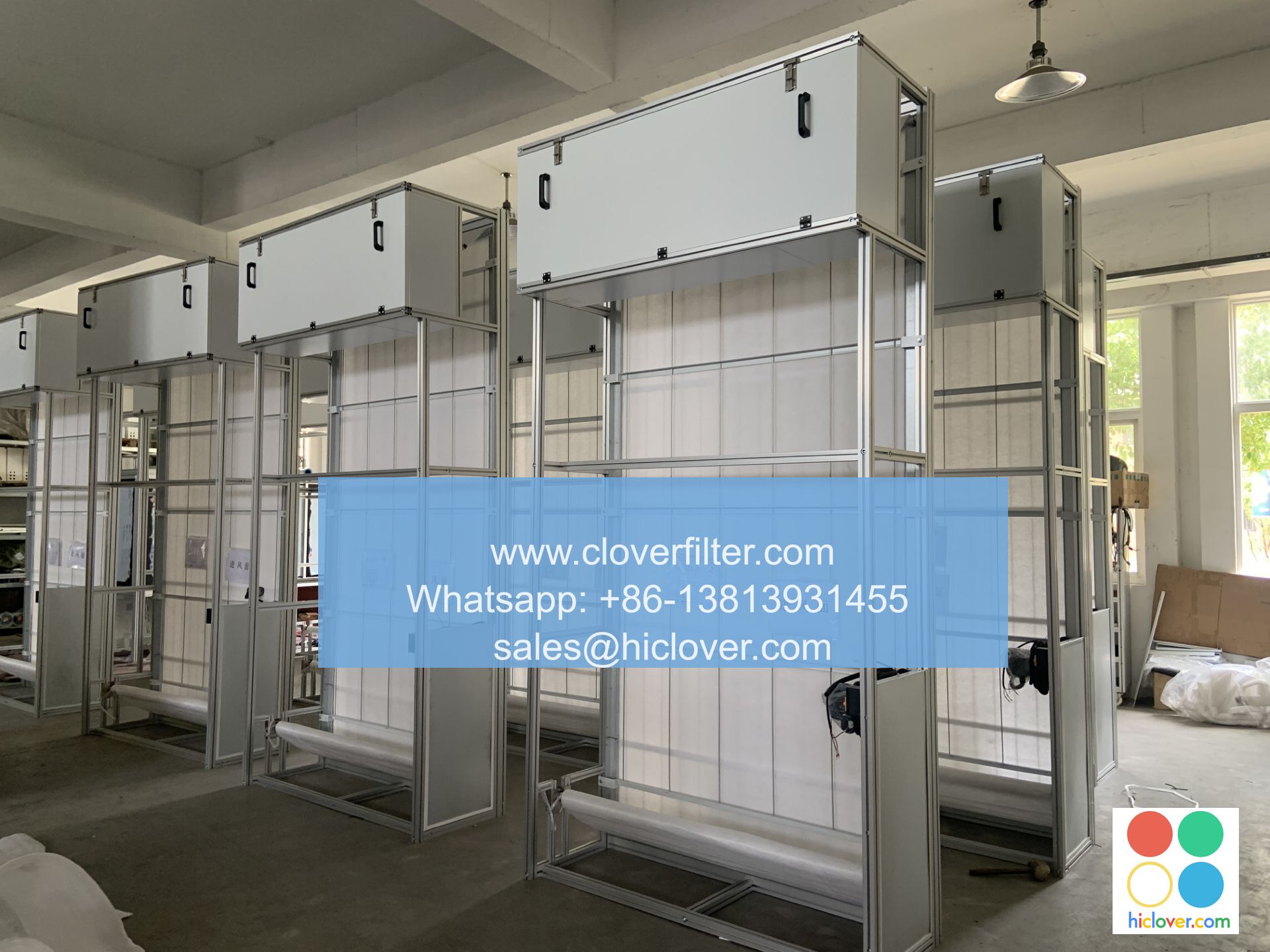
Air filter converters are innovative devices that enhance the efficiency of air filtration systems used in various commercial settings. By converting standard filters into high-performance solutions, these converters ensure better airflow, reduced resistance, and ultimately, energy savings. The growing emphasis on sustainability and energy efficiency in today’s commercial buildings makes the adoption of air filter converters a pivotal step in reducing operational costs.
Energy Savings through Enhanced Airflow
One of the primary advantages of air filter converters is their ability to improve airflow in HVAC (Heating, Ventilation, and Air Conditioning) systems. Conventional air filters can create a significant amount of static pressure that forces HVAC systems to work harder to maintain desired temperatures. By utilizing air filter converters, commercial buildings experience less resistance, allowing their systems to operate more efficiently. This improved efficiency translates directly into reduced energy consumption and lower utility bills.
Applications in Various Commercial Sectors
Air filter converters have versatile applications across different sectors, further cementing their role in energy efficiency.
- Office Buildings: In busy office environments, air filter converters allow for better indoor air quality by reducing airborne pollutants while simultaneously decreasing energy usage.
- Industrial Facilities: In industrial settings, these converters can enhance air filtration in manufacturing processes, leading to significant energy savings and compliance with environmental regulations.
- Healthcare Institutions: Hospitals and clinics require stringent air quality standards. Air filter converters can help maintain these standards without burdening energy resources.
- Retail Spaces: In retail environments, improved HVAC efficiency helps provide a comfortable shopping experience while reducing costs associated with energy consumption.
Long-Term Benefits and Sustainability
Investing in air filter converters not only leads to immediate energy savings but also contributes to the long-term sustainability goals of commercial buildings. Improved energy efficiency reduces greenhouse gas emissions, aligns with corporate responsibility initiatives, and enhances building performance certifications, such as LEED (Leadership in Energy and Environmental Design).
Conclusion
Reducing energy consumption in commercial buildings is not just about cutting costs; it’s also about promoting a sustainable future. Air filter converters play a critical role in achieving this by enhancing HVAC efficiency, improving air quality, and providing economic advantages across various application areas. As businesses strive to meet energy efficiency targets and reduce their environmental footprint, investing in air filter converters emerges as a smart and responsible strategy.
It looks like your message might have been cut off. Could you please provide more details or clarify what you would like assistance with? Whether it’s writing, brainstorming ideas, or answering questions, I’m here to help!
