Enhancing Fish Processing Efficiency with Self-Advancing Roll Filters
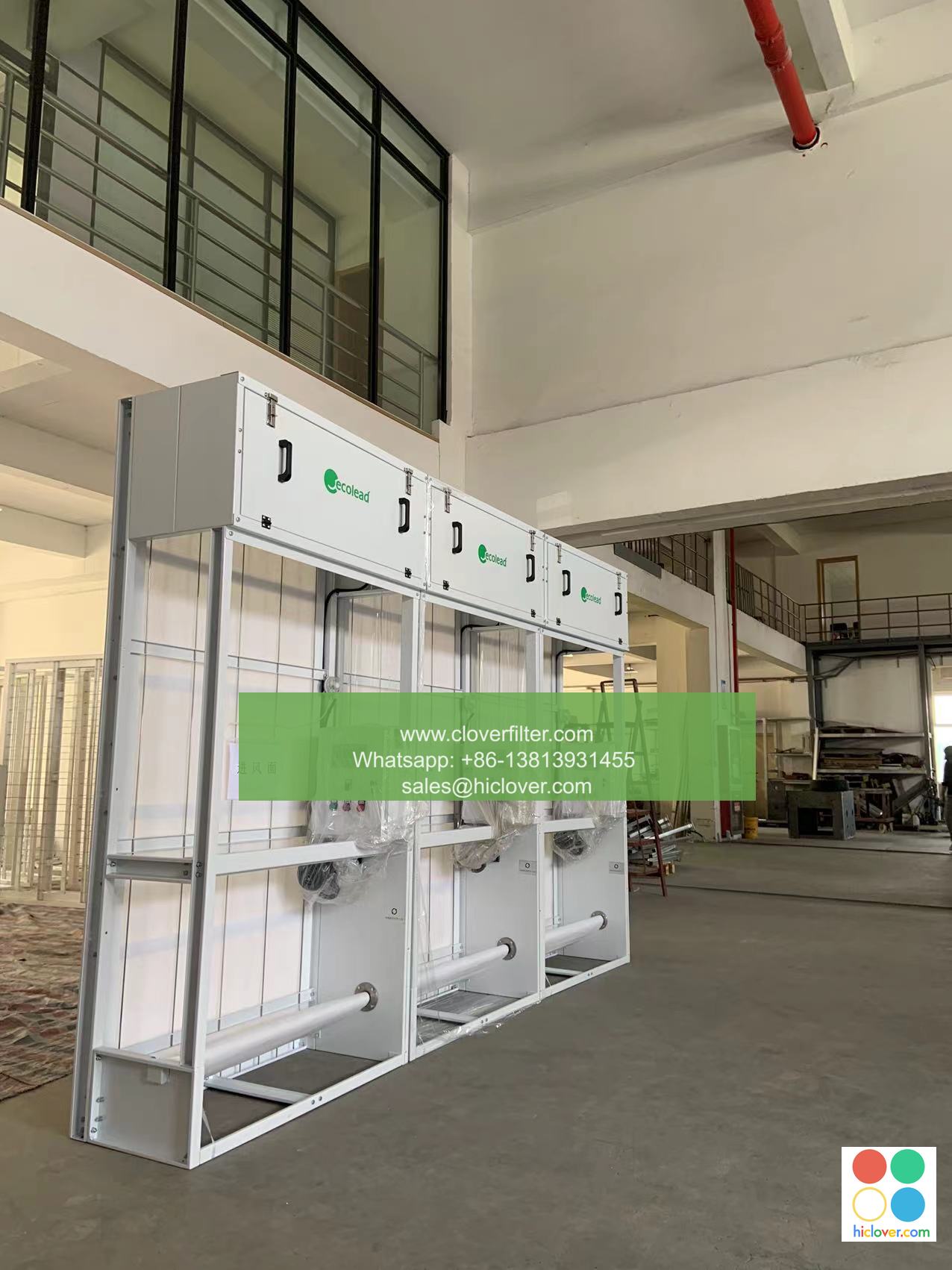
In a world where seafood consumption is on the rise, the efficiency of fish processing operations has become more critical than ever. To meet the increasing demand and ensure high-quality products, the fish processing industry is embracing innovative technologies like self-advancing roll filters. This article explores the benefits, installation, maintenance, and various application areas of self-advancing roll filters, shedding light on how they enhance the efficiency of fish processing.
What Are Self-Advancing Roll Filters?

Self-advancing roll filters are sophisticated filtration systems designed to separate solids from liquids. In fish processing, they play a pivotal role in streamlining operations by efficiently removing debris, sludge, and unwanted particulate matter from processing water. These filters consist of a roll that advances automatically, ensuring continuous operation and minimal downtime.
Key Benefits of Self-Advancing Roll Filters
1. Increased Efficiency
One of the primary advantages of self-advancing roll filters is their ability to enhance operational efficiency. By automating the filtration process, these systems reduce the need for manual intervention, allowing staff to focus on more critical tasks. This leads to faster processing times and improved workflow.
2. Cost-Effectiveness
Investing in high-quality self-advancing roll filters can lead to significant cost savings in the long run. By minimizing waste and maximizing resource utilization, fish processing plants can reduce operational costs. Furthermore, the durability of these filters translates to lower maintenance and replacement expenses.

3. Enhanced Product Quality
Maintaining the quality of fish products is paramount in the seafood industry. Self-advancing roll filters effectively remove impurities from processing water, thus ensuring cleaner and safer output. This results in higher-quality fish products that are more appealing to consumers.
4. Environmental Sustainability
With growing concerns regarding environmental stewardship, the seafood industry is tasked with adopting sustainable practices. Self-advancing roll filters contribute to this goal by efficiently recycling water and reducing waste generated during fish processing. By promoting a circular economy, these filters help companies comply with environmental regulations.
Applications of Self-Advancing Roll Filters
1. Processing Plants
Self-advancing roll filters are predominantly utilized in fish processing plants where the separation of solid waste from wastewater is essential. They streamline the entire operation, from the initial processing stages to the final packaging, ensuring a clean and efficient workflow.
2. Aquaculture
In aquaculture, self-advancing roll filters help maintain water quality in fish farms by removing sludge and other solid materials from the water. This not only promotes better fish health but also improves overall farm productivity.
3. Wastewater Treatment Facilities
Self-advancing roll filters are increasingly being adopted in wastewater treatment facilities to process effluents generated from fish processing. By effectively removing contaminants, they help meet regulatory standards and prevent environmental pollution.
4. Research Facilities
In research settings, such as marine biology and fisheries studies, self-advancing roll filters can be employed to ensure the quality of water used for fish experiments and breeding programs. This ensures that research outcomes are reliable and accurate.
Considerations for Implementation
When integrating self-advancing roll filters into a fish processing operation, several factors must be considered:
- Compatibility: Ensure that the filter system is compatible with existing processing equipment.
- Training: Provide adequate training for staff to operate and maintain the filters efficiently.
- Monitoring: Implement a monitoring system to assess the performance of filters and make necessary adjustments.
Conclusion
In conclusion, self-advancing roll filters are revolutionizing the fish processing industry by enhancing efficiency, ensuring product quality, and promoting sustainability. From processing plants to aquaculture and wastewater treatment, their versatile applications can lead to significant advancements in operational practices. As the seafood industry continues to evolve, embracing innovative technologies like self-advancing roll filters will be key to meeting consumer demands and driving economic growth.
By integrating self-advancing roll filters into fish processing operations, companies can not only boost their productivity but also reinforce their commitment to quality and environmental responsibility. With these advancements, the future of fish processing looks promising, efficient, and sustainable.
It seems like you entered “Prompt” without any additional context. Could you please provide more details or specify what you’d like to discuss or ask about? Whether it’s a writing prompt, a question, or a topic for conversation, I’m here to help!
