How to Develop a Comprehensive Air Filter Program for Your Chemical Plant
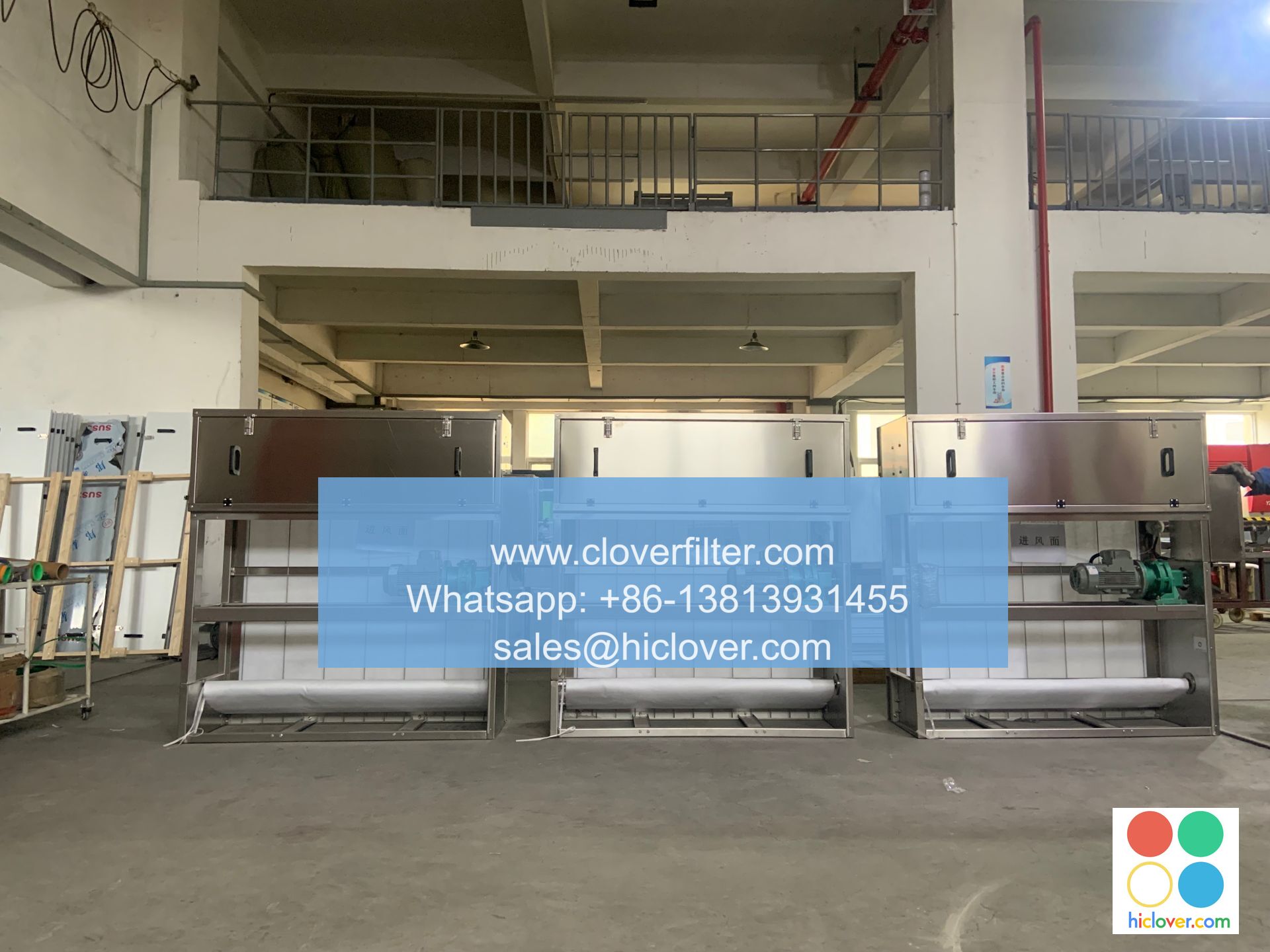
As environmental concerns grow and regulations become stricter, developing a comprehensive air filter program is essential for chemical plants. Such programs not only ensure compliance with legal standards but also improve workplace safety and enhance productivity. This article will guide you through the steps to develop an effective air filter program tailored to your chemical processing facility.
Understanding the Need for Air Filtration in Chemical Plants

Importance of Air Quality Management
Chemical plants are often involved in processes that release hazardous substances into the air. Implementing a robust air filtration program is crucial for:
- Health Protection: Safeguarding employees from inhaling toxic fumes.
- Regulatory Compliance: Meeting local, national, and international air quality standards.
- Environmental Stewardship: Reducing the overall carbon footprint and ensuring cleaner emissions.
Applications of Air Filter Programs

Air filter programs can have diverse applications within chemical plants, including:
- Control of VOCs (Volatile Organic Compounds): Effective filters can capture harmful VOCs released during chemical processes.
- Dust and Particulate Matter Reduction: Ensuring that airborne particulates generated during manufacturing are filtered out to maintain a clean environment.
- Chemical Fume Mitigation: Using specialized filters to capture and neutralize hazardous chemical fumes.
Steps to Implement an Air Filter Program
1. Assess Current Air Quality
Conduct an initial assessment of the existing air quality in the chemical plant. This includes:
- Monitoring air pollutant levels using air quality sensors.
- Performing an audit of current filtration systems to gauge their effectiveness.
2. Identify Air Contaminants
Understanding the specific contaminants your chemical plant releases is critical. Common contaminants include:
- Gases: Such as solvents and other chemicals.
- Particulates: Including dust, smoke, and mists.
- Bioaerosols: Such as mold spores, bacteria, and other microorganisms.
3. Select Appropriate Filters
Choosing the right type of air filters is essential for an effective program. Consider these options:
- HEPA Filters: Effective for removing 99.97% of particles as small as 0.3 microns, ideal for controlling dust and particulates.
- Activated Carbon Filters: Excellent for VOC and chemical removal. They absorb harmful gases and odors.
- Electrostatic Precipitators: Suitable for heavy dust loads and used in high-volume air filtration applications.
4. Design a Maintenance Schedule
Regular maintenance is essential to ensure that air filters function optimally. Develop a comprehensive maintenance schedule that includes:
- Regular inspections of filter efficiency.
- Timely replacements based on filter type and usage patterns.
- Periodic cleaning of filtration systems to remove build-up and enhance performance.
5. Educate Your Staff
Train your employees on the importance of air quality and the role of air filtration. Focus on:
- Proper use of personal protective equipment (PPE).
- Identifying potential air quality issues.
- Understanding the significance of regular inspection and maintenance.
6. Monitor and Evaluate Performance
Regular monitoring of air quality post-implementation is crucial for:
- Measuring the effectiveness of your air filtration system.
- Identifying trends in air contaminant levels to inform future adjustments.
Use air quality measurement tools and data analytics to evaluate the performance continuously, making improvements as needed.
Conclusion
Developing a comprehensive air filter program for your chemical plant can significantly enhance workplace safety, improve operational efficiency, and ensure compliance with regulations. By understanding the sources of air contamination, selecting the right filters, and establishing a robust maintenance program, you can take significant strides toward a healthier and more productive work environment.
By following the steps outlined above, your chemical plant will not only meet the necessary air quality standards but will also foster a culture of safety and environmental responsibility. With the right approach, your air filter program can effectively manage air quality, making a difference both for your employees and the surrounding community.
It looks like you entered “Prompt” without any details. Can you please provide more context or specify what you would like assistance with? Whether it’s a writing prompt, a question, or something else, I’m here to help!
