Dust Control Solutions: The Importance of Roll Dust Filters in Trade Lane Cargo Management
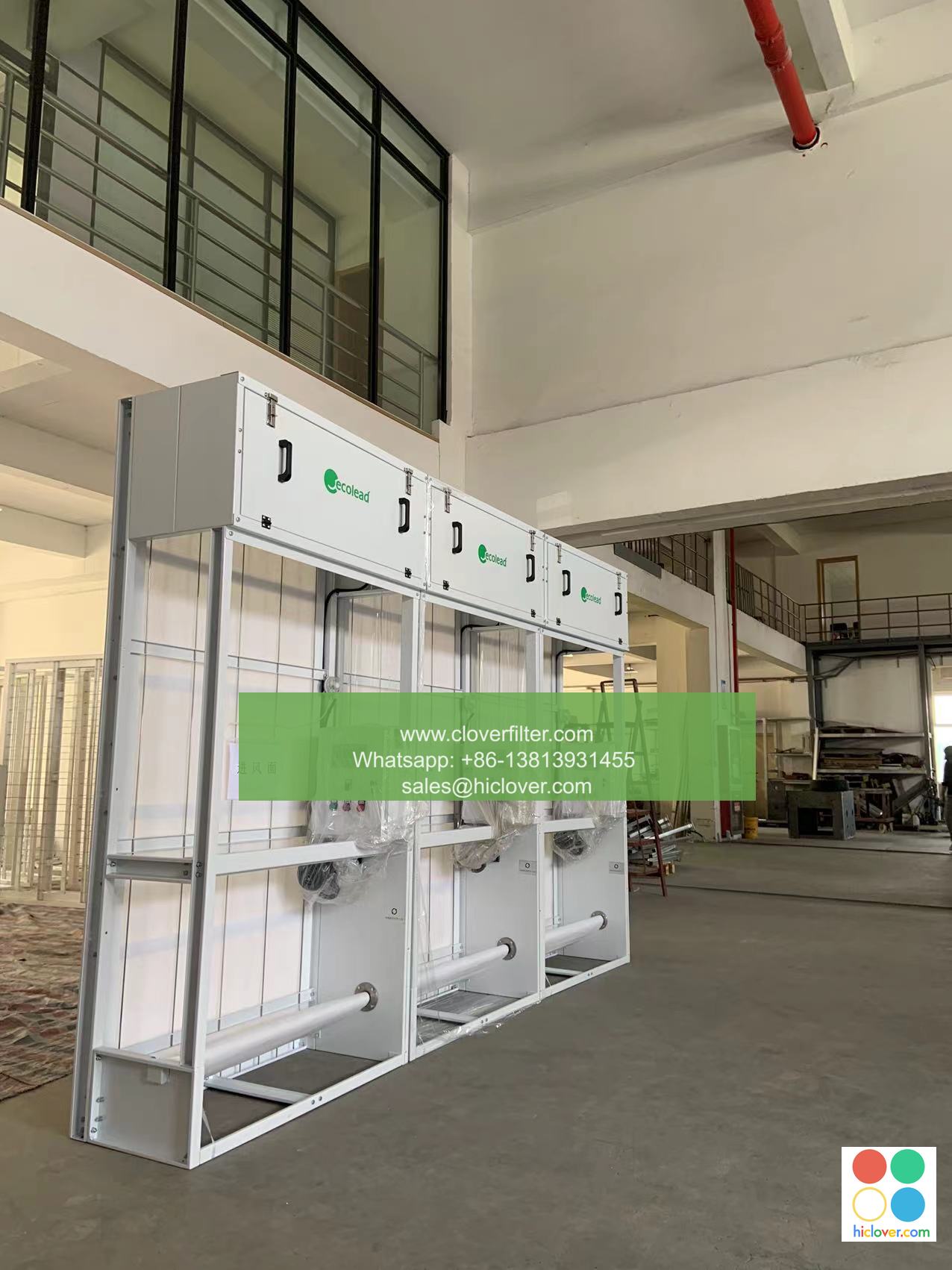
In the world of trade lane cargo management, efficient logistics and cargo handling are paramount. One critical yet often overlooked aspect of this process is effective dust control. Dust can hinder cargo quality, compromise equipment performance, and impact overall supply chain efficiency. This article explores the importance of roll dust filters in trade lane cargo management, highlighting their functionalities and various application areas.
Understanding Dust Control in Trade Lane Cargo Management

Dust control refers to strategies and technologies employed to minimise airborne particulates during cargo handling, storage, and transportation. In trade lanes, where goods traverse vast distances, maintaining dust control is essential. Not only does dust pose challenges for the integrity of products, but it can also lead to increased maintenance costs, operational delays, and compliance issues.
The Role of Roll Dust Filters
Roll dust filters are an effective solution for combatting dust in various environments, particularly in trade lane cargo management. These filters are designed to capture and contain dust particles, preventing them from contaminating the cargo and surrounding atmosphere. Their application extends to multiple facets of cargo management:
-
Storage Facilities: In warehouses and storage units, roll dust filters help maintain air quality and protect stored goods from dust accumulation, particularly for sensitive products such as food items, electronics, and pharmaceuticals.
-
Loading and Unloading Zones: During the loading and unloading of containers, dust control is vital. Roll dust filters can be integrated into conveyor systems or used in portable dust collection units to minimise airborne particles.
-
Transport Vehicles: Whether by truck, ship, or rail, dust can infiltrate transport vehicles carrying cargo. Roll dust filters can be installed in the ventilation systems of these vehicles to ensure clean air circulation and protect the contents from contamination.
-
Manufacturing Facilities: In factories where raw materials are processed, dust can be a significant issue. Implementing roll dust filters can improve air quality, reduce equipment wear, and ensure compliance with health and safety regulations.
-
Enhanced Cargo Integrity: By preventing dust contamination, the filters ensure that cargo remains in its original condition, preserving quality and safety.
-
Reduced Maintenance Costs: With less dust inside and outside equipment, businesses can reduce wear and tear on machinery, thereby decreasing maintenance needs and extending the lifespan of equipment.
-
Improved Workplace Safety: A cleaner working environment translates to better air quality, reducing health risks associated with dust inhalation for workers in warehouses and transportation sectors.
-
Regulatory Compliance: Many industries are subject to strict regulations regarding air quality and contamination control. Using roll dust filters helps businesses comply with these regulations, avoiding potential fines or legal issues.
- Food and Beverage: Ensuring hygiene and product quality in food production and storage.
- Pharmaceuticals: Protecting sensitive medications from contamination during storage and transport.
- Electronics: Preventing dust from damaging electronic components during the manufacturing and shipping processes.
- Construction: Managing dust in sites where heavy materials are handled, thereby maintaining safety and compliance.

Benefits of Using Roll Dust Filters
The implementation of roll dust filters offers numerous advantages:
Key Applications of Roll Dust Filters
Roll dust filters find applications in various industries and sectors, including but not limited to:
Conclusion
In trade lane cargo management, dust control is not merely an operational requirement but a vital component of ensuring cargo quality, enhancing workplace safety, and maintaining compliance with industry regulations. Roll dust filters serve as an indispensable solution in this context, providing effective dust trapping across various application areas. As global trade continues to expand, investing in efficient dust control measures, including roll dust filters, will become increasingly critical for companies looking to optimise their supply chain operations and maintain their competitive edge.
It looks like you input “Prompt” without any specific context or request. Could you please provide more details or clarify what you’re looking for? Are you looking for writing prompts, a specific type of content, or something else? Let me know how I can assist you!
