Automatic Roll Air Filters in Pharmaceutical Cleanrooms: A Comparison of Different Filter Media and Technologies
Introduction
In the pharmaceutical industry, maintaining high air quality standards in cleanrooms is crucial to ensure product safety and efficacy. One of the primary components of cleanroom air filtration systems is automatic roll air filters, which significantly contribute to maintaining a sterile environment. This article explores various filter media and technologies used in automatic roll air filters in pharmaceutical cleanrooms.

Understanding Automatic Roll Air Filters
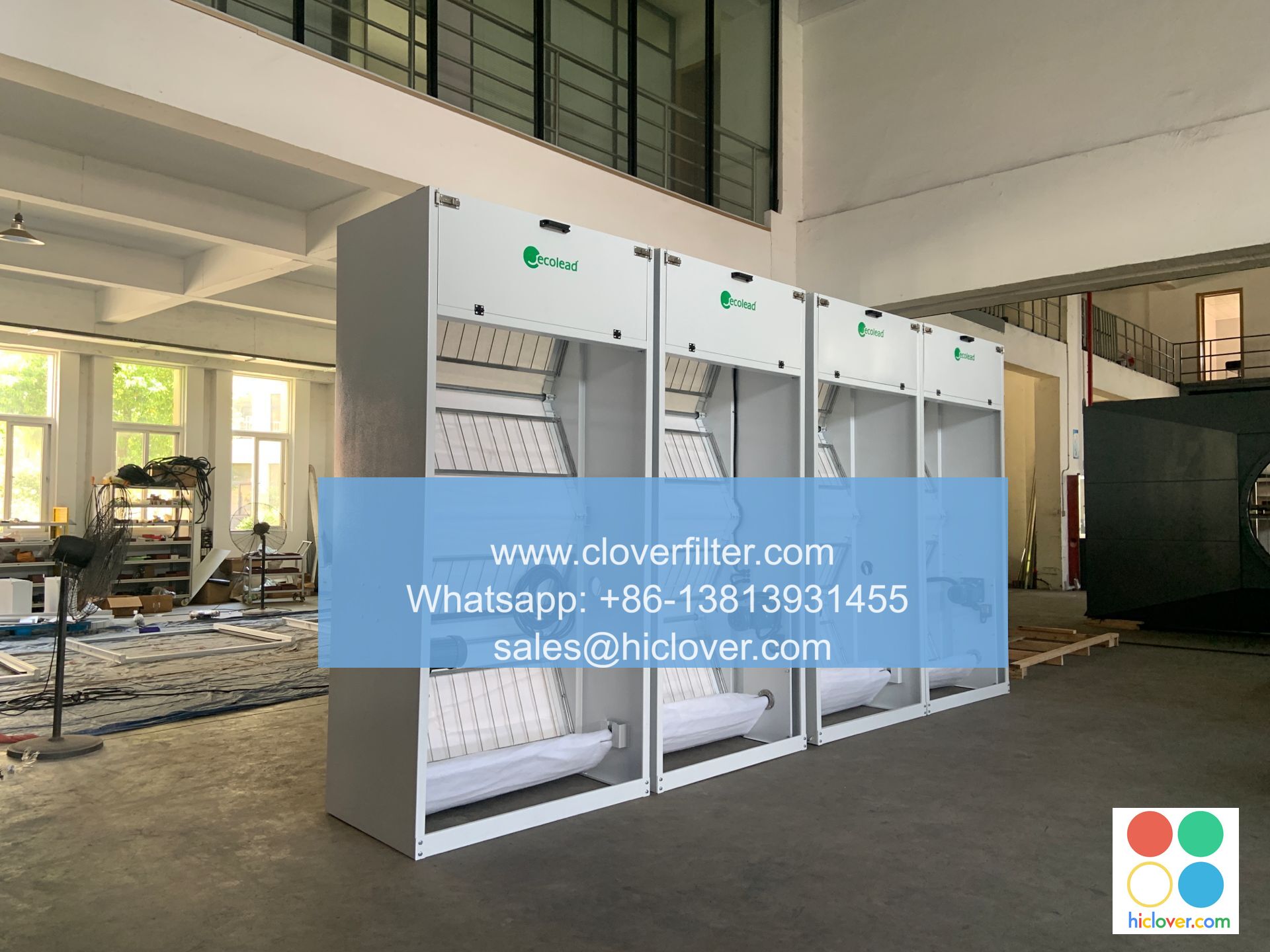
Automatic roll air filters are an innovation designed for environments requiring stringent air quality standards. These filters streamline the filtration process by utilizing a roll mechanism that allows for continuous filtering without the need for frequent manual replacements. This contributes to operational efficiency and reduces labor costs.
Types of Filter Media
Several different filter media are employed in automatic roll air filters, each offering distinct benefits and drawbacks. The most common types include:
- HEPA Filters: High-efficiency particulate air (HEPA) filters are designed to trap at least 99.97% of particles 0.3 microns or larger. They are the gold standard for cleanrooms handling pharmaceuticals and biologics.
- ULPA Filters: Ultra-low penetration air (ULPA) filters provide even higher standards of filtration than HEPA filters, capturing 99.999% of particles. However, they are often more expensive and require higher energy consumption.
- Electrostatic Filters: Utilizing electrostatic charges, these filters can attract and capture particles without the need for dense media, offering a lower resistance to airflow and energy efficiency.
- Activated Carbon Filters: These filters are geared more towards odor and gas removal rather than particulate filtration. They are often used in combination with HEPA or ULPA filters to ensure comprehensive air quality management.
- Smart Monitoring Systems: Many modern roll air filters come with integrated sensors that monitor filter efficiency and air quality levels. These systems can alert cleanroom operators when filters need to be replaced, ensuring that air quality standards are maintained.
- Automatic Feed Systems: Some filters employ automated feeds that adjust the filter roll as needed, minimizing waste and ensuring optimal use of filter media.
- Energy Recovery Technology: This technology helps to maximize energy efficiency by recovering energy from exhaust air, thus reducing the overall operational costs of the ventilation system.
Technologies Utilized
Different technologies enhance the performance of automatic roll air filters, ensuring that they meet the specific needs of pharmaceutical cleanrooms:
Conclusion
Automatic roll air filters play an essential role in maintaining cleanroom environments within the pharmaceutical industry. The selection of appropriate filter media and technologies can significantly impact air quality, operational efficiency, and cost-effectiveness. Pharmaceutical manufacturers must weigh the advantages and disadvantages of each type of filter and technology to find the right fit for their cleanroom requirements.
FAQs
What is the lifespan of automatic roll air filters?
The lifespan of these filters varies depending on the type of media used and the specific cleanroom conditions. Typically, HEPA filters last longer than activated carbon filters, often requiring replacement every 6 to 12 months.
Can automatic roll air filters be used in non-pharmaceutical cleanrooms?
Yes, while they are designed primarily for pharmaceutical applications, automatic roll air filters can also be suitable for other cleanroom environments, such as semiconductor manufacturing and biotechnology labs.
How often should the filters be inspected?
Regular inspections are recommended—ideally, monthly—to confirm that the filters are performing adequately. Smart monitoring systems can automate this process by providing real-time feedback.
Are automatic roll air filters energy efficient?
Yes, many modern systems incorporate energy recovery technology and low-resistance media to optimize energy efficiency, which can lead to significant cost savings over time.
