Data Center Cleanroom Contamination: The Consequences of Inadequate Automatic Roll Air Filtration in Markham Data Centers
Understanding Data Center Cleanroom Contamination
In today’s digital age, data centers act as the backbone of our technological infrastructure, storing, managing, and processing vast amounts of data. These facilities house sensitive equipment that is pivotal for maintaining functionality. Therefore, maintaining a cleanroom environment is crucial in mitigating contamination that can cause severe failures or even catastrophic losses.
Contaminants such as dust, dirt, and microbial life can compromise the integrity of the equipment housed within a data center. Automated roll air filtration systems are intended to maintain optimal air quality by removing airborne particles, but inadequate filtration can lead to significant consequences for data center operations, especially in locations like Markham, Ontario.
The Role of Automatic Roll Air Filtration
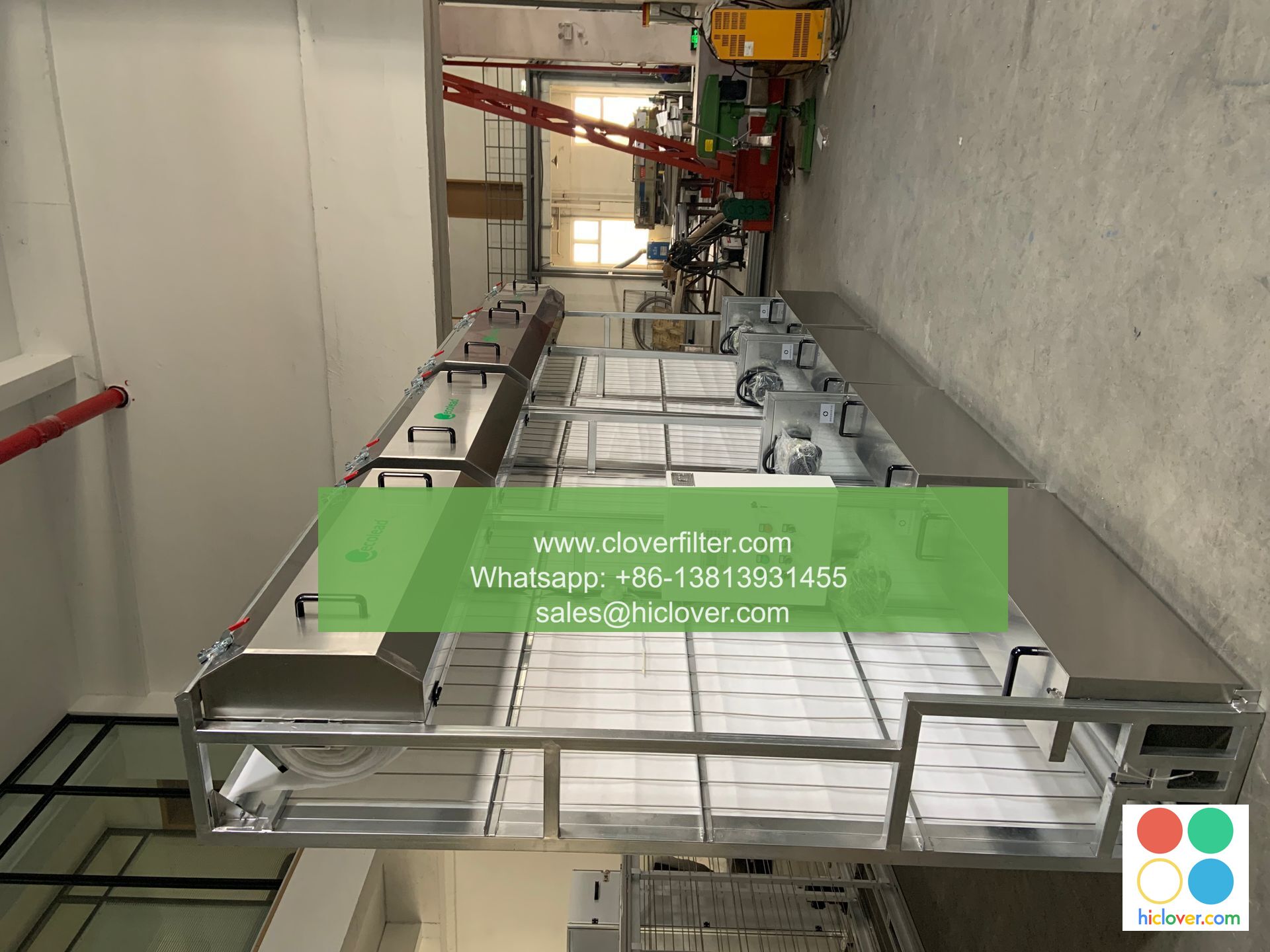
Automatic roll air filtration systems serve as an essential line of defense against airborne contaminants. These systems are designed to continuously cycle air through various filters to capture pollutants. Inadequate filtration can result from several factors, including outdated technology, insufficient maintenance, and improper system configuration. Unfortunately, overlooking these components can compromise a data center’s cleanroom status and have dire repercussions.

Consequences of Inadequate Filtration
The consequences of subpar air filtration in data centers are multifaceted, impacting everything from operational efficiency to financial performance. Some of the key repercussions include:
- Equipment Failure: Dust build-up can lead to overheating of servers and other hardware. When heat sinks and vents become clogged, cooling systems have to work harder, which can ultimately lead to component failure.
- Increased Maintenance Costs: When equipment fails due to contamination, the costs for repair and replacement skyrocket. Regular maintenance becomes more frequent, increasing operational expenditures.
- Downtime and Data Loss: System failures can lead to operational downtime, disrupting services and potentially leading to severe data loss. These outages can harm a company’s reputation and result in a loss of revenue.
- Regulatory Compliance Issues: Data centers must adhere to specific industry standards regarding air quality. Inadequate air filtration can result in non-compliance, opening businesses up to legal repercussions and potential fines.
Conclusion
The cleanliness of a data center environment is not just a matter of aesthetics; it is critical for the reliable operation of complex systems. In Markham data centers, inadequate automatic roll air filtration can lead to diverse consequences, including equipment failure, increased maintenance costs, downtime, and possible regulatory compliance issues. Investing in quality air filtration systems, conducting regular maintenance, and ensuring that systems are configured correctly are crucial steps for protecting not just the facility but also the integrity of the data and services it supports. The ramifications of neglecting air quality can jeopardize profitability and functionality, making proactive measures essential.
FAQs
- What is a cleanroom in the context of a data center?
- A cleanroom is a controlled environment that maintains a low level of environmental pollutants such as dust, airborne microbes, and chemical vapors, making it crucial for the performance of sensitive electronic equipment.
- How often should air filtration systems in data centers be maintained?
- Regular maintenance is recommended typically every three to six months, depending on usage and environmental conditions, to ensure optimal performance.
- What types of contaminants affect data centers?
- Common contaminants that affect data centers include dust particles, mold spores, chemical vapors, and static electricity, all of which can impair equipment performance.
- What are the signs of inadequate air filtration?
- Signs may include increased overheating of servers, visible dust accumulation on equipment, frequent maintenance checks, and reductions in operational efficiency.
